Logo
Get Estimate

Frozen Pipe Detection and Inspection in Pennsylvania

Find the freeze point before a thaw becomes a leak


Frozen Pipe Detection and Inspection in Pennsylvania helps homeowners, landlords, and property managers find blocked or damaged plumbing before thawing turns a cold pipe into a flood. Our team traces reduced water flow, checks vulnerable pipe runs, and identifies signs of cracking or leakage. If a fixture has stopped flowing or a wall feels unusually cold, a focused inspection gives you a clear next step.

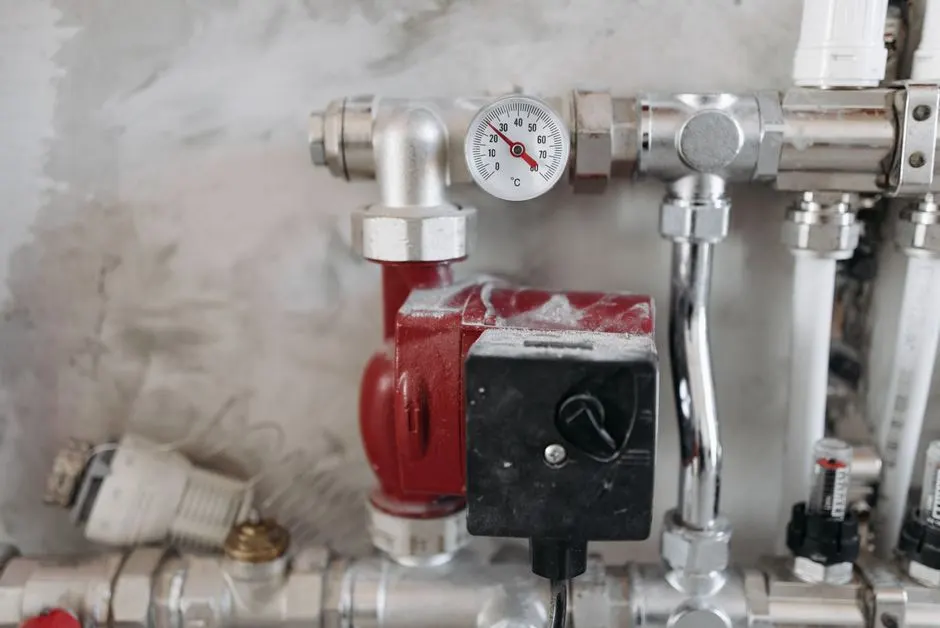
Close-up view of an industrial plumbing system featuring a pressure gauge and steel pipes.
Licensed Licensed & Bonded
Fully Insured Insured & Bonded
24/7 Emergency Same-Day Response
Warranty Backed Workmanship Guaranteed

What the Inspection Covers

Frozen Pipe Detection and Inspection covers symptom review, line tracing, temperature and moisture checks, and a visual assessment of accessible pipe and fittings. We explain any confirmed damage and recommend the next practical step. If you need thawing, pipe replacement, extensive wall access, or water-damage drying, we identify that need and discuss the related work separately rather than implying it is part of every inspection.

Symptom and Fixture Review

We record which taps, toilets, or appliances have reduced or interrupted water flow and ask when symptoms began. You can point out rooms that felt unusually cold or areas with past freezing. This information guides the line trace and helps us check more than the one fixture showing the problem.
Accessible Pipe Tracing

We follow visible supply lines through utility rooms, basements, cabinets, and other accessible areas. A locator helps track concealed routes where conditions allow. We compare the known pipe path with the affected fixture so inspection focuses on the branch most likely to contain ice or damage.

Temperature and Moisture Checks

We compare surface temperatures and use a Moisture meter around suspicious finishes, joints, and floors. Readings help us distinguish a cold area from a wet one and identify where a hidden leak deserves closer attention. We interpret measurements alongside visual evidence and symptoms.

Damage and Leak Assessment

We look for cracked pipe walls, swollen sections, corrosion, pin-hole leaks, and split fittings. If thawing is underway, we watch the line for seepage as flow returns. The findings help determine whether the pipe can remain in service or needs repair before normal use.

Findings and Next Steps

We show you the suspected freeze location, explain what the inspection confirms, and outline the next action. If further work is needed, we discuss thawing, repair, pressure testing, or access. You leave knowing which area matters and why, not just that a pipe felt cold.

Frozen Pipe Detection and Inspection in Pennsylvania


Frozen Pipe Detection and Inspection in Pennsylvania is a plumbing diagnostic service that locates frozen or freeze-damaged water lines before thawing causes leaks or flooding. We start with the affected fixtures and exposed pipe runs, then trace supply lines through basements, crawlspaces, cabinets, and wall cavities. An Infrared thermal camera and Moisture meter help us identify temperature changes and damp building materials without opening walls unnecessarily. We also check nearby Pipe fittings for cracks and look for reduced flow, pin-hole leaks, or a split that could release water once ice clears.

Pennsylvania homes face different freeze risks: older stone or brick buildings, additions with exposed plumbing, unheated basements, and pipes routed along exterior walls all need careful checks as temperatures fall in October and through winter. Our frozen pipe diagnostic inspection service is useful when one tap loses flow, a water service line stops supplying the home, or a thaw reveals damp drywall. If you need a plumber to locate frozen pipes inside walls Pennsylvania homeowners can call us to trace the line and explain the findings.

What to Expect During Inspection

Frozen Pipe Detection and Inspection in Pennsylvania follows a clear sequence: identify the symptoms, trace the line, check for damage, and review the findings with you. A straightforward inspection often takes 1 to 3 hours; concealed routes or multiple affected areas take longer. We keep you informed as each check narrows the problem.

01

Schedule

Call or book online — a real human picks up and confirms a 2-hour arrival window.

02

Diagnose

Licensed tech inspects on-site, then walks you through the cause and your options.

03

Fix

The job is completed to code and done right the first time — no shortcuts, no surprises.

04

Guarantee

Every job backed by a written workmanship warranty — and we stand behind it.

Tools and Inspection Methods

Tools & Equipment

Infrared thermal camera

We compare surface temperature patterns along accessible pipe routes and nearby finishes. The camera helps identify areas for closer checking, but we confirm its readings with symptoms and other inspection evidence.

Acoustic leak detector

We listen for leak sounds around suspect plumbing when water is moving or pressure conditions allow. Acoustic clues can help separate a leaking line from a simple freeze blockage.

Electronic pipe locator

We use line-locating equipment to trace concealed supply routes where access and pipe material support a reliable signal. Knowing the route helps us focus inspection and avoid broad exploratory openings.

Moisture meter

We check drywall, flooring, and nearby materials for elevated moisture around a suspected pipe. Readings help distinguish a cold surface from water intrusion and guide follow-up checks.

RIDGID Inspection camera

Where an existing access point is available, an Inspection camera gives us a closer look into a cavity or pipe route. The visual information supports a more targeted diagnosis and repair plan.

Pipe thawing machine

When inspection confirms a frozen line and thawing is appropriate, a Pipe thawing machine applies controlled heat through a suitable method. We monitor progress and check for leaks as the blockage clears.

Methods & Standards

Symptom-to-source tracing

We start at the affected fixture and follow its supply route toward the source, checking branch connections and exposed runs. This avoids assuming that the coldest room contains the freeze point. We compare the plumbing path with which fixtures still work, then prioritize the sections that match the symptoms.

Thermal and moisture comparison

We compare readings across the suspected pipe area and nearby unaffected surfaces, then check materials for moisture. A single reading is not treated as a final diagnosis. The pattern, visible condition, and customer-reported symptoms together help determine whether we are dealing with a frozen line, a leak, or both.

Code-aware repair handoff

When inspection reveals damaged plumbing, we consider applicable Pennsylvania plumbing contractor registration, municipal permit requirements, the International Plumbing Code, and the Uniform Construction Code as adopted locally. Repair materials and fittings must suit the existing system and applicable standards. We explain when the next stage involves repair, testing, or permit review.

Controlled thaw and leak watch

We use a suitable controlled heat method only after assessing the pipe material and access. As ice clears, we watch the line and nearby fittings for seepage, then confirm that flow has returned. This matters because a crack can remain sealed by ice and become visible only after water moves again.

When to Schedule an Inspection

01

A bathroom tap stops flowing during a sharp overnight temperature drop, but other fixtures still work.

What we do: We trace that fixture's supply branch and inspect likely cold runs, including pipes near exterior walls and unheated spaces. Thermal and moisture checks help narrow the freeze point. We also inspect nearby joints before recommending controlled thawing, so a hidden split is not ignored when flow returns.

→ You learn whether the problem is isolated to one branch and which pipe section needs attention before normal water use resumes.

02

A basement ceiling shows a fresh stain shortly after a frozen line begins to thaw.

What we do: We check the area above the stain, follow accessible plumbing, and use moisture readings to distinguish an active leak from residual dampness. If a pipe is still frozen, we monitor it as it clears. We identify the source before repair or drying work proceeds.

→ You get a focused leak location and a clearer plan to protect the ceiling, framing, and nearby stored items.

03

A rental property has low flow in several units connected to a shared plumbing route.

What we do: We review the affected fixtures with the property manager, trace the shared line, and inspect accessible mechanical and common areas. We document which branches show symptoms and check fittings for leaks. The inspection helps organize access and prioritize the line affecting the most occupants.

→ You can coordinate repairs around a defined affected route instead of sending maintenance to unrelated fixtures.

04

A homeowner finds a cold, damp patch near a kitchen cabinet after a hard freeze.

What we do: We inspect the cabinet supply, nearby wall route, and floor edge for temperature changes and moisture. A visual check of connections helps distinguish condensation from a pipe leak. If the source is concealed, we narrow the suspected location before recommending an access point.

→ You learn whether the damp patch is tied to frozen plumbing and what needs to happen to stop further moisture.

How Inspections Work Across Pennsylvania

Frozen Pipe Detection and Inspection in Pennsylvania must account for sharp winter cold, wind exposure, freeze-thaw cycles, and homes with plumbing routed through older additions or unfinished spaces. In eastern communities, attached homes and finished basements can conceal supply branches behind walls; western and higher-elevation areas can see prolonged cold that challenges pipes in garages, crawlspaces, and exterior walls. Our plumbing inspection for frozen pipes Pennsylvania service starts with the building layout, not a one-size-fits-all checklist. We trace the affected branch, use thermal and moisture evidence, and check accessible fittings before recommending thawing or repair. Homes with Copper tubing, PEX tubing, or Galvanized steel pipe each require attention to different joints and visible warning signs. Where repair follows diagnosis, we consider applicable municipal permits and inspections and the Pennsylvania Uniform Construction Code. If you need a frozen pipe detection and inspection service in Pennsylvania, tell us which fixtures lost flow, whether the issue is recurring, and where the water line enters the building; those details help us prepare for the site.

Neighborhoods We Serve

  • Older downtown blocks

    Closely spaced homes and finished interiors can hide supply lines behind plaster or cabinetry. We trace the route and check for damp finishes before recommending an access point.

  • Ridge and hillside homes

    Exposed foundations, wind-facing walls, and long utility runs can leave plumbing vulnerable. We inspect the cold side of the building and follow the line toward the affected fixtures.

  • Suburban additions

    Converted garages, additions, and remodeled kitchens sometimes route pipes through unheated cavities. We compare original and newer plumbing routes when one branch loses flow.

  • Rural properties

    Longer service-line runs and outbuildings can complicate symptoms. We identify whether the issue is inside the home or closer to the water entry before repair planning.

Local Conditions We Plan For

  • Repeated overnight freezes followed by daytime thawing

    Temperature swings can move ice through a line and reveal a crack hours after the initial blockage. We inspect during the thaw as well as the cold period when possible, checking joints and finishes for new seepage.

  • Unheated basements, crawlspaces, and attached garages

    These spaces can expose supply pipes to cold air and drafts, especially where insulation is incomplete or disturbed. We trace the exposed route, check nearby fittings, and identify sections that need protection after the immediate diagnosis.

  • Concealed plumbing in older or remodeled buildings

    Mixed pipe materials and undocumented alterations can make a supply route harder to follow. We use fixture symptoms and locating tools to narrow the route, then confirm the suspected area with thermal and moisture checks.

Kitchen Branch Freeze Located

Before

A homeowner in Reading lost water at the kitchen sink after a cold night. Other fixtures worked, the basement pipes looked dry, and the supply disappeared behind finished cabinets. Without a clear route, the homeowner was concerned that opening the wall would damage the backsplash and still miss the frozen section.

After

We traced the branch behind the cabinet, checked the wall and fittings, and narrowed the freeze point to one accessible section. The line thawed under controlled conditions, and we watched it for leakage as flow returned. The homeowner had a defined repair location and no need for broad exploratory cutting.

Maintenance: Keep cabinet doors open during severe cold if the plumbing sits against an exterior wall, and seal obvious drafts around pipe penetrations. Check the sink for normal flow after a freeze and call if pressure drops again.

Before

A property manager in Chester received reports of low flow in two units and a small ceiling stain in a common area. The shared line passed above a finished ceiling, so the source was unclear. A leak could have spread before anyone identified which branch was affected.

After

We followed the shared supply route, checked accessible joints, and found moisture near a fitting as the line thawed. The inspection narrowed the affected section and connected the stain to the plumbing issue. Repair could focus on the fitting rather than opening the entire ceiling run.

Maintenance: Property staff should record which units lose flow and note the timing of cold-weather symptoms. A quick report of a new stain or dripping sound helps us compare the affected branches and catch changes before damage spreads.

Before

A home near Johnstown had a water line freeze more than once in a detached garage. Each time, water returned after warming, but the owner did not know whether the line had developed a crack or why it kept freezing. The exposed route and fittings needed a closer check.

After

We traced the line, inspected the pipe and fittings, and found no active leak during the visit. The recurring exposure was clear, so the owner received a plan to protect the vulnerable run and watch for reduced flow. A follow-up check confirmed normal service after the cold period.

Maintenance: Keep the garage temperature and pipe route in view during cold snaps, and inspect insulation for gaps or damage before winter. If flow slows or a fitting shows moisture, stop using the line and arrange another inspection.

Problems a Frozen Pipe Inspection Solves

A frozen line can look harmless until ice clears and water begins escaping behind a wall or under a floor. Frozen Pipe Detection and Inspection helps distinguish a temporary blockage from a damaged pipe and identifies where attention is needed. We focus on the symptom, the route, and evidence of moisture or structural change.

Problem

One or more fixtures lose water flow during a cold snap

An untreated frozen section can expand, crack a pipe, and release water when temperatures rise, damaging cabinets, ceilings, insulation, and stored belongings.

Our Fix

We trace the affected branch from the fixture toward the supply, check exposed and accessible concealed sections, and locate the likely ice blockage. We then inspect nearby joints for damage and explain whether controlled thawing or repair is needed before the line returns to normal use.

Problem

A wall or cabinet feels cold but the pipe is hidden

Guessing can lead to unnecessary wall cuts, while a concealed split may stay unnoticed until water stains, odors, or soft drywall appear.

Our Fix

We map the plumbing route with an Electronic pipe locator and compare thermal and moisture readings around the suspected area. When access is available, an Inspection camera provides a closer view. We use the combined evidence to narrow the next inspection point and reduce avoidable disruption.

Problem

Water returns after thawing, followed by dampness

A thawed line can leak through a crack or corroded fitting, allowing water to travel inside a wall or beneath flooring before the damage is visible.

Our Fix

We inspect the thawed section and adjacent fittings, check affected finishes for moisture, and identify whether seepage continues under normal flow. If we confirm a leak, we locate the failed part and explain the appropriate repair and follow-up test.

Problem

The same pipe freezes repeatedly each winter

Repeated freezing points to an exposure or routing issue; another freeze can worsen existing cracks and interrupt water service again during the next cold period.

Our Fix

We inspect the recurring section, note nearby drafts and insulation gaps, and assess pipe material and access. Where appropriate, we discuss protective options such as Pipe insulation or Heat-trace cable and check that any proposed installation suits the pipe and local requirements.

Know the Risk, Limit the Damage

Know the Risk, Limit the Damage

A precise inspection separates a blocked line from a ruptured one, so you are not guessing at the next step. We check the likely freeze path, document visible warning signs, and explain whether thawing, repair, or further leak testing is needed. You get practical findings tied to your plumbing layout.

  • Find the Freeze Point

    We trace interrupted flow from the affected fixture toward the supply source, checking exposed pipe, exterior-wall runs, and concealed sections. That narrows the repair area and reduces exploratory opening. A Pennsylvania frozen pipe detection and inspection visit focuses on the actual line path rather than treating every cold room as the same problem.

  • Catch Damage Before Thawing

    Ice can hide a crack until water pressure returns. We inspect accessible pipe surfaces, joints, and nearby finishes for swelling, staining, and moisture, then identify the sections that need attention before thawing. This helps limit water damage from thawing or ruptured pipes, especially above finished ceilings and inside cabinets.

  • Protect Hidden Plumbing

    An Inspection camera and electronic locating methods help us examine difficult routes while limiting unnecessary cuts. We follow the line through accessible openings and use readings to choose the most useful inspection point. You receive a practical explanation of what is confirmed, what is suspected, and what needs a repair test.

  • Plan the Right Next Step

    Once we identify the affected section, we explain whether controlled thawing, a repair clamp, or replacement of a damaged fitting is appropriate. A professional inspection for frozen residential plumbing gives you a defined path forward instead of repeated attempts to warm the wrong pipe or restore flow without checking for leaks.

Code-Aware Work Standards

Licensed & Certified

  • Pennsylvania plumbing contractor registration where applicable — issued by Pennsylvania state and applicable municipal authorities
  • Uniform Construction Code compliance — issued by Pennsylvania Department of Labor and Industry and local code officials
  • International Plumbing Code application where adopted — issued by International Code Council
  • ASSE plumbing product standards — issued by ASSE International

Verified Reviews

Customer feedback ★★★★★4.9

The technician found the frozen branch behind our kitchen cabinet and checked the fitting while it thawed. We appreciated that he explained what the thermal readings showed and did not recommend opening a larger section than necessary. The line was checked for leaks before the visit ended.

Customer feedback ★★★★★4.8

Our basement ceiling had a stain after a freeze, and we could not tell whether the pipe was still leaking. The inspection located moisture around a shared line and identified the fitting that needed repair. We had a clear explanation of the source and the next step.

Customer feedback ★★★★★5.0

A garage water line froze again, so we wanted to know whether it had cracked. The team traced the route, inspected the visible joints, and checked flow after thawing. They also pointed out where the exposure was greatest, which gave us a practical prevention plan.

Practical Plumbing Diagnostic Expertise

Frozen Pipe Detection and Inspection requires more than finding a cold patch; the technician must understand how pipe material, routing, pressure, and building conditions affect the risk. We assess Copper tubing, PEX tubing, CPVC pipe, and older metal lines differently, then match the inspection method to access and symptoms. Our work follows applicable Pennsylvania plumbing contractor registration requirements, municipal permits and inspections, and the International Plumbing Code and Uniform Construction Code where adopted. We explain what the equipment shows and avoid opening finished surfaces unless the evidence supports that step.

  • We assess the full affected branch, not just the fixture with no flow, to identify secondary freeze points and vulnerable fittings.
  • Our technicians use thermal, moisture, visual, and acoustic clues together so a single instrument reading does not decide the diagnosis.
  • We account for pipe material and joint type before recommending thawing, testing, a clamp, or replacement.
  • For repair work, we consider municipal plumbing permits and inspections and applicable Pennsylvania code requirements.
  • We check for active seepage after thawing because a crack can stay hidden while ice blocks water from escaping.
Get Started Today
Practical Plumbing Diagnostic Expertise

Cities We Serve Across Pennsylvania

Our statewide coverage brings Frozen Pipe Detection and Inspection to city homes, suburban properties, and smaller communities with varied building layouts and winter exposure. We plan each visit around the reported fixtures, pipe access, and signs of moisture instead of assuming every freeze behaves alike. Pennsylvania frozen pipe detection and inspection can include tracing a concealed branch, checking a water service line, or confirming a leak after thawing. The locations below are part of our service area.

Reading

In Reading, we trace lost flow through finished kitchens, basements, and older plumbing routes, then check nearby fittings for seepage as a frozen line thaws.

Chester

For Chester properties, we inspect shared lines and concealed branches carefully, especially where a small ceiling stain may point to a freeze-related leak above.

Chambersburg

In Chambersburg, we assess exposed basement and garage runs as well as interior fixtures, matching the inspection to the route that lost water flow.

Johnstown

Johnstown inspections focus on freeze-prone runs in unheated spaces and hillside homes, with checks for cracked fittings that may leak after thawing.

Indiana

In Indiana, we trace affected supply branches from the fixture back toward the water entry and inspect accessible pipe for reduced flow or damage.

Pottsville

Pottsville homeowners can have us check cold basement routes, wall cavities, and fittings when a tap stops flowing or dampness appears after a freeze.

Elizabethtown

In Elizabethtown, we inspect both visible plumbing and concealed branches, using moisture and temperature clues to narrow the affected section before repair.

Broomall

Broomall service includes tracing plumbing in finished suburban homes, checking cabinet supply lines, and looking for hidden leaks after water flow returns.

Uniontown

In Uniontown, we check exposed utility-room lines and cold exterior-wall routes, then monitor fittings as ice clears to catch damage early.

East York

East York inspections follow the affected fixture branch through basements and remodeled spaces, helping distinguish a frozen pipe from a separate leak.

Aliquippa

For Aliquippa homes, we trace interrupted flow and inspect accessible joints, using the building layout to target concealed routes and likely freeze points.

Folsom

In Folsom, we assess cabinet and basement plumbing when cold weather stops a fixture, then check the line for moisture or a split after thawing.

Hatboro

Hatboro inspections cover exposed supply lines, exterior-wall branches, and finished areas where a thaw-related leak could remain hidden behind surfaces.

Latrobe

In Latrobe, we check vulnerable plumbing in garages, basements, and additions, then confirm whether restored water flow is accompanied by a leak.

Ellwood City

Ellwood City homeowners can have us trace a stalled water line, inspect joints and fittings, and identify the next step before normal use resumes.

Frozen Pipe Inspection Questions

Real answers to the questions we hear most often from local homeowners and property managers.

How do plumbers detect frozen pipes in Pennsylvania homes?
Plumbers trace reduced or interrupted water flow, inspect accessible pipe runs, and compare temperature and moisture readings to locate likely freeze points. We may use an Infrared thermal camera, Electronic pipe locator, or Acoustic leak detector depending on access and symptoms. We also check fittings and nearby finishes for damage. A cold reading alone does not confirm a frozen pipe, so we compare several clues before recommending thawing or repair.
What does a frozen pipe inspection include?
A frozen pipe inspection includes symptom review, supply-line tracing, temperature and moisture checks, and a visual search for cracks, bulges, and leaking fittings. We inspect accessible areas first and use camera or locating equipment when a route is concealed. A standard visit often takes 1 to 3 hours, depending on the number of affected lines. We explain confirmed findings and the practical next step before you decide how to proceed.
Can a plumber locate a frozen pipe behind a wall?
Yes, we can often narrow a concealed freeze point using line tracing, thermal patterns, and moisture readings before opening the wall. An Inspection camera may help where an existing access point is available. No tool guarantees an exact result through every wall material, so we confirm findings from multiple clues. Our goal is to identify the smallest useful access area and check for leaks as the pipe thaws.
How much does frozen pipe detection cost in Pennsylvania?
A focused inspection commonly costs $180 to $450 in 2026, with complex concealed-line investigations reaching $850 or more. Price depends on travel, the number of affected branches, access difficulty, and whether moisture or pressure testing is needed. Repair and thawing are separate work when required. We explain the inspection price upfront, then show you what the findings mean before additional work begins.

Services That Follow the Diagnosis

Emergency Frozen Pipe Repair

When inspection finds a split or leaking line, emergency repair addresses the immediate failure. We isolate the affected section, make the repair, and test the line so you know whether water can safely return to service. This is especially important when a thaw reveals active leakage.

View Emergency Frozen Pipe Repair

Frozen Pipe Thawing

Inspection identifies where ice is blocking flow; controlled thawing clears the blockage without applying an open flame. We select a suitable method for the pipe material and access, then watch for seepage as water begins moving. That final check can reveal cracks that were hidden by ice.

View Frozen Pipe Thawing

Burst Pipe Repair

A burst pipe needs prompt isolation and repair after the damaged area is located. We use inspection findings to focus the repair on the failed section, check adjacent fittings, and test restored plumbing. This avoids treating the visible water stain while leaving the actual break behind.

View Burst Pipe Repair

Frozen Pipe Leak Repair

A frozen line can develop a pin-hole leak or split that becomes obvious only during thawing. We inspect the affected route, locate the leak, and repair the damaged pipe or fitting. Follow-up checks confirm the line holds under normal flow and help identify other weak points.

View Frozen Pipe Leak Repair

Frozen Water Line Repair

When a water service line freezes or cracks, inspection helps distinguish a blockage from a damaged underground or exposed section. We trace symptoms, assess accessible connections, and explain whether repair or replacement is the next step. The goal is to restore dependable water supply and verify the line.

View Frozen Water Line Repair

Frozen Plumbing Pipe Repair

Frozen plumbing pipe repair follows diagnosis when a pipe, joint, or fitting cannot safely return to service. We use the inspection location to limit unnecessary access work, replace damaged material, and test the repaired section. Pipe type and local code requirements guide the repair method.

View Frozen Plumbing Pipe Repair

Book Frozen Pipe Detection and Inspection in Pennsylvania

A lost-flow fixture, cold wall, or damp patch deserves a direct check before thawing exposes a split. Call our team to arrange Frozen Pipe Detection and Inspection in Pennsylvania and get clear findings with upfront pricing.

Call Now Book Inspection

Contact Our Plumbing Team

If your water has stopped, a pipe is leaking, or thawing has exposed a crack, call Pennsylvania Frozen Pipe Pros at +12232730019. Our phone line is open 24/7 for urgent frozen and burst pipe calls across Pennsylvania. Tell us what you see and where the shutoff is; we will help you take the next safe step and arrange service.

Or call us right now at +12232730019 — we answer.

Pennsylvania Frozen Pipe Pros


  • Phone

    +12232730019
  • Address

    Pennsylvania

  • Hours

    Mon–Fri: 7AM – 7PM
    Sat: 8AM – 4PM
    Sun: Emergency Only
    24/7 Emergency Available

Call +12232730019 Get Quote
Call Quote