
Logo
Get Estimate

Pipe Leak Detection in Pennsylvania That Finds the Source

Find hidden leaks before water damage spreads.


Pipe Leak Detection in Pennsylvania helps you find the source of unexplained dampness, pressure loss, or a sudden water bill before damage spreads. We inspect accessible plumbing, narrow down the leak location, and explain the next repair step. Our plumbing pipe leak locating service is built for homeowners, landlords, and property managers dealing with frozen water supply pipes, concealed leaks, or a line that stopped delivering normal flow.

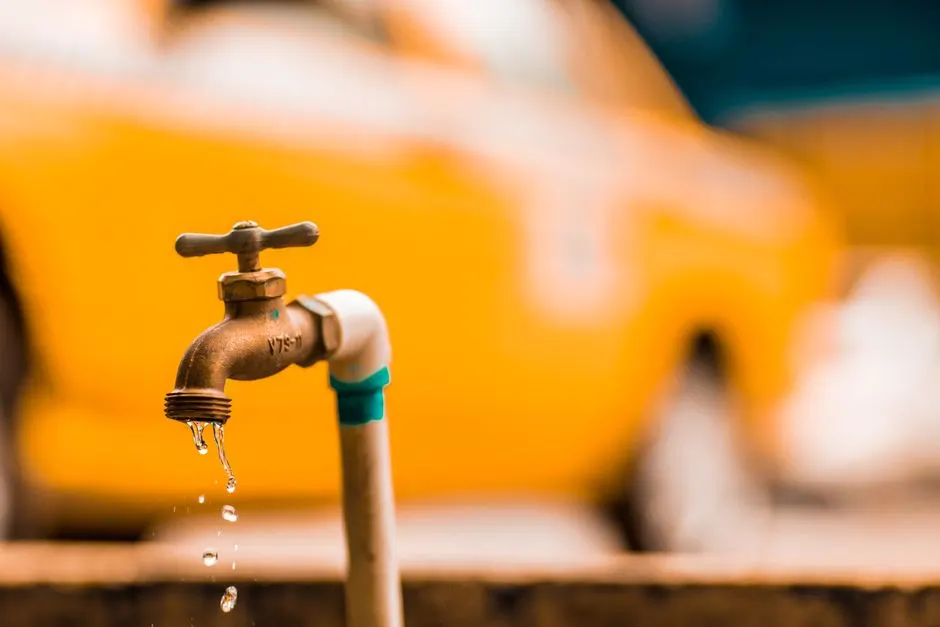
Macro shot of a brass faucet with water droplets against a blurred yellow background.
Licensed Licensed & Bonded
Fully Insured Insured & Bonded
24/7 Emergency Same-Day Response
Warranty Backed Workmanship Guaranteed

What Pipe Leak Detection Covers

Our inspection covers symptom review, accessible plumbing checks, targeted leak testing, and a clear explanation of the suspected source. If repair is authorized, we can address the pipe or fitting and verify the line afterward. Drywall replacement, flooring work, and broader water-damage restoration are separate trades or services, but we identify the affected area so you can plan those next steps.

Symptom and Fixture Review

We ask which fixtures lost pressure, when moisture appeared, and whether the area experienced freezing or thawing. This establishes a useful timeline and helps us focus testing on the right branch. You can show us stains, bubbling paint, or damp cabinet panels before we inspect the piping.
Targeted Leak Testing

We check accessible pipe runs, fittings, and affected surfaces, then compare readings with the suspected route. Sound detection and moisture measurement help narrow the search. If the line can be isolated, pressure testing helps determine whether the suspected section is losing water.

Location Explanation

We identify the area supported by the test results and explain what evidence points to it. You receive a practical description of the likely fault, such as a pin-hole, cracked pipe wall, or corroded fitting. That gives you a reasoned repair plan rather than a guess.

Post-Repair Verification

When repair work is part of the visit, we restore the supply and check for renewed leakage at the repaired section. We also confirm that normal flow has returned where possible. You will know whether the line passed the immediate check before we leave.

Pipe Leak Detection in Pennsylvania: What It Does


Pipe Leak Detection in Pennsylvania is a plumbing diagnostic service that locates water escaping from concealed or exposed pipes so the correct repair can be made. We trace symptoms such as a pressure drop, unexplained meter movement, damp drywall, or a ceiling stain to the affected section instead of opening walls at random. An Acoustic leak detector helps identify escaping water by sound, while a Moisture meter checks suspect surfaces. We compare readings with the pipe route and visible fittings, then show you what we found before repair work begins.

Pennsylvania homes face sharply different winter conditions, from exposed service lines and wind-driven cold in higher-elevation communities to older basements and tight utility chases in established neighborhoods. Frozen water supply pipes can develop pin-hole leaks or split fittings that release water after thawing, so a dry pipe during the freeze does not rule out damage. Our residential plumbing leak inspection follows symptoms to their source, helping you locate a hidden plumbing leak in a Pennsylvania home without unnecessary demolition.

What to Expect During Detection

Our inspection follows a consistent path from symptoms to confirmation. We ask where moisture appears, check the plumbing layout, and test the suspected line before recommending access or repair. Most straightforward inspections take about 1-3 hours; a complicated multi-level system or an intermittent leak takes longer.

01

Schedule

Call or book online — a real human picks up and confirms a 2-hour arrival window.

02

Diagnose

Licensed tech inspects on-site, then walks you through the cause and your options.

03

Fix

The job is completed to code and done right the first time — no shortcuts, no surprises.

04

Guarantee

Every job backed by a written workmanship warranty — and we stand behind it.

Tools and Detection Methods

Tools & Equipment

Infrared thermal camera

We use temperature patterns to compare suspect surfaces and identify areas that warrant closer checking. It helps guide the search but does not confirm a leak by itself, so we pair it with moisture or pressure evidence.

Acoustic leak detector

This instrument listens for sound created as pressurized water escapes a pipe. We compare sound levels along the route to narrow the likely leak position, particularly when the pipe is concealed behind a finished surface.

Electronic pipe locator

We use a locator to help trace accessible metallic pipe routes and understand where a line travels before targeted testing. Knowing the route helps avoid unnecessary openings and makes pressure checks more useful.

Moisture meter

A meter compares moisture readings across suspect drywall, flooring, or cabinetry. We use those differences to map the affected area and separate a localized leak pattern from a broader wet surface.

Pressure test pump

A controlled test helps determine whether an isolated pipe section holds pressure. We select a suitable test based on the plumbing system and avoid applying pressure beyond what the line and test conditions support.

Methods & Standards

Progressive branch isolation

We divide the plumbing into testable sections where valves and system layout permit. By checking one branch at a time, we reduce the search area and avoid blaming a fixture or line that holds pressure. This method is useful when several rooms share a supply route or a leak appears intermittently.

Acoustic and moisture cross-check

We compare the strongest leak sound with moisture readings and the known pipe path. Agreement between independent observations supports a more precise access point. If readings conflict, we extend the inspection rather than treating one signal as proof.

Material-matched repair planning

After locating the failure, we identify the existing pipe and fitting type before selecting a repair. Copper tubing, PEX tubing, and CPVC pipe require compatible joining methods and components. We consider access, water conditions, and applicable code requirements so the repair fits the installed system.

Code-aware verification

We complete plumbing work with applicable local requirements in view, including the Uniform Construction Code and municipal permits or inspections where required. After repair, we restore flow and check the repaired section for leakage. You receive a direct explanation of what was tested and what remains for any separate restoration work.

When to Schedule Leak Detection

01

A frozen basement pipe starts dripping after the heat returns and water pressure comes back.

What we do: We shut down the affected branch if needed, inspect the thawed run, and use sound and moisture checks to locate the release. A pipe that appeared intact during freezing can split at an elbow or fitting. We repair the confirmed fault and retest the line.

→ You know whether the pipe is safe to use, where the water escaped, and whether a nearby connection also needs attention.

02

A tenant reports a damp wall, but the unit's visible plumbing and fixtures show no drip.

What we do: We review the room layout, check moisture patterns, and trace likely supply routes through accessible areas. If testing points behind the wall, we identify a focused access area instead of opening a broad section. We can coordinate findings with the property manager.

→ The repair plan is based on evidence, making it easier to limit disruption and schedule any wall restoration around the confirmed plumbing work.

03

Your water bill rises and the meter moves while taps, toilets, and appliances are off.

What we do: We verify that fixtures are not the cause, then test the pressurized plumbing branches. A leak may be under a floor, in a utility chase, or along a concealed line. We use the results to locate the likely pipe section and recommend a targeted repair.

→ You get a diagnosis of the suspected supply leak and a practical next step to stop ongoing water loss.

04

A ceiling mark expands after a cold snap, especially beneath a bathroom or kitchen.

What we do: We map the plumbing above the stain, compare moisture readings, and check nearby fixture connections. If the leak began after freezing, we inspect vulnerable elbows and fittings as well as the straight pipe. We tell you whether the ceiling needs access for repair.

→ You can address the plumbing source before the wet area grows and arrange drying or finish repairs based on the confirmed extent.

How Pennsylvania Leak Detection Works Locally

Pipe Leak Detection in Pennsylvania has to account for older building layouts, changing elevations, and winter exposure that varies from community to community. In October, we prepare for falling temperatures and the first freeze risks; as winter deepens, unheated basements, crawl spaces, exterior walls, and service-line entries become common trouble spots. A line may freeze without an immediate leak, then release water as it thaws. Our plumbing pipe leak locating service checks the symptom pattern, pipe route, and moisture evidence before recommending access. In older homes, a mixture of pipe materials or past repairs can complicate the route, so we identify the material before selecting a repair. Municipal plumbing permits and inspections vary by locality and scope; we follow the applicable requirements rather than assuming one process covers every town. If you need a non-invasive water pipe leak detection service Pennsylvania homeowners can use before opening a wall, we use multiple readings to narrow the area and explain the evidence. From a basement utility line to an upstairs supply branch, the goal stays the same: find the source, stop the loss, and verify the repair.

Neighborhoods We Serve

  • York

    Older basements and later additions can create mixed pipe routes. We trace the affected branch before choosing an access point, especially when a damp ceiling sits below a bathroom or kitchen.

  • Bethel Park

    Cold exposure around garages and utility areas can leave supply lines vulnerable. We check for thaw-related leaks where pressure returns after a cold spell.

  • East Stroudsburg

    Colder winter conditions make exposed piping and unheated spaces important inspection points. We look for reduced flow and moisture that appears as temperatures rise.

  • Plymouth Meeting

    Multi-level homes and concealed fixture branches can send water away from the actual leak. We compare the pipe route with the location of stains before suggesting access.

Local Conditions We Plan For

  • Sudden cold snaps freeze lines in unheated basements and crawl spaces.

    A frozen line may stop flow without showing a leak until it thaws. We inspect the vulnerable section as water returns, check nearby fittings, and test for pressure loss before treating the problem as resolved.

  • Older homes may contain mixed pipe materials and undocumented repairs.

    Different materials and past alterations can make the route difficult to predict. We use visible connections and detection tools to map the line, then match repair components to the pipe rather than relying on a standard assumption.

  • Local permit and inspection requirements differ by municipality and job scope.

    A detection visit and a plumbing alteration can have different requirements. We consider Pennsylvania plumbing contractor registration where applicable and check local rules for permitted repair work, including required municipal inspection steps.

Ceiling Stain Traced to Supply Line

Before

A homeowner noticed a growing brown ceiling mark beneath an upstairs bathroom. The floor and visible fixture connections looked dry, and the stain returned after being wiped. Water was moving through the ceiling cavity, but its path did not point directly to the source.

After

We compared moisture readings across the ceiling and traced the supply route to a leaking fitting above one focused access area. The repair stopped the active release, and a follow-up check after 20 minutes of normal water use showed no new moisture at the fitting.

Maintenance: Keep the repaired area visible until the surrounding materials dry, and check the ceiling again over the next 24 hours. If the stain grows or pressure changes, shut off the affected branch and call for another inspection.

Before

After a cold spell, a basement supply line regained flow but left a small wet patch near an elbow. The pipe had not visibly burst while frozen, so the homeowner was unsure whether the water came from condensation or a crack.

After

We used moisture readings and a pressure check to confirm a leak at the elbow. The damaged fitting was repaired, and the line held during a 15-minute verification check with no new drip or pressure loss at the tested section.

Maintenance: Keep the basement temperature steady during cold weather and check pipe insulation for gaps before winter. Watch the elbow and nearby joints after the next freeze-thaw cycle, especially when normal flow returns.

Before

A kitchen cabinet base became damp every few days, but no water appeared while the faucet was running. The intermittent leak had softened the cabinet edge and left moisture near a concealed supply connection.

After

We checked the cabinet and adjacent wall, then narrowed the leak to a supply fitting behind the base panel. After repair, the connection stayed dry during repeated faucet use, and the owner had a defined area to dry rather than removing the full cabinet.

Maintenance: Leave the cabinet base accessible while it dries and avoid storing items directly against the repaired connection for several days. Check the fitting after regular use and report any new dampness promptly.

Find the Source Before Damage Spreads

A hidden leak rarely announces itself with a steady stream of water. It may start as an unexplained meter movement, a musty cabinet, or a ceiling mark that grows after a freeze. We trace those signs to the plumbing and focus the next action on the actual failure.

Problem

A ceiling stain grows although the upstairs floor looks dry.

Water can travel along framing before it appears, soaking insulation and widening the repair area. Delayed detection also makes it harder to distinguish plumbing leakage from an unrelated surface spill.

Our Fix

We compare moisture readings across the ceiling and nearby walls, then trace the supply and fixture lines above. Sound testing helps narrow the suspected section. Once the leak point is identified, we explain the access needed and repair the pipe or fitting if authorized.

Problem

Water pressure drops after a pipe freezes and thaws.

A thawed line can release water through a crack that remained sealed by ice. The leak may worsen as pressure returns, leaving a basement, wall cavity, or cabinet wet without an obvious spray.

Our Fix

We check the affected branch for flow and pressure, inspect exposed fittings, and look for moisture along the likely route. If a leak is present, we isolate the section, locate the damaged point, and repair it before testing the line under normal operating conditions.

Problem

A water meter moves when every fixture is shut off.

Continued water loss can increase utility use and saturate areas that are not visible from the room. A slow leak may damage flooring or framing before it creates a noticeable puddle.

Our Fix

We use the meter clue to focus on pressurized supply piping, then isolate branches where accessible. Our residential plumbing leak inspection compares pressure, moisture, and pipe routing to identify the likely source. You get a clear repair direction and a check that the meter behavior has changed.

Problem

Repeated dampness returns around one pipe connection.

Recurring moisture can point to a failing fitting, corrosion, or a crack that opens under pressure. Wiping the surface dry treats the symptom, while water continues to reach the surrounding material.

Our Fix

We inspect the connection and nearby pipe for movement, corrosion, or a split. After locating the release point, we match the repair to the pipe material and check nearby joints for related damage. We then run water and verify the repaired section stays dry.

Clear Answers, Less Unnecessary Damage

Clear Answers, Less Unnecessary Damage

A leak that stays hidden can soak insulation, framing, flooring, and stored belongings long before a puddle appears. We use measured observations to narrow the search, explain the likely repair, and help you decide what needs attention first. You get a practical next step rather than a guess based on one damp patch.

  • Pinpoint the Leak

    We combine sound, moisture readings, and pipe-route checks to identify the likely failure point before opening a wall or floor. If the leak is behind a finished surface, targeted access can reduce needless cutting. Our professional pipe leak location service records the affected area and explains whether the next step is a fitting repair, pipe section replacement, or additional access.

  • Limit Water Damage

    Finding a small leak early can prevent a wet cabinet base or ceiling spot from becoming a larger repair. We look for active moisture and trace it back to the plumbing, including damage that appears after a line thaws. You learn which area to keep clear and whether shutting off a branch valve is the safest immediate move.

  • Restore Normal Flow

    Reduced or interrupted water flow can point to a leak, a frozen section, or both. We test the affected supply path and distinguish a pressure problem from water escaping into the structure. That helps us direct repair toward the actual fault, rather than replacing unrelated fixtures or fittings.

  • Plan the Right Repair

    A clear location helps match the repair to the material and access conditions. Copper tubing, PEX tubing, and older galvanized steel pipe require different repair methods and compatible fittings. We explain the practical options, the work area involved, and the testing needed to verify the line after repair.

Standards and Service Proof

Licensed & Certified

  • Pennsylvania plumbing contractor registration where applicable — issued by Commonwealth of Pennsylvania
  • Uniform Construction Code compliance for applicable plumbing work — issued by Pennsylvania Department of Labor and Industry
  • OSHA safety requirements for worksite practices — issued by Occupational Safety and Health Administration
  • EPA Lead Renovation, Repair and Painting Rule when applicable — issued by United States Environmental Protection Agency

Verified Reviews

Customer feedback Not stated

A homeowner in York described a leak behind a bathroom wall that did not show at the fixture. The inspection narrowed the location before access, and the repair was checked under normal water use. The useful part was seeing the readings and understanding why that section, rather than the shower, was the source.

Customer feedback Not stated

A Bethel Park customer reported low flow after a winter freeze and a wet basement elbow. The technician checked the line after it thawed, found the split connection, and verified the repaired pipe. The customer appreciated having a direct explanation of the difference between a frozen blockage and a leak.

Customer feedback Not stated

A property manager in Downingtown needed an intermittent cabinet leak located without removing the full kitchen base. Testing identified a concealed supply fitting, and the repair was checked after faucet use. The manager said the focused location made it easier to plan drying and the next tenant update.

Practical Plumbing Diagnostic Experience

Our team works on leak searches tied to frozen, aging, or damaged household plumbing throughout Pennsylvania. We use trade methods that match the pipe material and building access, rather than treating every stain as the same failure. Where work requires plumbing repair, we follow applicable Pennsylvania plumbing contractor registration requirements and local permit rules. We also consider the International Plumbing Code, Uniform Construction Code, and relevant product standards when selecting compatible repair components. You get an explanation in plain language, with findings connected to the symptoms in your home.

  • We distinguish active leakage from residual moisture by comparing surface readings, pipe pressure, and the timing of water use.
  • Our technicians inspect copper, plastic, and older metal piping without assuming every hidden line follows a modern layout.
  • We trace freeze-related leaks after thawing, when a crack can begin releasing water even if the pipe looked intact during the cold snap.
  • Repair planning accounts for compatible pipe fittings and local municipal permits or inspections where the work requires them.
  • We follow OSHA safety requirements around work areas and use controlled access to protect finished surfaces.
Get Started Today
Practical Plumbing Diagnostic Experience

Cities We Serve Across Pennsylvania

We provide Pipe Leak Detection across Pennsylvania, from established town centers to newer residential developments and properties exposed to severe winter cold. Our technicians adapt the search to the building, pipe material, and symptoms rather than relying on one layout. For Pennsylvania pipe leak detection, call with your city, the affected room, and whether the problem followed freezing or thawing. We serve the following communities and nearby areas with practical inspection, targeted locating, and repair options.

York

In York, we trace ceiling stains and basement dampness to the supply line or fitting causing the leak, then test the repaired section before restoring normal use.

Bethel Park

For Bethel Park homes, we check lines near garages, basements, and exterior walls after cold weather, when thawing can reveal a previously hidden split.

Allison Park

We investigate reduced flow and unexplained moisture in Allison Park by mapping the pipe route, checking suspect fittings, and narrowing access to the evidence.

Colonial Park

In Colonial Park, our inspection follows damp walls, cabinet leaks, and pressure changes back to the affected plumbing branch before repair begins.

Dunmore

Dunmore customers can call after a freeze or sudden stain; we check exposed basement piping and concealed routes for leaks that appear during thawing.

Coatesville

We locate Coatesville pipe leaks by comparing surface moisture, pipe routing, and pressure behavior, then explain the most focused repair access.

Emmaus

In Emmaus, we inspect unexplained meter movement and recurring dampness, using targeted tests to distinguish a supply leak from a fixture issue.

Nanticoke

Our Nanticoke visits include checks for frozen or damaged basement lines, with post-repair testing to confirm that flow is restored without renewed leakage.

Woodlyn

In Woodlyn, we trace leaks behind cabinets and finished walls by combining pipe-route checks with moisture readings before recommending a focused opening.

East Stroudsburg

East Stroudsburg homes can face colder winter exposure; we check vulnerable service entries and unheated areas when flow drops or moisture appears after a thaw.

Village Green-Green Ridge

We investigate Village Green-Green Ridge leaks from ceiling stains to damp utility spaces, narrowing the source before repair or water-damage work.

Jeannette

For Jeannette properties, we look for corrosion, split fittings, and freeze-related leaks, then match the repair to the existing pipe material.

Downingtown

Downingtown customers receive targeted testing for intermittent cabinet leaks, pressure loss, and damp walls, followed by a clear repair and verification plan.

Grove City

In Grove City, we inspect exposed lines and concealed supply branches for damage after cold weather, confirming the leak location before opening finished surfaces.

Plymouth Meeting

Our Plymouth Meeting service traces water traveling between floors or behind cabinets, using moisture and pipe-route evidence to limit unnecessary access.

Frequently Asked Questions

Real answers to the questions we hear most often from local homeowners and property managers.

Who offers pipe leak detection in Pennsylvania?
Pennsylvania Frozen Pipe Pros provides pipe leak detection and related plumbing diagnosis across Pennsylvania. We inspect visible and concealed supply lines, test suspect sections, and explain whether the evidence points to a leak, freeze damage, or another pressure problem. For a frozen or recently thawed pipe, tell us when the flow changed and where you noticed moisture; that history helps narrow the search and protect the area.
How do plumbers locate hidden water pipe leaks?
Plumbers compare moisture, sound, pipe routing, and pressure readings to narrow a hidden leak to a specific section. An Acoustic leak detector helps identify escaping water, while a Moisture meter checks surrounding surfaces; controlled pressure testing can confirm whether an isolated line holds. Most straightforward searches take about 1-3 hours, though concealed runs, intermittent leaks, and multi-level layouts require additional testing.
How much does plumbing pipe leak detection cost?
A residential inspection commonly costs $180-$650 in 2026, depending on access, testing time, and whether the leak is active. A simple exposed-line check is less involved than tracing a leak beneath a slab or behind finished walls. Repair materials and opening or restoration work can add cost. We explain the price before authorized work, and a detection fee does not automatically include repairs.
Can leak detection find a pipe leak behind a wall?
Yes, non-invasive testing often narrows a wall leak to a small area before an opening is made. We compare moisture readings with sound and the likely pipe route, then mark the best access point supported by the evidence. The exact result depends on wall construction and whether the leak is active. If water is spreading quickly, shut off the affected supply and call for prompt inspection.

Related Plumbing Services

Emergency Frozen Pipe Repair

When a frozen line begins leaking or stops supplying water, we first locate the affected section and check for a split or failed fitting. Emergency repair addresses the immediate failure, then we test the line after thawing so a second leak does not remain hidden.

View Emergency Frozen Pipe Repair

Frozen Pipe Thawing

A frozen pipe needs controlled thawing before its full condition is clear. We identify the frozen section, use suitable equipment, and watch for leakage as water returns. Detection helps distinguish a temporary blockage from a cracked pipe that needs repair.

View Frozen Pipe Thawing

Burst Pipe Repair

A burst pipe requires water shutoff, damage control, and replacement or repair of the failed section. Leak detection confirms where the break begins and whether a nearby fitting or second weak point is also affected. We test the repaired line before restoring normal use.

View Burst Pipe Repair

Frozen Pipe Leak Repair

Thawing can reveal a crack that was sealed by ice. We locate the release point, assess the pipe material, and repair the damaged area with compatible components. A final pressure and visual check helps confirm that the line is no longer leaking.

View Frozen Pipe Leak Repair

Frozen Water Line Repair

A frozen water service line can cause low pressure or no water at all. We trace the affected route, determine whether the issue is a blockage or a leak, and make the needed repair. That diagnosis helps avoid treating a damaged line as a simple freeze.

View Frozen Water Line Repair

Frozen Plumbing Pipe Repair

Interior pipes in basements, crawl spaces, and exterior walls are vulnerable during prolonged cold. We find the affected run, check for split pipe walls or failed joints, then complete a compatible repair and verify flow before wrapping up.

View Frozen Plumbing Pipe Repair

Get Pipe Leak Detection in Pennsylvania

Tell us what changed: a damp ceiling, reduced flow, or a meter that keeps moving. We will help you locate the source and explain the repair path. Call Pennsylvania Frozen Pipe Pros at +12232730019 for a direct next step.

Call Now Call for Detection

Contact Our Plumbing Team

If your water has stopped, a pipe is leaking, or thawing has exposed a crack, call Pennsylvania Frozen Pipe Pros at +12232730019. Our phone line is open 24/7 for urgent frozen and burst pipe calls across Pennsylvania. Tell us what you see and where the shutoff is; we will help you take the next safe step and arrange service.

Or call us right now at +12232730019 — we answer.

Pennsylvania Frozen Pipe Pros


  • Phone

    +12232730019
  • Address

    Pennsylvania

  • Hours

    Mon–Fri: 7AM – 7PM
    Sat: 8AM – 4PM
    Sun: Emergency Only
    24/7 Emergency Available

Call +12232730019 Get Quote
Call Quote