


Residential Frozen Pipe Repair in Scranton
Scranton homeowners often discover a frozen pipe when a kitchen faucet slows down, a bathroom loses water, or a basement line begins dripping after a thaw. Older homes may have basements, exposed service lines, and plumbing routed through unheated porches, garages, or additions. We respond to the immediate problem, check for cracks and hidden leaks, and restore the supply with a tested repair. Our frozen plumbing services Scranton, Pennsylvania help protect floors, stored belongings, and the daily routines that depend on working water. Tell us whether the whole home has lost water or just one fixture, and whether you see moisture near the pipe. That distinction helps us find the affected branch faster. We serve ZIP codes including 18508 and 18510, as well as residential streets across Scranton, with repair plans based on the actual pipe material and access.
- Frozen pipe thaw and inspection — We locate the frozen line in your Scranton home, thaw it gradually, and check for leakage as water returns. This is especially important in basements and unheated additions, where a crack may remain hidden while the pipe is blocked. We test the line before leaving and identify the exposure that caused the freeze.
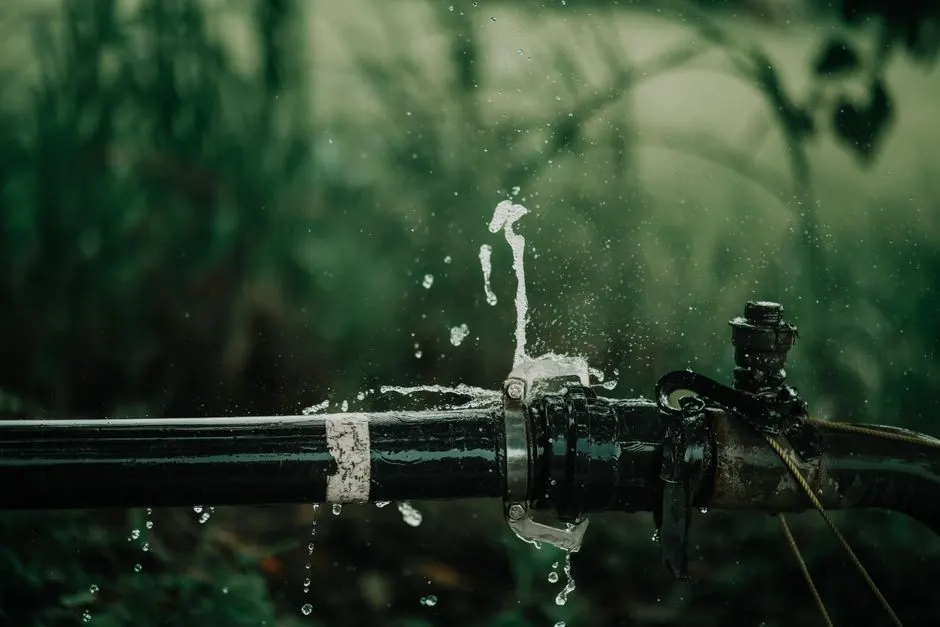
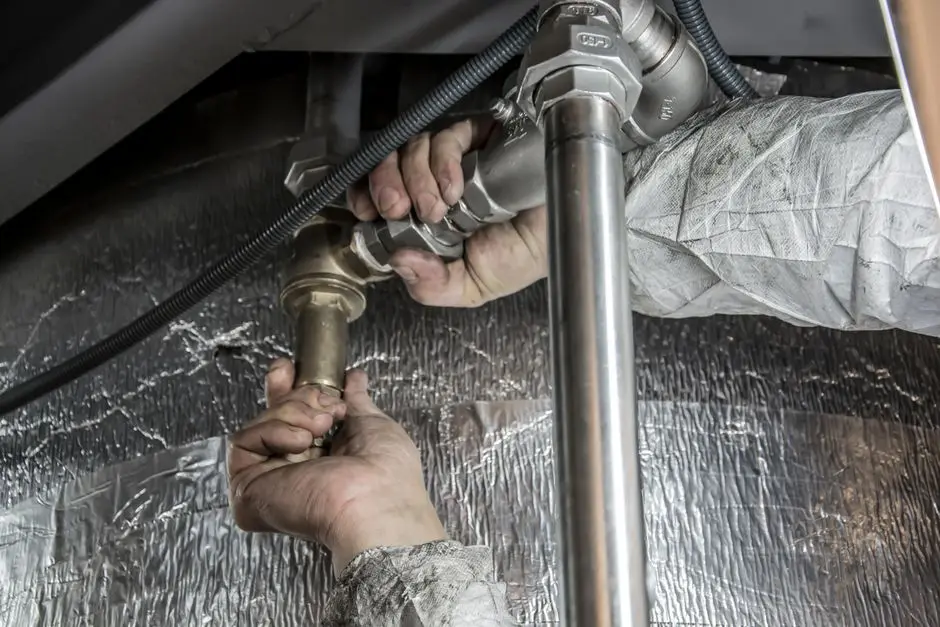
- Burst pipe replacement — If freezing has split a pipe, we isolate the supply and replace the damaged section with compatible pipe and fittings. We check adjacent plumbing for stress, then restore pressure in stages. This focused repair helps get your Scranton kitchen, bathroom, or laundry line back in service without overlooking nearby damage.
- Hidden leak detection — A wet wall or unexplained basement moisture can indicate a leak that appeared after thawing. We trace the source with inspection methods suited to the property and repair the plumbing once the leak is located. Our Scranton service includes checking the repaired section under operating conditions before the area is closed up.
- Winter pipe protection — When the same pipe freezes repeatedly, we assess the location and recommend practical protection. That may include pipe insulation, closing cold-air gaps, or suitable heat-trace cable for an exposed run. For Scranton homeowners, addressing the specific vulnerable section before winter is more useful than relying on a temporary thaw each time.