

Residential Frozen Pipe Repair in Latrobe
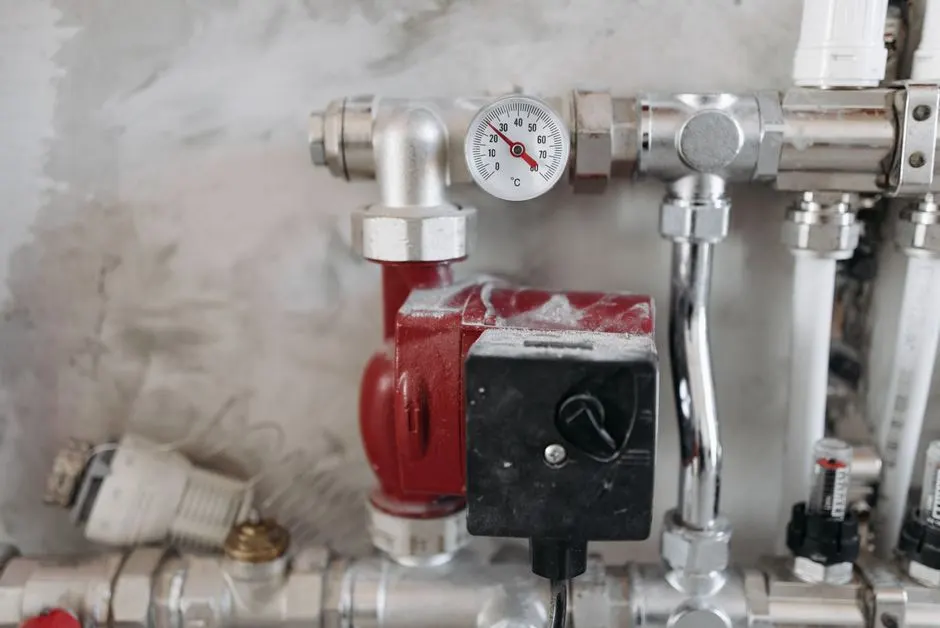
Latrobe homes range from compact properties near downtown to larger houses with basements, additions, and detached garages. Frozen lines often show up in the least convenient spot: behind a kitchen cabinet on an exterior wall, above a finished basement ceiling, or along a utility route that is hard to reach. We start by finding which fixtures are affected and whether water is visible, then trace the likely pipe path. Our residential frozen pipe repair includes controlled thawing, damaged pipe replacement, leak checks, and practical prevention work where the pipe is accessible. If a family has lost water during a cold night, we focus on restoring safe use without overlooking a leak that could damage floors or stored belongings. We explain what we find in plain language and test the repair before we leave.
- Thawing frozen household pipes — We locate the frozen branch in your Latrobe home, check for cracks, and thaw it with controlled equipment. As water returns, we inspect the pipe and nearby fittings for leaks. This is useful when one bathroom, kitchen, or laundry fixture has stopped flowing while the rest of the house remains in service.
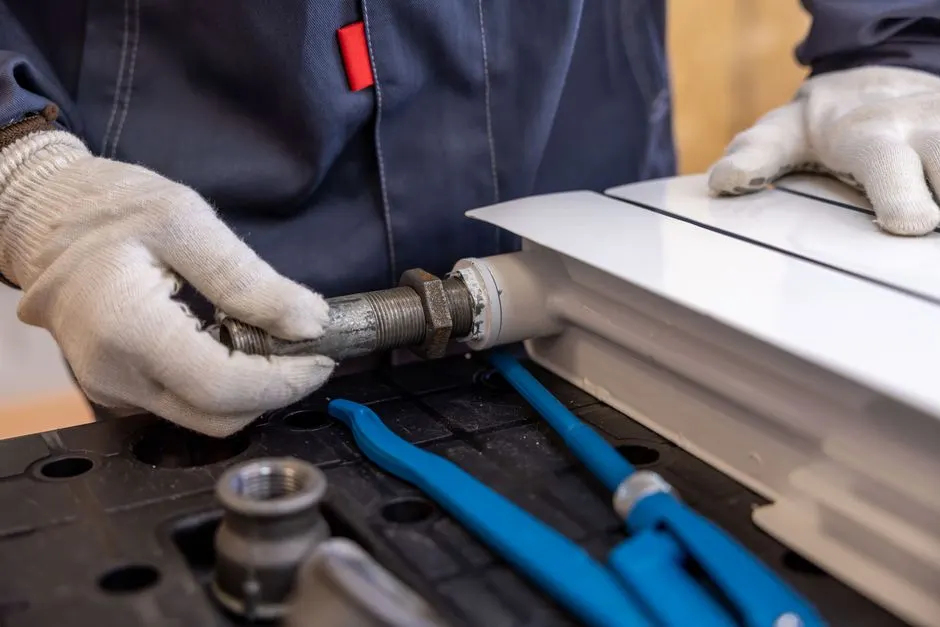
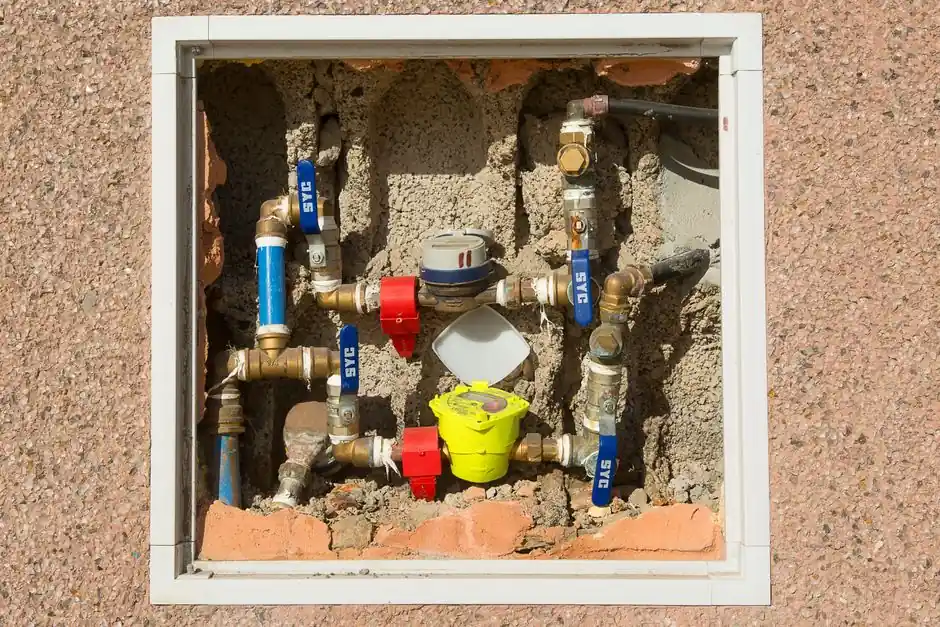
- Repairing burst basement lines — A burst basement pipe can spread water quickly across storage areas or finished rooms. We isolate the supply, replace damaged pipe or fittings, and test the line under pressure. In Latrobe homes, we also check adjacent exposed sections that may have experienced the same cold conditions.
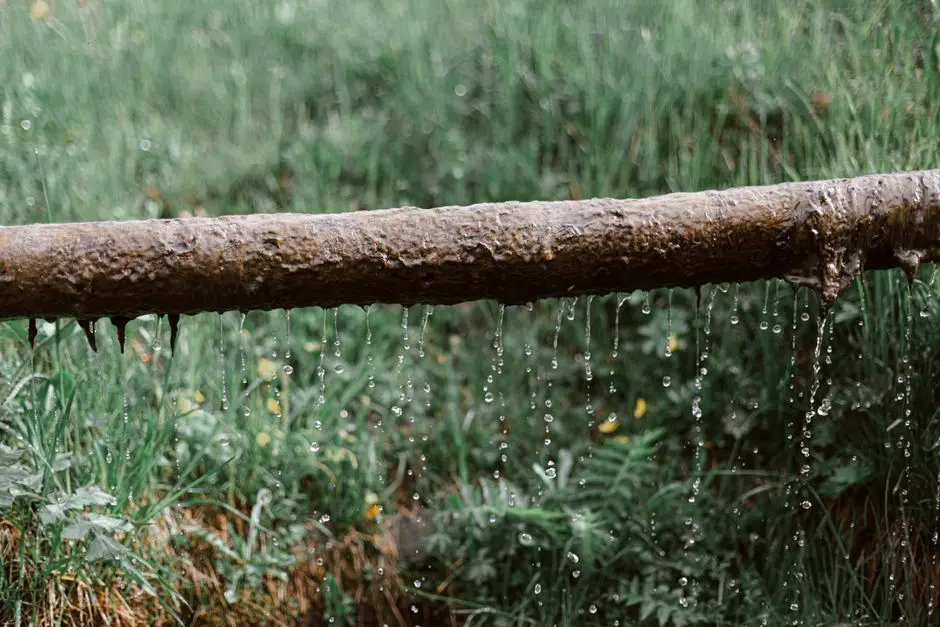
- Finding hidden freeze-related leaks — If a stain or damp patch appears after a cold snap, we trace the likely plumbing route before opening a large area. Moisture readings and a visual inspection help narrow the source. We then repair the leak and confirm that the surrounding pipe stays dry after water pressure returns.
- Protecting vulnerable pipe sections — Repeated freezing often points to an exposed run, draft, or unheated space. We identify the vulnerable pipe in your Latrobe property and discuss suitable insulation or heat protection after checking access and material. The goal is to reduce repeat calls while preserving access to shutoffs and service points.