Residential Frozen Pipe Repair in Uniontown Homes
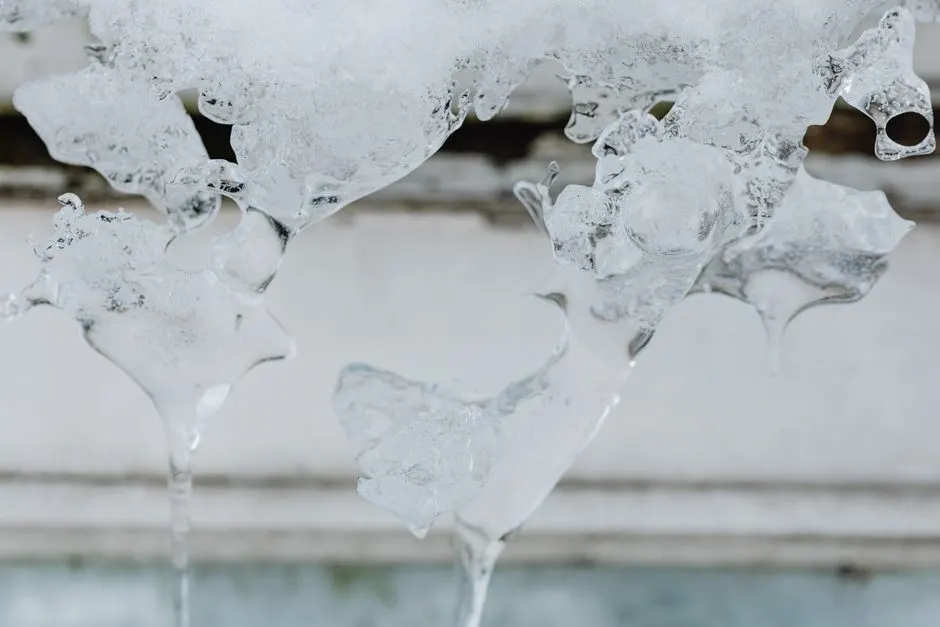
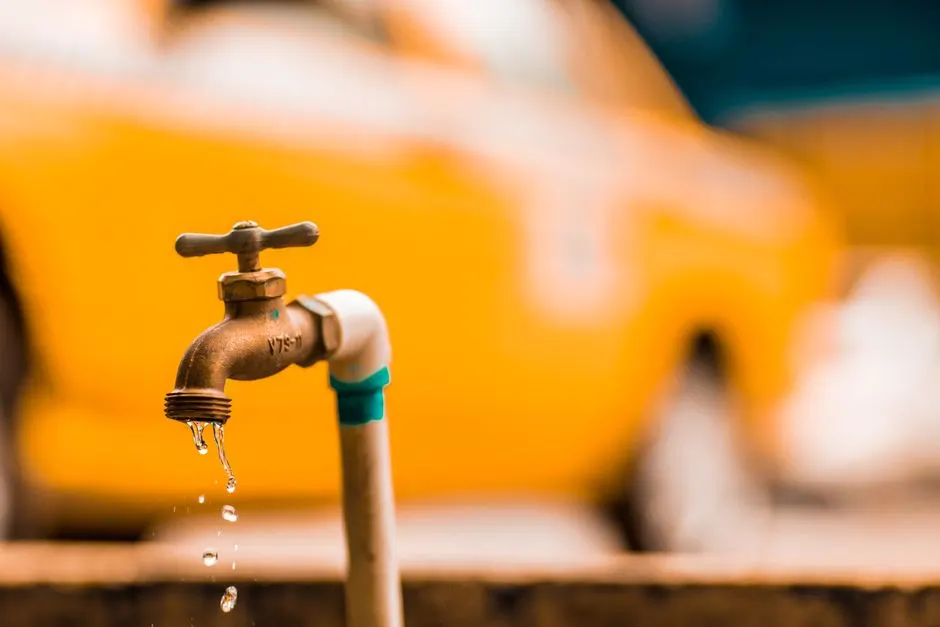
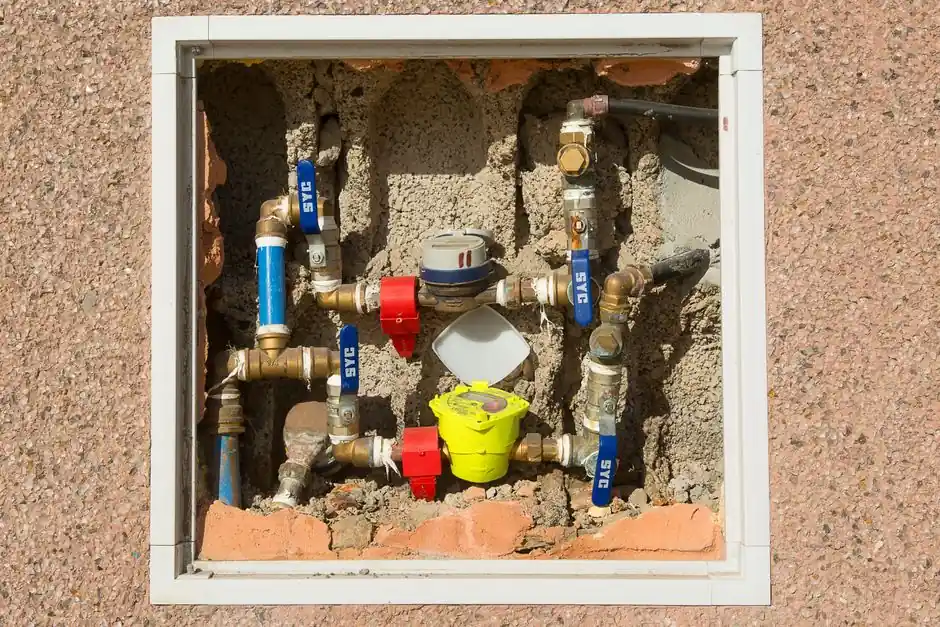
Uniontown homes include older masonry and frame houses, apartments, and properties updated in stages over time. Pipes may run through basements, crawl spaces, garages, exterior walls, or cabinets that do not receive much warm air. When a faucet stops during a cold spell, your family needs water restored and the risk of a hidden leak checked. We locate the affected section, thaw it carefully, and repair damaged pipe or fittings. Afterward, we test the line and look for signs of water around the work area. Frozen water line repair is especially important when several fixtures lose flow or the service enters through a cold basement. We also help you identify practical prevention steps for accessible plumbing before the next Uniontown freeze.
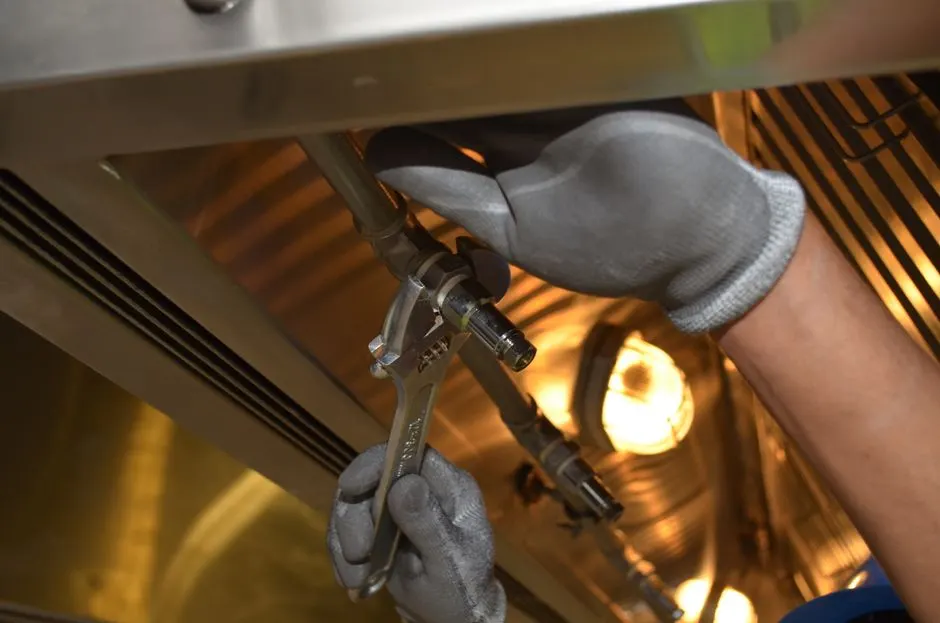
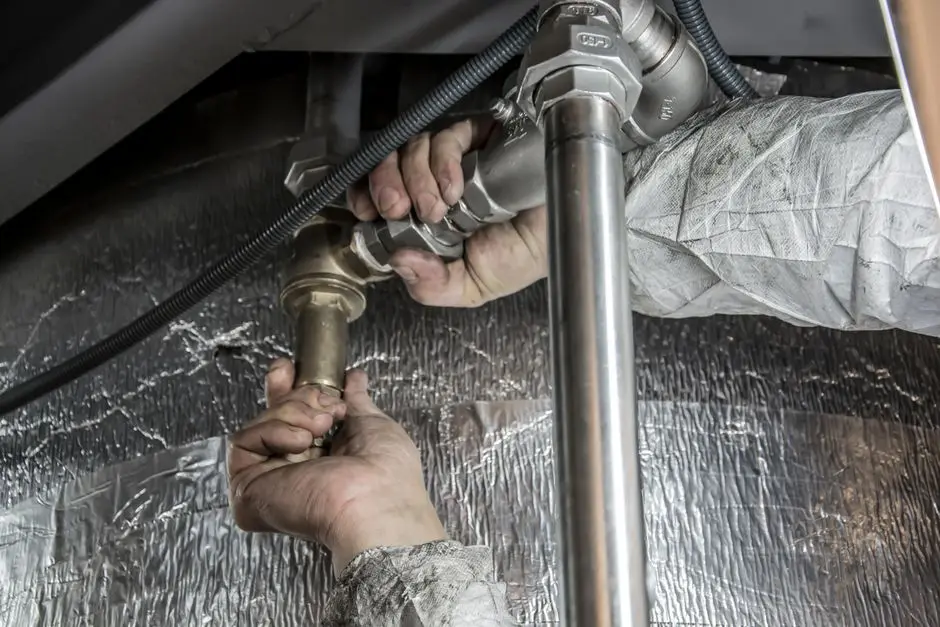
- Home pipe thawing and inspection — We inspect and thaw frozen lines in Uniontown homes, including exposed basement plumbing and pipes behind accessible cabinets. We monitor the line as flow returns and check for cracks or leaks. If the pipe is sound, we confirm normal operation; if it has failed, we explain and complete the repair.
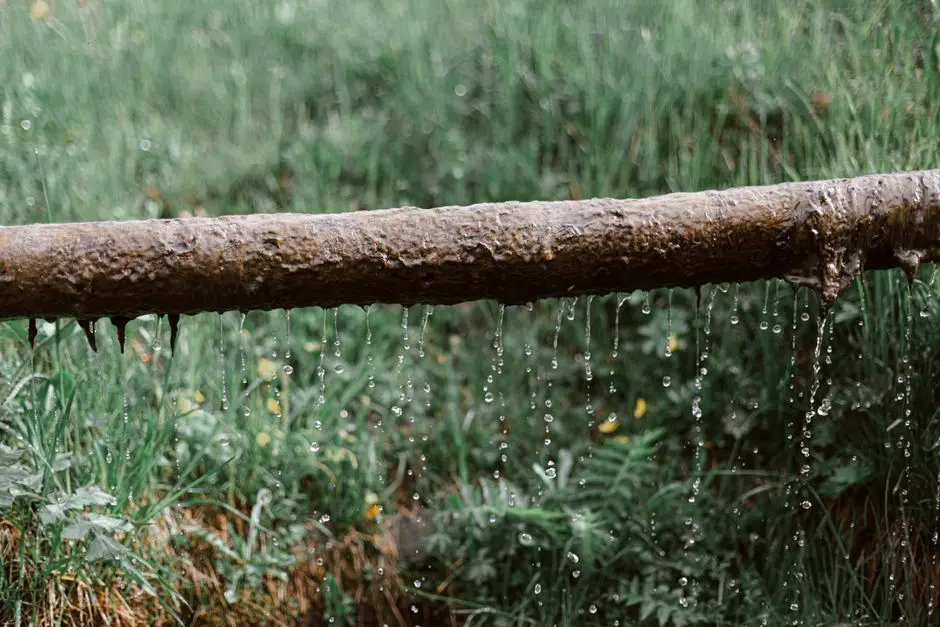
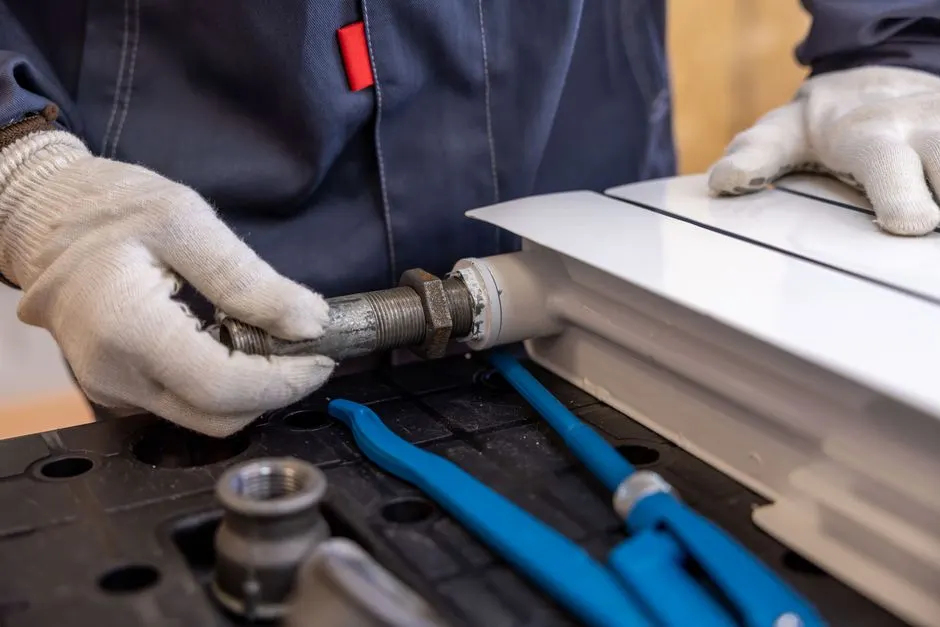
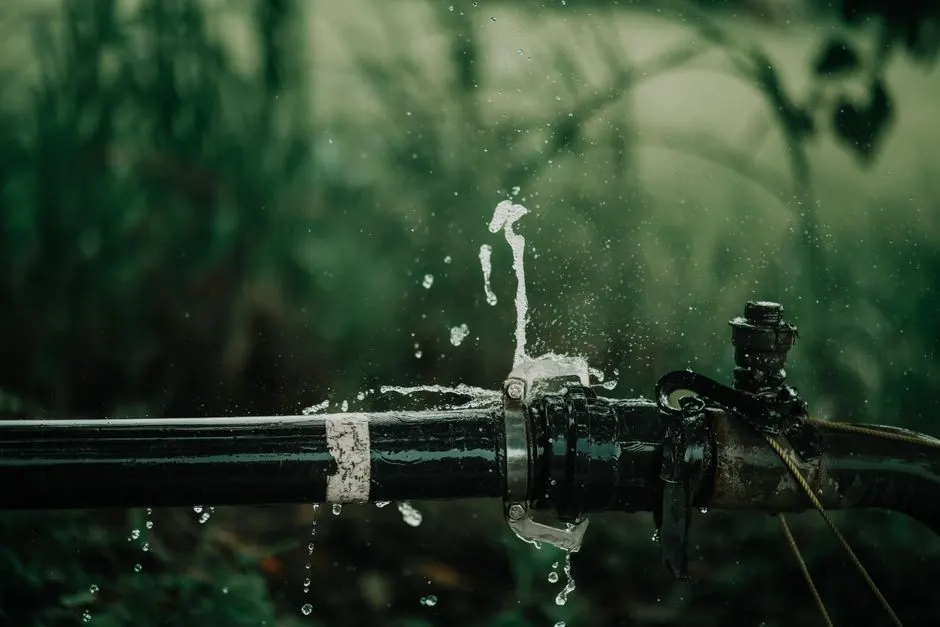
- Burst pipe replacement — When ice has split a line, we shut off the affected supply, remove damaged material, and install a compatible repair. We check nearby fittings because freeze stress can affect more than one joint. Your Uniontown home's water service is restored only after the repaired section is tested.
- Hidden leak tracing — If a ceiling, wall, or floor becomes damp after a freeze, we trace the water to its source rather than treating only the visible spot. Moisture readings and inspection help narrow the affected area. We repair the plumbing leak and point out where drying attention is needed.
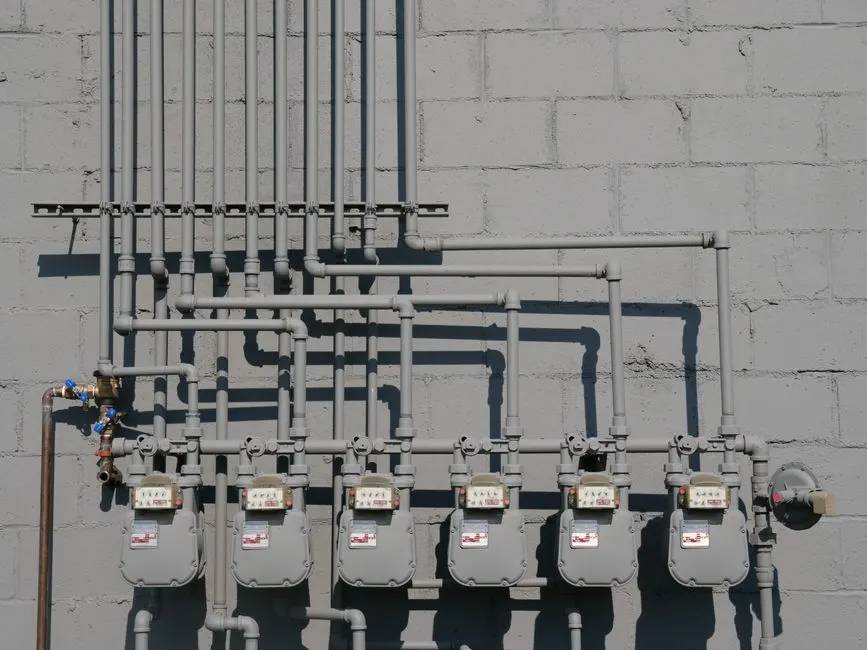
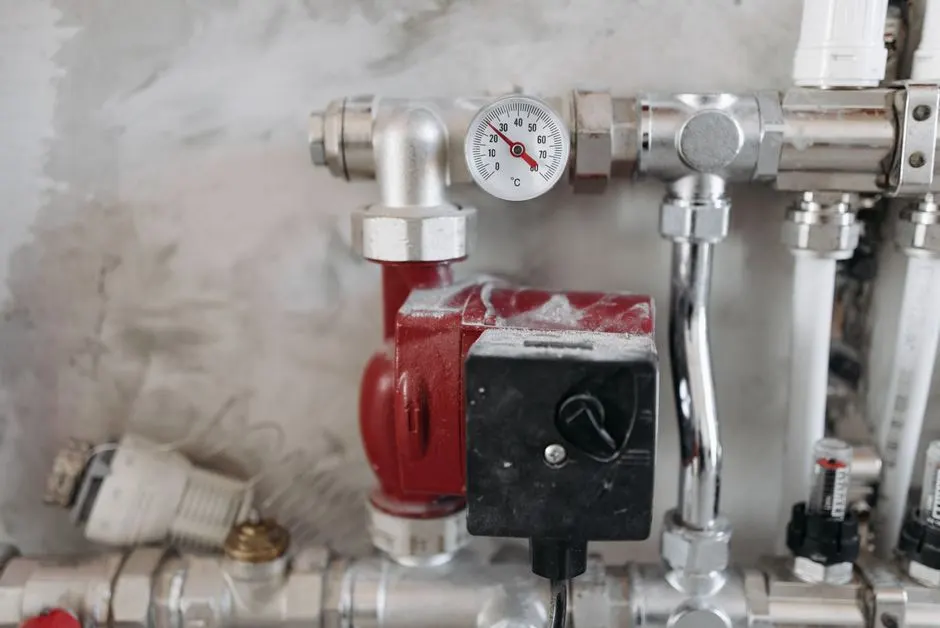
- Winter freeze prevention checks — We review accessible pipes that have frozen before, including lines in basements, garages, and exterior-facing cabinets. Our recommendations focus on practical measures such as improving insulation and reducing cold-air exposure. Uniontown homeowners can address vulnerable areas before the next sustained cold spell.