Logo
Get Estimate

Frozen Pipe Thawing in Pennsylvania

Restore water flow without risking pipe damage


Frozen Pipe Thawing in Pennsylvania gets water moving again for homeowners, landlords, and businesses facing blocked or frozen plumbing. Our team locates the ice, selects a controlled thawing method, and checks for leaks as the line warms. If taps have stopped flowing during a cold snap or you hear water running inside a wall, call us before pressure or thawing exposes a split.

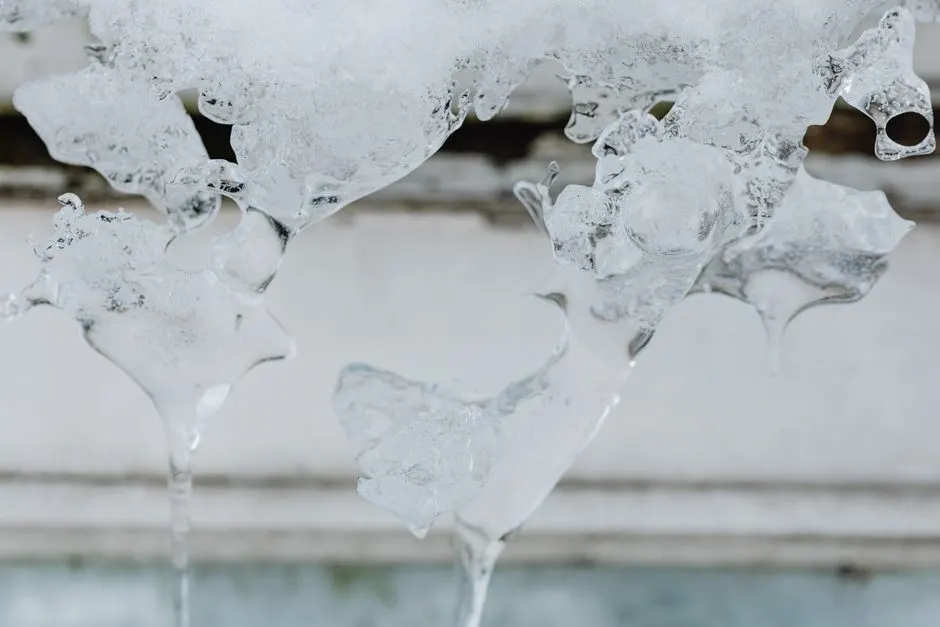
Detailed view of intricate melting ice formations, conveying the beauty of winter.
Licensed Licensed & Bonded
Fully Insured Insured & Bonded
24/7 Emergency Same-Day Response
Warranty Backed Workmanship Guaranteed

What's Included in Pipe Thawing

Our service covers locating the frozen section, choosing a controlled thawing method, monitoring the pipe as ice releases, and checking flow and accessible fittings afterward. If we find a split or active leak, we explain the plumbing repair needed and can address related work. Building-material drying and major wall restoration are separate tasks, but we identify visible moisture and point out what needs attention after the line is secure.

Freeze Location Check

We identify which fixtures and pipe branches are affected, inspect accessible runs, and trace likely concealed routes. Thermal readings and visual checks help focus the search on the frozen section instead of heating a broad area or opening surfaces without a reason.
Controlled Thawing

We apply heat suited to the pipe material and location, then monitor the line as ice releases. The method avoids open flames and excessive localized heat. We pause to check progress, especially near joints, fittings, and finished surfaces.

Flow and Leak Test

After thawing, we restore water gradually and confirm that affected fixtures run. We inspect accessible pipe walls and fittings for seepage as pressure returns. If water flow remains weak, we continue checking for another frozen section or an obstruction.

Prevention Guidance

We point out practical changes that fit your pipe route, such as securing insulation, sealing a cold draft, or protecting a vulnerable service entry. Guidance is specific to what we see, so you know which section deserves attention before the next freeze.

Frozen Pipe Thawing in Pennsylvania: The Work


Frozen Pipe Thawing in Pennsylvania is a plumbing service that safely warms an ice-blocked pipe to restore water flow and identify damage before it worsens. We first determine where the blockage sits, what the pipe is made of, and whether water pressure or a leak signals a split. Depending on access, we use controlled electrical thawing equipment or warm air, never an open flame. As ice releases, we monitor the line and inspect joints so a small freeze does not turn into a burst pipe or hidden water damage.

Pennsylvania weather ranges from sharp winter cold in Bradford and Meadville to freeze-thaw cycles that affect exposed service lines and older buildings elsewhere. Pipes in crawlspaces, garages, exterior walls, and unheated utility rooms are especially vulnerable when temperatures stay below 32 degrees F. Our Pennsylvania frozen pipe thawing work addresses reduced flow, frozen water service lines, and pressure changes before they cause a larger repair. For a professional frozen pipe thawing service in Pennsylvania, we trace the blockage, thaw the affected section, and test the line afterward.

What Happens During Service

Frozen Pipe Thawing in Pennsylvania follows a deliberate sequence: identify the blockage, protect the work area, apply controlled heat, and verify flow. We explain what we find as we go, so you know whether the line is intact or needs a repair before normal use resumes.

01

Schedule

Call or book online — a real human picks up and confirms a 2-hour arrival window.

02

Diagnose

Licensed tech inspects on-site, then walks you through the cause and your options.

03

Fix

The job is completed to code and done right the first time — no shortcuts, no surprises.

04

Guarantee

Every job backed by a written workmanship warranty — and we stand behind it.

Tools and Thawing Methods

Tools & Equipment

Infrared thermal camera

We compare surface temperatures along accessible walls and pipe routes to narrow the search for a frozen section. Thermal patterns guide inspection; they do not replace checking the pipe and fittings directly.

Electronic pipe locator

We use pipe tracing to follow concealed supply lines and plan a targeted approach. Knowing the route helps avoid unnecessary openings and directs attention to likely cold spots near exterior walls or service entries.

Pipe thawing machine

For compatible metal piping and suitable access, controlled electrical thawing equipment warms the frozen section through the pipe. We monitor the process and verify the material and setup before use.

Moisture meter

After ice begins to clear, we check suspicious surfaces for dampness that may indicate a hidden leak. Readings help us decide whether a pipe repair or further inspection is needed.

Hot air blower

A controlled hot air blower can warm accessible pipe sections without an open flame. We keep heat moving, protect nearby materials, and monitor the pipe rather than concentrating heat at one point.

Methods & Standards

Material-matched controlled thaw

We identify whether a line is copper, PEX, CPVC, or another material before selecting the heat source. The technician applies heat in measured stages, checks joints, and avoids methods that could soften plastic or overheat a fitting. This approach aims to restore flow while protecting the pipe and nearby building materials.

Progressive thaw with pressure monitoring

Where the configuration allows, we work toward the frozen area from an open end and allow meltwater to move out as the ice clears. We observe pressure and flow rather than forcing water against a solid blockage. If a leak appears, we isolate the section and address the damage before continuing.

Code-aware repair and testing

If thawing reveals a failed fitting or split pipe, we select compatible materials and repair practices that meet applicable plumbing requirements. Depending on the work and municipality, permits or inspections may apply. We test the repaired line and verify the affected fixtures before considering the service complete.

When to Call for Pipe Thawing

01

A bathroom faucet has no flow after an overnight low below 32 degrees F, but other rooms still have water.

What we do: We check the affected branch, nearby exterior-wall routes, and fixture connections to find the isolated freeze. After protecting the work area, we warm the pipe gradually and monitor it as water returns. We also inspect accessible joints for seepage, since a small split may only show once ice has cleared.

→ You get flow restored to the affected fixture and learn whether the line needs insulation or a repair before the next cold snap.

02

A rental unit loses water on a winter morning and tenants cannot use the kitchen or bathroom.

What we do: We identify whether the blockage is limited to one unit or affects a shared branch, then coordinate access to the affected plumbing. Our team uses a controlled thaw and checks fixtures and exposed fittings afterward. If a damaged pipe is found, we isolate it and explain the repair needed to restore service safely.

→ The property manager gets a clear cause, restored water where the line is intact, and a repair plan if the freeze caused a leak.

03

A basement service pipe is coated in frost and water pressure has dropped across the property.

What we do: We inspect the service entry, trace the pipe route, and check for leaks before applying heat. The thaw proceeds in monitored stages, with water pressure and connections checked as ice releases. If the line remains restricted beyond the accessible section, we identify the next point requiring inspection rather than guessing.

→ You know whether the service line is flowing, whether a leak is present, and what further repair is needed to restore dependable supply.

04

A pipe behind a kitchen cabinet freezes repeatedly whenever cold air reaches an exterior wall.

What we do: We locate and thaw the branch, then examine the cabinet space for drafts and missing insulation. We can recommend a practical change based on the pipe material and clearance, such as improving airflow from the heated room or adding suitable insulation. We also check for damage from previous freeze cycles.

→ The immediate blockage is cleared, and you have a targeted prevention step for the specific wall and pipe route.

Frozen Pipe Thawing Across Pennsylvania

Frozen Pipe Thawing in Pennsylvania changes with the building and winter conditions. In colder northern communities such as Bradford, Meadville, and DuBois, prolonged cold can freeze service entries and exposed basement runs; elsewhere, repeated freeze-thaw cycles can catch pipes in garages, additions, and exterior walls. Older homes may route plumbing through unheated spaces, while newer layouts can still leave a vulnerable connection behind cabinetry. Our frozen pipe defrosting service Pennsylvania homeowners use starts with the actual pipe route and material, not a one-method approach. We check for water damage as ice releases, then test the line and discuss insulation or heat-trace protection where suitable. Municipal requirements vary, so repairs follow applicable Pennsylvania plumbing contractor registration rules, local permits and inspections, and the Uniform Construction Code. If you need same-day frozen water line thawing in Pennsylvania, share which fixtures are affected and whether you see active leaking; those details help us prepare for the right equipment and repair needs.

Neighborhoods We Serve

  • Older row-house blocks

    Tight basements and pipes routed near exterior masonry can restrict access. We trace the line and protect finished areas before applying controlled heat.

  • Rural service entries

    Longer exposed runs and unheated utility spaces can freeze before water reaches the building. We check the entry point and accessible service line for frost and leaks.

  • Suburban additions

    A renovated kitchen, garage, or enclosed porch may leave a pipe outside the home's main heated envelope. We inspect transitions where old and new plumbing meet.

  • Multi-unit buildings

    A shared branch can affect several apartments, while an individual fixture line may freeze in one unit. We identify the affected section before shutting water off.

Local Conditions We Plan For

  • Extended subfreezing weather chills exposed lines and service entries.

    Pipes in crawlspaces, garages, and utility rooms lose heat quickly when indoor temperatures drop below the building's normal range. We focus on exposed sections and check for a split before restoring pressure.

  • Rapid daytime warming follows several nights below 32 degrees F.

    Ice begins to melt unevenly, and a crack concealed by the frozen section may start leaking as water moves. We monitor joints and nearby surfaces throughout thawing, not only at the start.

  • Older plumbing routes pass through unheated walls or basement corners.

    Limited access makes accurate tracing important. We use temperature readings and pipe locating to narrow the search, then discuss the least disruptive way to reach the line if repair is needed.

Kitchen Branch Restored

Before

A kitchen faucet had no cold-water flow after overnight temperatures fell below 20 degrees F. The supply line ran through a cold cabinet against an exterior wall, and the homeowner noticed frost near the pipe but no visible water. The blockage location was unclear, so using a household heater could have warmed the wrong area or damaged nearby finishes.

After

We traced the line, thawed the affected section over about 50 minutes, and watched the fittings as flow returned. The faucet produced a steady stream, and no active leak appeared during the pressure check. We also found a gap in the cabinet insulation and showed the homeowner where cold air reached the pipe.

Maintenance: Keep the cabinet doors open during severe cold, seal drafts around the pipe entry, and maintain indoor heat near 55 degrees F when away. Check the cabinet and supply connections after the next cold night.

Before

A property had weak flow at several fixtures after a long cold spell. The exposed supply run near the basement entry was frosted, and the owner was concerned that the service line had split. Water was still available in one area, suggesting the blockage might be limited to part of the system.

After

We isolated the affected section, thawed it in stages over roughly 90 minutes, and tested flow at three fixtures. The line held pressure with no visible seepage. We identified a short stretch of missing pipe insulation at the entry and recommended protecting that section before the next sustained freeze.

Maintenance: Replace missing insulation with a suitable sleeve, keep the basement above freezing, and inspect the service entry before winter. If pressure drops again, note which fixtures are affected and call before applying heat.

Before

A bathroom branch had stopped flowing, and a faint damp mark appeared on the wall as the room warmed. The pipe was concealed, so the homeowner could not tell whether condensation or a cracked fitting was causing the moisture. Continuing to run water without locating the source risked damage inside the wall.

After

We traced the pipe, thawed the frozen area, and found a leaking connection as pressure returned. The damaged fitting was repaired, and the line was tested for 20 minutes with no further seepage. The affected fixtures regained steady flow, and the homeowner knew which wall area needed drying attention.

Maintenance: Keep the bathroom warm during cold snaps and check the repaired area for new discoloration or dampness. If the same branch freezes again, improve insulation along the identified route rather than relying on temporary heat.

Thaw Frozen Plumbing Pipes Without Damage

Frozen pipes interrupt daily routines and can conceal damage until water begins to move again. We restore flow carefully, check for leaks as pressure returns, and identify conditions that made the freeze likely. Acting early helps limit water loss and avoid a larger repair.

Problem

One faucet stops flowing while the rest of the house still has water.

A frozen branch can build pressure behind the ice, and the pipe may crack out of sight. Waiting for a full thaw can expose a leak suddenly.

Our Fix

We trace the affected branch from the fixture, inspect accessible connections, and apply controlled heat to the likely freeze point. As flow returns, we watch for seepage and test the faucet. If a pipe wall or fitting has split, we isolate that section and explain the repair before normal pressure is restored.

Problem

Several fixtures lose water after a hard overnight freeze.

A blockage near the main supply or service entry can leave the property without usable water. Repeatedly opening taps will not remove a deep ice blockage.

Our Fix

We determine whether the restriction affects one branch or the main line, then trace the route and locate the coldest section. Our team thaws the line in stages and confirms flow at more than one fixture. If the service line is damaged, we arrange the needed repair rather than treating thawing as the whole job.

Problem

Water appears at a wall, ceiling, or cabinet as ice melts.

A cracked pipe can release water into hidden cavities, soaking insulation and finishes before a puddle becomes visible. The leak may continue after the tap starts flowing.

Our Fix

We shut down or isolate the affected supply when needed, identify the leak source, and repair the damaged pipe or fitting. A moisture meter helps check nearby surfaces, while a post-repair flow test confirms the line is holding. We also identify whether drying or further water-damage work is needed.

Problem

The same exposed pipe freezes again during each cold spell.

Repeated freezing stresses joints and pipe walls, increasing the chance of pin-hole leaks or a burst. Temporary warming does not correct drafts or missing insulation.

Our Fix

After restoring water, we inspect the route for air leaks, exposed fittings, and failed insulation. We explain practical protection, such as closed-cell foam sleeves or suitable heat-trace cable where appropriate. We focus on the actual vulnerable section so you can reduce repeat callouts and protect the plumbing.

Get Flow Back, Limit Damage

Get Flow Back, Limit Damage

A careful thaw protects the pipe while restoring the water you need. We focus on locating the frozen section, controlling heat, and catching leaks as soon as ice clears. That means you get practical answers, not guesswork, and a clear next step if the line needs repair or insulation.

  • Controlled Heat Application

    We choose a method based on pipe material, access, and freeze location. Controlled equipment warms the obstruction gradually rather than concentrating heat on one spot. That reduces stress on copper tubing, PEX tubing, or older fittings and helps avoid the hazards of torches or improvised heating devices.

  • Leak Checks During Thawing

    Ice can conceal a cracked wall or split joint until water begins moving. We watch the pipe as it warms and check nearby surfaces for moisture. A moisture meter helps us identify dampness early, so you can address a leak before it spreads beneath flooring or into a finished wall.

  • Water Flow Restored

    We confirm that the affected fixtures receive steady flow after the blockage clears. If only one branch remains restricted, we continue tracing rather than assuming the whole system is thawed. Our frozen pipe defrosting service Pennsylvania customers call for is focused on the actual blocked section and a tested result.

  • Practical Freeze Prevention

    After thawing, we point out the conditions that made the freeze possible, such as a missing insulation sleeve or a cold draft around a pipe entry. You leave with specific steps, including maintaining indoor heat near 55 degrees F during cold absences and keeping vulnerable cabinet doors open.

Standards and Work Checks

Licensed & Certified

  • Pennsylvania plumbing contractor registration where applicable — issued by Pennsylvania Department of Labor and Industry
  • Uniform Construction Code compliance — issued by Pennsylvania Department of Labor and Industry
  • International Plumbing Code application where adopted — issued by International Code Council
  • ASSE plumbing product standards — issued by ASSE International

Verified Reviews

Google ★★★★★4.9

Our water stopped in the laundry room during a cold snap. The technician found the frozen section near an outside wall, thawed it carefully, and checked every accessible joint as flow came back. He also caught a damp fitting that needed attention. We had clear answers and working water before the visit was over.

Yelp ★★★★★5.0

A pipe in our basement was frozen, and we were worried it would burst. The technician explained the heat method, kept checking the line, and tested the fixtures after the thaw. No torch, no guesswork, and no unnecessary wall opening. We also got a practical recommendation for insulating the exposed section.

Google ★★★★★4.8

We had very low pressure throughout the house after several freezing nights. The team traced the service entry, restored the flow, and found no leak during the final check. The explanation was direct, and the technician showed us the vulnerable pipe route so we could address it before the next cold spell.

Practical Frozen-Line Expertise

Frozen Pipe Thawing in Pennsylvania demands more than warming a pipe; the technician must identify the material, locate the ice, and control pressure as water returns. Our team works with common residential and light-commercial plumbing layouts, including concealed branches and exposed service lines. We follow applicable Pennsylvania plumbing contractor registration requirements, municipal permits and inspections, and relevant Uniform Construction Code provisions. We do not use open flames on plumbing. Our focus is a controlled thaw, a leak check, and a repair plan if the pipe has split.

  • We identify copper, PEX, CPVC, and galvanized lines before selecting equipment or applying heat.
  • Our technicians use thermal imaging and pipe tracing to narrow concealed freeze locations before opening finished surfaces.
  • We check for pin-hole leaks and cracked pipe walls as water pressure returns after a thaw.
  • Work follows applicable plumbing codes and municipal inspection requirements for the specific property.
  • We explain freeze-prevention steps based on the pipe route, insulation condition, and exposure at your property.
Get Started Today
Practical Frozen-Line Expertise

Pennsylvania Cities We Serve

We provide Frozen Pipe Thawing across Pennsylvania, adapting the approach to the building, pipe material, and winter exposure. Our coverage includes established neighborhoods, newer developments, rental properties, and commercial spaces, with attention to municipal repair requirements. The frozen pipe defrosting service Pennsylvania residents need includes locating the blockage, monitoring the thaw, and checking for leaks as water returns. Here are communities covered by our statewide service network.

Pittsburgh

We trace frozen branches through basements and older exterior-wall routes, then use controlled heat and check nearby fittings as water returns.

Lebanon

For homes and rental properties, we identify whether a frozen line affects one fixture or a shared supply before thawing and testing the branch.

Monroeville

We check exposed garage and basement runs common to many property layouts, locate the ice, and inspect the line for leaks after thawing.

Murrysville

Our technicians assess service entries and longer exposed pipe routes, then match the thawing method to the material and access available.

Hermitage

During prolonged cold, we focus on vulnerable utility-room pipes and service connections, confirming steady fixture flow after the blockage clears.

Ephrata

We help restore frozen plumbing in older and newer properties, checking exterior-wall branches and fittings for damage as water pressure returns.

Meadville

Extended winter cold can affect exposed basement lines and service entries. We trace the freeze, thaw it in stages, and test the affected fixtures.

Wyomissing

We locate the affected branch before applying heat, helping protect finished spaces while checking for leaks and confirming normal flow afterward.

Berwick

Our team checks basements, utility spaces, and service-line access points to find the blockage and address any split revealed by thawing.

Willow Street

For rural and suburban properties, we inspect exposed supply runs and cold entries, then verify pressure and fixture flow after a controlled thaw.

Audubon

We trace frozen lines behind cabinets, in garages, and along exterior walls, using targeted thawing and a leak check before restoring normal use.

Beaver Falls

When multiple fixtures lose flow, we check whether the freeze is near the main supply or on a branch, then thaw and test accordingly.

Lock Haven

We inspect exposed pipe runs and unheated utility spaces, restore flow with controlled heat, and identify insulation gaps that could cause repeat freezing.

Camp Hill

Our service covers frozen fixture branches and basement supply lines, with a post-thaw inspection for leaks and confirmation at affected taps.

Bradford

For prolonged cold and frozen service entries, we locate the blockage, thaw the line carefully, and check pressure and fittings as water returns.

Frozen Pipe Thawing Questions

Real answers to the questions we hear most often from local homeowners and property managers.

How much does frozen pipe thawing cost in Pennsylvania?
Most professional thawing visits cost about $180 to $650 in 2026, depending on access, pipe length, and whether repairs are needed. A short, exposed branch usually costs less than a concealed line or frozen service pipe that requires tracing. We explain the price before work proceeds. Pipe replacement, water-damage cleanup, or wall access can add cost beyond the thaw itself.
Who offers professional pipe defrosting in Pennsylvania?
Pennsylvania Frozen Pipe Pros provides professional frozen pipe defrosting in Pennsylvania for homes, rental properties, and businesses. We locate the blocked section, select controlled heat for the pipe material, and check for leaks as water returns. Call +12232730019 if your fixtures have stopped flowing or a pipe is visibly frozen. We can also address a split line when thawing reveals damage.
Can a plumber safely thaw frozen plumbing pipes?
Yes, a trained plumber can thaw frozen plumbing safely by locating the ice, using controlled heat, and monitoring the pipe for leaks. We avoid torches and do not apply heat blindly to concealed lines. The pipe material, access, and signs of a split determine the method. If a line is already leaking, we isolate it and arrange the repair before restoring full pressure.
How long does professional frozen water pipe thawing take?
A straightforward thaw often takes 30 minutes to 2 hours; a concealed or long frozen line can take several hours. Access, pipe diameter, ice depth, and outside temperature all affect the job. We also need time to check flow and inspect for leaks after the ice clears. We do not call the work complete until the affected fixtures run and the pipe has been checked.

Related Plumbing Services

Emergency Frozen Pipe Repair

If thawing exposes a split pipe or active leak, emergency repair stops water loss and protects nearby finishes. We isolate the damaged section, make the necessary repair, and test the line before restoring normal use. This service is useful when water appears during thawing or a pipe has already ruptured.

View Emergency Frozen Pipe Repair

Burst Pipe Repair

A burst pipe needs prompt isolation and a secure replacement or repair, not thawing alone. We assess the damaged section, remove compromised material where needed, and check adjoining fittings. Once the line is repaired, we test for leaks so you can resume water use without leaving a pressurized failure in place.

View Burst Pipe Repair

Frozen Pipe Leak Repair

Ice can hide a crack until water starts moving. Our frozen pipe leak repair addresses seepage discovered during or after thawing, including leaks at joints and damaged pipe walls. We locate the wet area, repair the affected section, and verify that the line holds pressure before closing the job.

View Frozen Pipe Leak Repair

Frozen Water Line Repair

A frozen water line may be inside the building or in the service run between the meter and the house. We trace the route, restore flow where possible, and repair damaged sections revealed by thawing. This is especially important when several fixtures lose water at once or the main supply remains restricted.

View Frozen Water Line Repair

Frozen Plumbing Pipe Repair

Thawing restores flow, but a cracked, corroded, or split pipe still needs repair. We match the repair approach to the material and location, then test the connected branch. If the pipe is inaccessible, we identify the likely route and explain the access needed to complete a lasting repair.

View Frozen Plumbing Pipe Repair

Frozen Pipe Detection and Inspection

When the frozen section is hidden, inspection helps narrow the search before walls or ceilings are opened. We use temperature differences, pipe tracing, and visual checks at accessible connections to locate the obstruction. The findings guide a targeted thaw and help identify moisture or damage already present.

View Frozen Pipe Detection and Inspection

Call for Frozen Pipe Thawing in Pennsylvania

A frozen pipe can split as ice melts. Call +12232730019 and our team will help restore flow, check for leaks, and explain the next repair step. We provide upfront pricing before work proceeds.

Call Now Call Our Team

Contact Our Plumbing Team

If your water has stopped, a pipe is leaking, or thawing has exposed a crack, call Pennsylvania Frozen Pipe Pros at +12232730019. Our phone line is open 24/7 for urgent frozen and burst pipe calls across Pennsylvania. Tell us what you see and where the shutoff is; we will help you take the next safe step and arrange service.

Or call us right now at +12232730019 — we answer.

Pennsylvania Frozen Pipe Pros


  • Phone

    +12232730019
  • Address

    Pennsylvania

  • Hours

    Mon–Fri: 7AM – 7PM
    Sat: 8AM – 4PM
    Sun: Emergency Only
    24/7 Emergency Available

Call +12232730019 Get Quote
Call Quote