
Residential Frozen Pipe Repair in Camp Hill
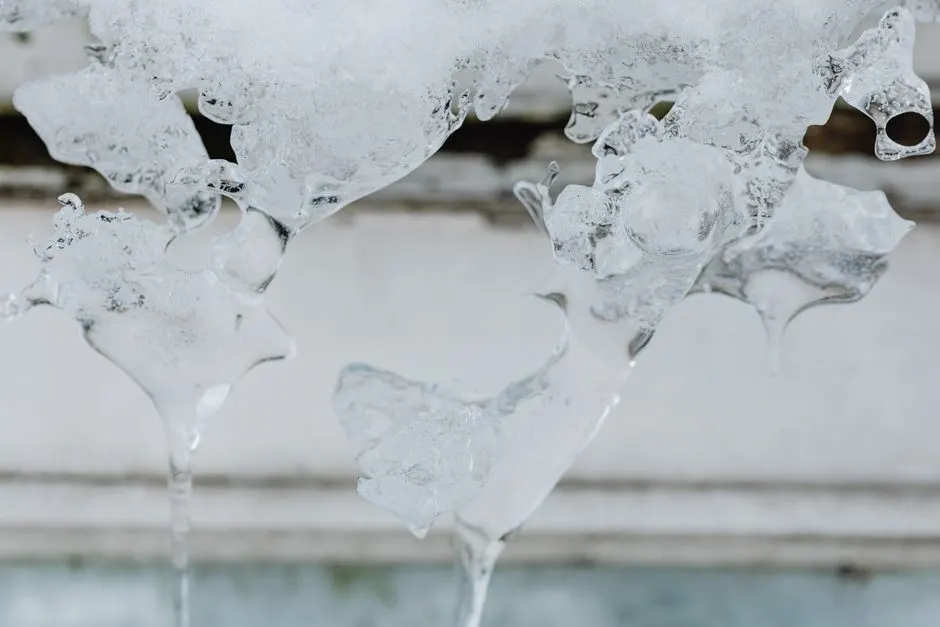
Camp Hill homes range from older borough houses to remodeled properties, apartments, and houses with finished basements or later additions. Frozen plumbing often starts in a garage, an exterior-wall cavity, an unheated basement corner, or a utility space that does not receive enough warmth. We help you identify the affected fixture, locate the shutoff, and determine whether the pipe is blocked or already cracked. Our residential frozen pipe repair includes controlled thawing, leak checks, replacement of damaged sections, and pressure testing. If a leak has wet drywall or flooring, we address the plumbing source first and identify the affected area for water damage mitigation. We explain what we found in plain language and help you prioritize the next repair.
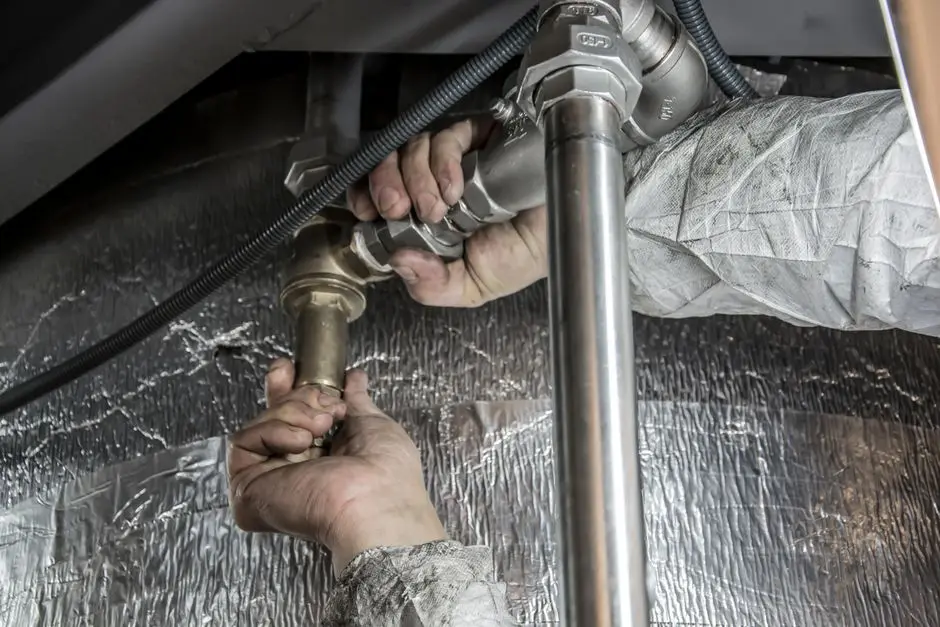
- Home emergency pipe thawing — We restore flow to frozen household lines in Camp Hill by locating the cold section and applying controlled heat. Before thawing, we check the pipe for visible damage and identify the shutoff. Once water returns, we inspect the line and joints so a hidden split does not turn into a basement leak.
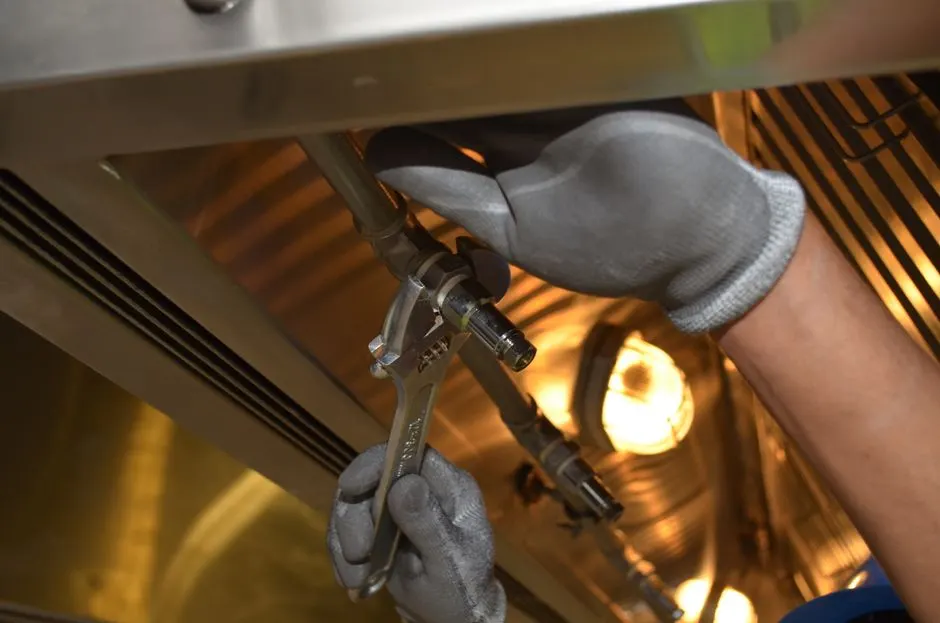
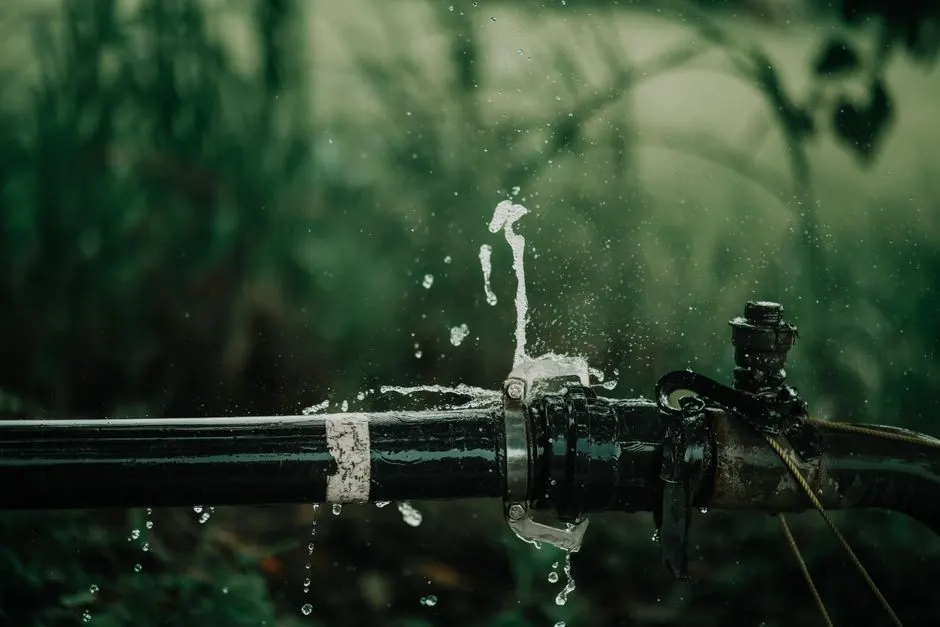
- Residential burst pipe repair — If a frozen pipe has split, we stop the water, remove the damaged section, and install a compatible repair. Camp Hill homes with finished basements receive careful access planning and a leak check after the line is pressurized. We also point out nearby moisture that needs drying.
- Frozen pipe leak location — A stain may appear below or away from the actual pipe, especially in a finished Camp Hill basement. We inspect accessible plumbing and use moisture readings to narrow the source before opening a surface. Finding the leak first helps keep the repair focused and avoids patching symptoms.
- Cold-weather pipe protection — We identify exposed pipe sections and discuss practical protection for your Camp Hill home before winter. That can include suitable pipe insulation, sealing a draft path, or keeping vulnerable rooms heated. Prevention recommendations match the pipe route and avoid covering a fitting that still needs inspection.