


Residential Frozen Pipe Repair in West Reading
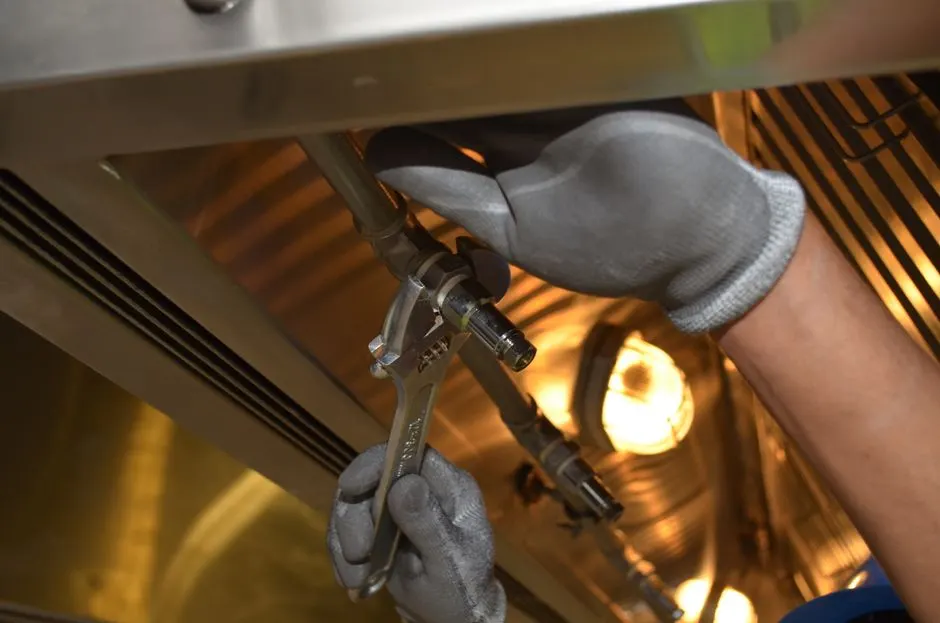
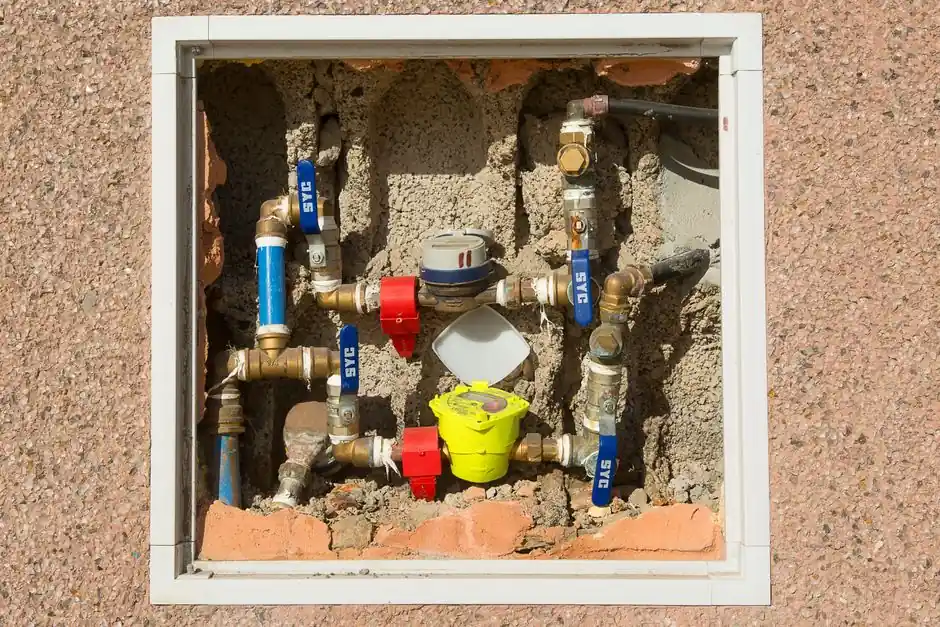
West Reading homes include older detached and attached houses, rentals, and multi-unit properties, each with a different route from the water entry to kitchens, baths, and laundry areas. During a hard freeze, an exposed basement run or a pipe near an exterior wall can lose flow while the rest of the home still works. We trace the affected fixtures, thaw the line safely, and look for a split as water returns. If frozen pipe leak repair is needed, we isolate the damaged section and test the replacement before restoring normal use. We also help homeowners identify pipe areas that should be insulated before the next cold stretch. For an active leak, stopping the water source comes first; protecting floors and stored belongings follows.
- Home pipe thaw and flow check — We restore water to West Reading homes by locating the frozen branch, thawing it carefully, and checking the line as flow returns. If only one fixture is affected, we trace its supply before disturbing walls or cabinets. The visit ends with a leak check at the exposed section and confirmation that the fixture operates.
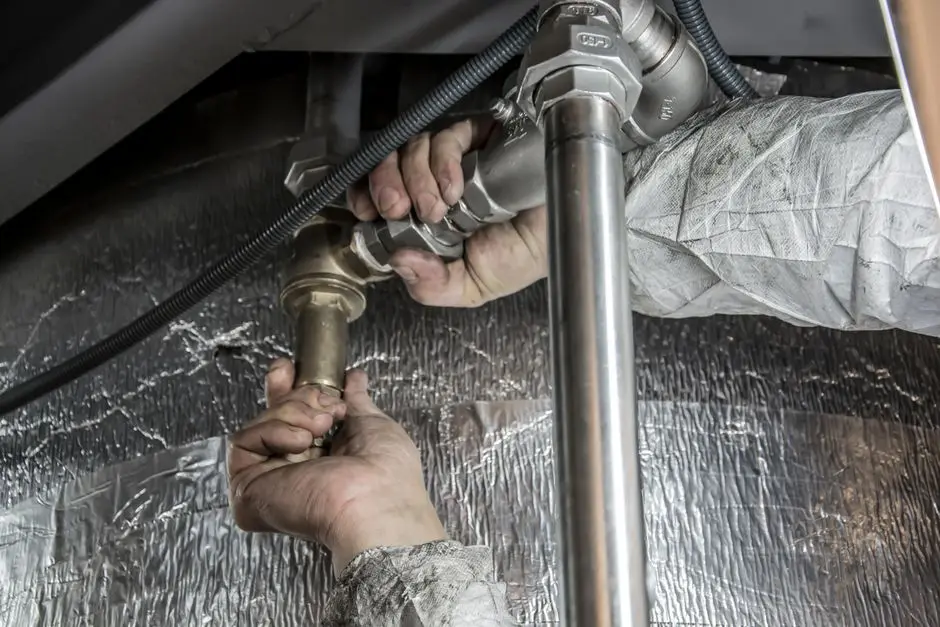
- Burst pipe section replacement — When a West Reading home's pipe has split, we isolate the supply, remove the damaged section, and fit a compatible replacement. We protect the surrounding floor and stored items, restore pressure in stages, and inspect nearby joints. If the leak reached finished surfaces, we identify what was wetted after the plumbing source is stopped.
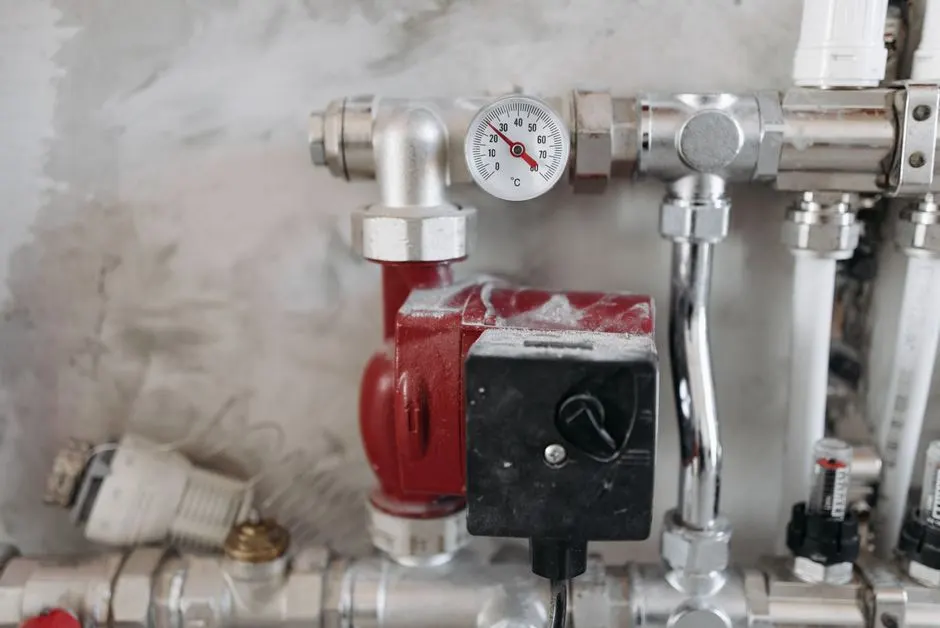
- Frozen line inspection — A single dry tap does not always mean the pipe is frozen; a valve or hidden leak can cause similar symptoms. In West Reading, we compare affected fixtures, inspect accessible pipe runs, and check for temperature differences. This focused inspection helps you avoid unnecessary work and points to the right repair.
- Repeat-freeze prevention review — If the same West Reading pipe freezes repeatedly, we look at its location, surrounding temperature, and existing insulation after restoring service. We identify practical corrections for the exposed area and check whether nearby access is adequate for future inspection. Addressing the vulnerable section reduces the chance of another no-flow call.