Logo
Get Estimate

Water Damage Mitigation in Pennsylvania for Safer Homes

Stop spreading water and protect your home after a pipe failure


Water Damage Mitigation in Pennsylvania helps homeowners and property managers limit damage after a frozen pipe, plumbing leak, or sudden water release. We locate the source, stop active water, remove standing water, and dry affected areas with equipment matched to the materials involved. If you find a wet ceiling, soaked flooring, or water near electrical fixtures, call promptly; moisture can move behind walls before visible damage tells the full story.

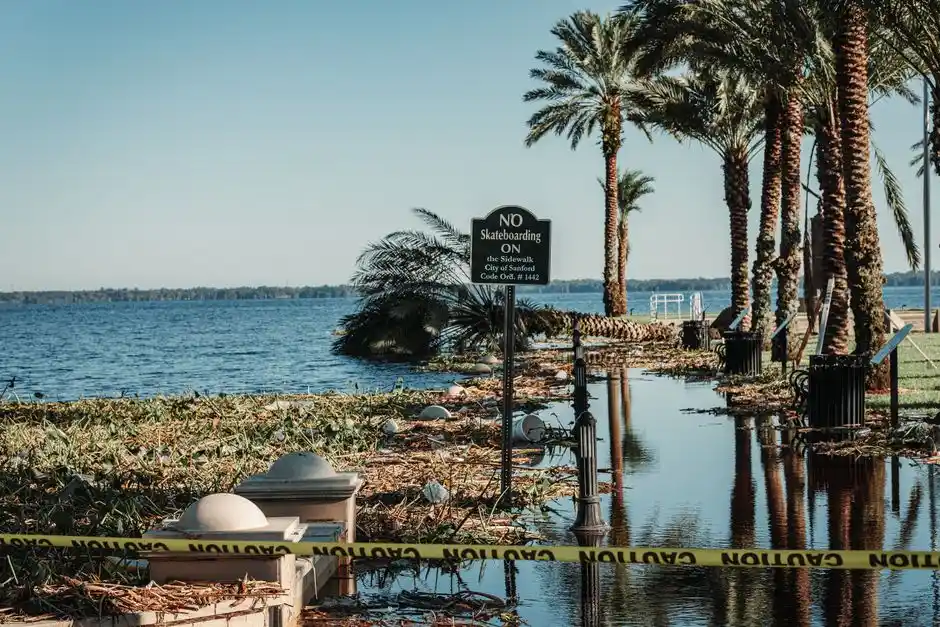
A flooded pathway with caution tape and palm trees by a lake in Sanford, Florida.
Licensed Licensed & Bonded
Fully Insured Insured & Bonded
24/7 Emergency Same-Day Response
Warranty Backed Workmanship Guaranteed

What Water Damage Mitigation Includes

Our mitigation work addresses active water entry and the wet materials left behind. We locate and isolate the source, remove accessible standing water, check moisture in affected areas, and set a drying approach based on what is wet. If the pipe itself needs repair, we coordinate that plumbing work. Rebuilding, finish replacement, and unrelated plumbing upgrades are separate work, and we explain the next steps plainly before you decide how to proceed.

Leak Source Assessment

We inspect the plumbing failure and surrounding area to determine whether water is still entering. That includes checking the visible pipe, fittings, nearby surfaces, and rooms below or beside the leak. Finding the source first prevents drying work from being undermined by continued flow.
Standing Water Removal

We extract accessible pooled water from affected floors and low areas before setting drying equipment. Removing bulk water reduces the moisture load on flooring and nearby materials. We also identify areas where water may have traveled beneath trim or into adjoining spaces.

Moisture Mapping

We take readings at affected materials and compare them during follow-up checks. This helps distinguish a surface stain from a deeper moisture concern and guides equipment placement. You receive a clear explanation of which areas were checked and what the readings indicate.

Targeted Drying Setup

We position drying equipment to move air across wet materials and support moisture removal. Placement depends on the room layout, material type, and access, not simply on the size of the puddle. We explain safe clearance around equipment and what to expect while it runs.

Plumbing Coordination

When a pipe or fitting has failed, we coordinate source repair and mitigation so water stops before drying is treated as complete. We check the repaired line for leaks and discuss any permit or inspection requirements that apply to the plumbing work.

Water Damage Mitigation in Pennsylvania Explained


Water Damage Mitigation in Pennsylvania is an emergency property-protection service that stops active water intrusion, removes water, and dries affected building materials after a plumbing failure. We first control the source, then map moisture in floors, walls, and ceilings before setting extraction and drying equipment. A moisture meter helps track readings over time; an infrared thermal camera can identify suspicious temperature patterns that warrant closer inspection. We document affected areas and explain what needs immediate attention, so you can make practical decisions instead of guessing from surface stains.

Cold snaps, freeze-thaw cycles, and vacant or poorly heated spaces put supply lines at risk across Pennsylvania. A pin-hole leak under a sink can soak a cabinet slowly, while a burst pipe above a finished ceiling may release gallons before anyone notices. Our water damage reduction service Pennsylvania response connects plumbing source control with water removal and drying. For water damage mitigation after a frozen pipe breaks Pennsylvania homeowners should act quickly: shut off the nearest safe valve and call for help.

What to Expect During Service

Water Damage Mitigation in Pennsylvania follows a practical sequence: stop the water, assess the spread, remove moisture, and verify drying. We explain each stage as we work so you know what is happening in your home and what needs attention next.

01

Schedule

Call or book online — a real human picks up and confirms a 2-hour arrival window.

02

Diagnose

Licensed tech inspects on-site, then walks you through the cause and your options.

03

Fix

The job is completed to code and done right the first time — no shortcuts, no surprises.

04

Guarantee

Every job backed by a written workmanship warranty — and we stand behind it.

Tools and Drying Methods

Tools & Equipment

Moisture meter

We measure moisture in affected building materials and compare readings during follow-up checks. The results help identify wet areas beyond visible stains and guide drying equipment placement.

Infrared thermal camera

We use temperature patterns to flag areas that need closer inspection, then confirm concerns with moisture readings. It helps guide a targeted search without treating every cool surface as a leak.

Acoustic leak detector

We use listening equipment to help locate hidden plumbing leaks when the source is not visible. Narrowing the likely leak area helps us focus inspection and reduce unnecessary disturbance.

RIDGID inspection camera

An inspection camera helps us view accessible pipe interiors or concealed spaces where direct sight is limited. We use the view to support diagnosis and determine a practical repair route.

Pipe thawing machine

Controlled thawing equipment restores flow through a frozen pipe while reducing reliance on unsafe open-flame heating. We first assess the line and monitor the thaw for signs of leakage or failure.

Methods & Standards

Source-first mitigation

We control the plumbing source before treating drying as the main task. The sequence is isolation, leak assessment, repair coordination, extraction, and material drying. This prevents a continuing leak from replenishing water in a room while equipment is running.

Measured moisture tracking

We record moisture at affected points, then repeat checks as drying progresses. Readings help show whether flooring, wall edges, or cabinet materials are responding. If a location remains wet, we adjust the drying approach or explain why further access is needed.

Code-aware plumbing coordination

Plumbing repairs are performed with applicable Pennsylvania plumbing contractor registration, municipal permits, and inspections considered where required. We account for relevant provisions of the International Plumbing Code and Uniform Construction Code so source repairs and mitigation are coordinated responsibly.

Material-specific drying

We match airflow and drying attention to the material and its location. A wet floor edge, cabinet base, and ceiling cavity do not dry identically. We check access, moisture readings, and equipment safety, then adjust the setup as conditions change.

When to Call for Mitigation

01

A pipe bursts above a finished room and water begins dripping through a light fixture or ceiling seam.

What we do: Shut off the supply if you can reach the valve safely, then call us. We help control the plumbing source, assess electrical and ceiling concerns, remove accessible water, and check adjacent rooms. We target drying after the leak is stopped and explain what requires follow-up.

→ You get a clear first response, less ongoing water entry, and a documented view of the affected materials before hidden moisture is overlooked.

02

A basement supply pipe freezes overnight, then releases water across the floor as temperatures rise.

What we do: We inspect the affected line, isolate any split section, and determine how far water traveled across the basement. We extract standing water and check floor edges, stored items, and nearby wall materials. Drying equipment is placed according to the moisture found.

→ The source and wet area are handled together, reducing the chance that water remains hidden behind stored belongings or along baseboards.

03

A small leak under a kitchen sink has dampened cabinet flooring and the wall beside the plumbing.

What we do: We locate the leak at the valve, connection, or pipe, then stop the water and assess the cabinet base and adjacent surfaces. After repair, we remove accessible water and track drying readings. We explain whether the cabinet material is responding or needs additional attention.

→ You know whether the wet cabinet can be dried and which surrounding materials need continued monitoring or repair.

04

A vacant property loses heat during a cold spell and a frozen water line ruptures before anyone checks the building.

What we do: We locate the damaged line, stop the flow, and inspect the rooms and lower levels where water may have traveled. Our team removes pooled water, maps affected materials, and sets a practical drying plan. We also check the repaired line before water service is restored.

→ The property receives coordinated leak control and mitigation, with affected rooms identified for drying and follow-up rather than assessed by appearance alone.

How Mitigation Works Across Pennsylvania

Water Damage Mitigation in Pennsylvania has to account for sharp winter cold, wind exposure, and buildings with very different plumbing layouts. In October, we prepare for the coming freeze season by helping homeowners address vulnerable lines before repeated cold nights arrive; during winter, a pipe can freeze in an exterior wall, basement, crawl space, or vacant property. Older homes may have copper tubing or galvanized steel pipe, while renovated areas can include newer materials and concealed connections. We inspect what is present rather than assuming one system fits every property. Our water damage reduction service Pennsylvania response begins with the leak source, then checks how water traveled through floors, ceilings, and wall cavities. We use applicable Pennsylvania plumbing contractor registration and municipal permit and inspection requirements when plumbing work calls for them, alongside relevant code provisions. For emergency water damage response for burst pipes in Pennsylvania, we coordinate isolation, extraction, and drying based on the actual wet area. Whether you are in a dense row home, a detached house, or a multi-unit building, we explain access needs and keep the response focused on stopping water and measuring progress.

Neighborhoods We Serve

  • Wilkinsburg

    Older homes can have concealed supply runs and finished basements. We check the room below a leak as well as the visible plumbing area, since water may travel along framing before appearing.

  • Munhall

    In homes with utility spaces near exterior walls, cold exposure can affect supply lines during prolonged freezes. We inspect the pipe route and nearby flooring after source control.

  • Conshohocken

    Multi-level homes and finished lower levels can allow water to travel between floors. We look beneath the leak and check adjacent rooms instead of limiting mitigation to the first stain.

  • State College

    A vacant or lightly heated property can be vulnerable during winter breaks. We focus on confirming the line is isolated and checking lower-level areas where thawing water can collect.

Local Conditions We Plan For

  • Repeated freeze-thaw cycles stress exposed supply lines and fittings

    A pipe can appear intact while frozen, then leak as ice melts or pressure changes. We inspect the affected run and nearby connections, stop active flow, and check materials below the line for water that appeared during thawing.

  • Older plumbing and later renovations create mixed pipe layouts

    Different pipe materials and concealed repair points affect how we trace a leak and access a damaged section. We identify visible materials and route, then coordinate the plumbing repair with mitigation rather than applying a generic plan.

  • Finished basements conceal water along wall and floor edges

    Water may collect behind stored belongings or under trim before it becomes obvious. We check these edges after extraction and use moisture readings to guide drying, helping you identify areas that need continued attention.

Basement Pipe Release Contained

Before

A split supply line released water across a basement floor during a cold spell. The homeowner had shut off the main valve, but water remained beneath storage shelves and along the wall edge. The pipe location was clear; the extent of moisture in nearby materials was not.

After

We isolated the damaged section, removed standing water, and checked the floor perimeter and lower wall. Moisture readings were recorded at affected points and reviewed during drying. The homeowner could see which areas improved and which needed continued attention before stored items returned to the room.

Maintenance: Keep basement storage at least several inches off the floor and maintain heat near vulnerable plumbing. Check exposed lines before prolonged cold weather, and call promptly if water flow drops or a pipe begins leaking.

Before

A slow leak beneath the sink dampened the cabinet base and the flooring beside it. The surface looked mostly dry, but the cabinet had begun to swell and a musty smell lingered. The homeowner needed the leak fixed and the hidden wet area assessed.

After

We found the leaking connection, stopped the water, and checked the cabinet base, floor edge, and adjacent wall. Accessible water was removed, and readings guided the drying setup. The source repair and mitigation were handled as connected tasks, with follow-up focused on measured material conditions.

Maintenance: Check supply connections and cabinet bases after plumbing work or a freeze. Keep the cabinet clear until the area is dry, and watch for fresh swelling, discoloration, or renewed dampness around the pipe.

Before

Water appeared as a small ceiling stain below an upstairs plumbing line. The stain seemed limited, but the homeowner could not tell whether water had reached the ceiling cavity or nearby wall. The leak source also needed to be isolated before drying could be effective.

After

We traced the leak to the plumbing above, controlled the source, and checked the ceiling and adjoining wall for moisture. Water was removed where accessible, and repeat readings tracked drying progress. The homeowner received a clear outline of the affected area and remaining restoration needs.

Maintenance: After a ceiling leak, keep furniture clear of the area and monitor for new staining or soft spots. Have the plumbing source checked before repainting; a fresh stain can indicate the leak has not been fully controlled.

Reduce Water Damage from a Leaking Pipe

Water from a small plumbing failure can spread behind cabinets, under flooring, or through a ceiling before you see a large stain. We find the source, stop ongoing flow, and address the wet area with measured extraction and drying. Acting early helps reduce water damage from a leaking pipe in a home and gives you a clearer path to repair.

Problem

A burst pipe keeps soaking the same room after the initial cleanup

If water continues entering, flooring and wall cavities stay wet even after visible puddles disappear, increasing the area that needs drying or repair.

Our Fix

We isolate the damaged line and confirm the water source is controlled before focusing on extraction. Then we check nearby materials for moisture and place drying equipment where readings show it is needed. If the pipe requires repair, we coordinate that work so the wet area is not repeatedly exposed.

Problem

A ceiling stain hides water trapped above the finished surface

Moisture can remain in the ceiling cavity and damage surrounding finishes, even when the visible stain is small or begins to dry.

Our Fix

We inspect the plumbing above the stain and check adjacent ceiling and wall areas for moisture. If the leak is active, we stop it first; then we remove accessible water and track drying. We explain whether the material can be dried in place or needs further access.

Problem

A thawed frozen line leaves water beneath stored items

Water hidden by boxes or shelving can remain against the floor and baseboards, delaying drying and damaging items left in contact with it.

Our Fix

We clear a path to the affected area, identify the pipe failure, and remove standing water. Our team checks exposed floor edges and nearby materials, then sets a targeted drying plan. We also help you identify items that should be moved away from the wet zone.

Problem

A slow leak swells cabinets before a puddle appears

Cabinet bases and nearby flooring can absorb water over time, making the visible damage look smaller than the affected area actually is.

Our Fix

We trace the leak around the supply connection and inspect cabinet edges, flooring, and the adjoining wall. After the source is repaired, we check moisture levels and remove water where accessible. This approach addresses the hidden wet area instead of stopping at the first visible mark.

Protect Your Home and Belongings

Protect Your Home and Belongings

Water intrusion does more than leave a puddle; it can wick into trim, insulation, flooring, and wall cavities. We focus on the source and the wet materials together, giving you a clear response plan and measurable drying progress. Early action reduces the area affected and helps prevent a small plumbing failure from becoming a larger repair.

  • Limit Moisture Spread

    We extract standing water and identify where it traveled, including beneath flooring and behind baseboards. That matters after a burst pipe because water can move beyond the room where the leak began. Our Pennsylvania water damage mitigation approach records moisture readings at affected points, then uses those measurements to guide drying rather than relying on touch or appearance.

  • Find Hidden Wet Areas

    A dry-looking wall can still hold moisture inside its cavity. We use inspection methods and moisture readings to check the surrounding area, helping you avoid leaving wet materials behind after visible water is gone. If a leak has crossed a ceiling or partition, we mark the affected zone and explain what can be dried in place and what requires further access.

  • Coordinate Pipe and Drying Work

    Water removal alone does not repair the plumbing failure. We coordinate source control with drying so the same area is not repeatedly soaked while equipment is running. If a frozen line split at a fitting, we address the leak, inspect nearby connections, and then focus mitigation on floors, cabinets, and adjacent rooms.

  • Track Drying Progress

    Drying is confirmed with repeat readings, not a guess based on a warm room. We check affected materials during the work and adjust airflow or equipment placement when readings remain elevated. You see what changed and what remains, with practical next steps for restoring the area after mitigation is complete.

Standards and Service Proof

Licensed & Certified

  • Pennsylvania plumbing contractor registration where applicable — issued by Commonwealth of Pennsylvania
  • Municipal plumbing permits and inspections where required — issued by Applicable municipal authorities
  • OSHA safety requirements for jobsite work — issued by Occupational Safety and Health Administration
  • EPA Lead Renovation, Repair and Painting Rule when applicable — issued by U.S. Environmental Protection Agency

Verified Reviews

Customer feedback Not stated

A homeowner described a burst pipe in a finished basement and said the crew stopped the water, extracted the puddle, and checked the wall edge with a moisture meter. The clear explanation of what was wet helped the family decide what to move and what needed continued drying.

Customer feedback Not stated

A property owner reported a leak beneath a kitchen sink. The team traced the connection, repaired the source, and checked the cabinet base and nearby floor rather than leaving the damp area to dry on its own. The owner appreciated the practical follow-up guidance.

Customer feedback Not stated

After a frozen line thawed, a homeowner said the crew isolated the damaged section and assessed water in the utility room. The technician explained equipment placement and kept the drying checks focused on recorded moisture readings.

Practical Plumbing and Drying Expertise

Our team handles water intrusion with the plumbing failure in view, because drying cannot succeed if water is still entering the building. We inspect frozen water supply pipes, damaged fittings, hidden plumbing leaks, and water damage from thawing or ruptured pipes. Work involving plumbing is approached with applicable Pennsylvania plumbing contractor registration, municipal permits, and inspections where required. We also consider the International Plumbing Code and Uniform Construction Code as applicable to the repair and property. You get a clear explanation of source control, affected materials, and drying progress rather than a one-size-fits-all equipment setup.

  • We trace leaks through finished spaces and check adjacent rooms where water may travel below floors or behind trim.
  • Our technicians use moisture readings to document the condition before drying and to compare progress during follow-up checks.
  • We assess copper tubing, PEX tubing, and other visible supply materials when locating the failed point or nearby vulnerable fittings.
  • Where plumbing repairs require permits or inspection, we account for municipal requirements and applicable Pennsylvania code provisions.
  • We separate immediate water control from later rebuilding so you can prioritize safety, drying, and restoration in the right order.
Get Started Today
Practical Plumbing and Drying Expertise

Cities We Serve Across Pennsylvania

Our statewide coverage brings Water Damage Mitigation to communities with different housing styles, weather exposure, and plumbing layouts. We coordinate source control, water removal, and drying for both isolated leaks and larger burst-pipe events. Our water damage cleanup after a burst pipe approach is adjusted to the property: a basement release needs different checks from a ceiling leak in a multi-level home. We serve the cities below and surrounding communities across Pennsylvania.

State College

We address burst-pipe water in homes and rental properties, checking lower levels and adjoining rooms after the source is stopped. Readings guide drying so hidden moisture is not missed.

Hazleton

Cold-weather pipe failures can leave water in basements and utility areas. We isolate the leak, remove standing water, and check nearby materials before setting a targeted drying plan.

New Castle

For plumbing leaks in finished rooms, we trace the source and inspect the areas below and beside it. Mitigation focuses on removing water and monitoring affected flooring or wall edges.

Fullerton

We coordinate leak control with extraction in homes where water has reached cabinets, floors, or lower-level spaces. Moisture checks help show where drying needs to continue.

Wilkinsburg

Older housing can hide water behind trim or below finished floors. We inspect beyond the visible stain, stop active plumbing leaks, and explain the affected area before drying.

Bloomsburg

After a pipe rupture, we check both the leak room and connected spaces where water may travel. Our team removes accessible water and tracks moisture as materials dry.

Lower Burrell

We respond to plumbing leaks in basements, kitchens, and utility areas, pairing source control with water removal. The drying setup follows the materials and readings found on site.

Munhall

When water escapes from a frozen or split line, we isolate the plumbing and check nearby floor and wall surfaces. We focus drying on the measured wet area.

Croydon

We assess water from burst pipes and leaking connections, including areas beneath the visible leak. Extraction and repeat moisture checks help keep the response focused and verifiable.

Conshohocken

In multi-level homes, water can reach rooms below the plumbing failure. We inspect ceilings, adjoining walls, and flooring, then coordinate source repair and targeted drying.

Sanatoga

Our team handles water intrusion from plumbing failures by stopping active flow and removing pooled water. We check affected materials and explain the next drying steps clearly.

Old Forge

For a leak in a basement or finished ceiling, we look beyond the first visible stain. We control the plumbing source and use moisture checks to guide drying.

Castle Shannon

We coordinate pipe leak response with extraction and drying, checking nearby rooms after water enters finished areas. Your plan is based on the materials and moisture found.

Breinigsville

When a supply line leaks, we stop the source and assess water around cabinets, flooring, and utility spaces. Drying equipment is positioned according to the affected area.

Leola

We address water from burst or leaking plumbing by isolating the line, removing standing water, and checking adjacent surfaces. Follow-up readings help confirm drying progress.

Water Damage Mitigation FAQs

Real answers to the questions we hear most often from local homeowners and property managers.

What should I do about water damage from a burst pipe?
Shut off the water supply, avoid standing water near electrical equipment, and call for emergency help immediately. If you can reach the main valve safely, close it; then move valuables away from the wet area without walking through unsafe water. We locate the leak, stop active flow, extract water, and assess affected materials. Photograph visible damage for your records, but do not delay source control or drying to document every item.
How quickly should water damage mitigation begin in Pennsylvania?
Begin water damage mitigation as soon as the leak is controlled, ideally within the first 24 hours. Prompt extraction and drying reduce how long water sits in flooring, drywall, and insulation. We assess the affected area, remove standing water, and set a drying plan based on measured moisture. A large release or water near electrical systems needs immediate attention; do not wait for a stain to spread before calling.
Does water damage mitigation include drying wet materials?
Yes, mitigation includes drying affected materials that can be safely retained, with progress checked through repeat moisture readings. We remove standing water first, then position drying equipment for the wet floors, walls, or cabinets. Drying often takes 24 to 72 hours for a limited area, though the material and water volume affect the timeline. Material replacement and finish reconstruction are separate restoration tasks when drying cannot preserve them.
Who handles water damage after a frozen pipe leak?
A plumbing and mitigation team should stop the leak, remove water, and dry the affected building materials. We coordinate source control with water removal so a thawed or ruptured line does not keep soaking the same area. For water damage cleanup and mitigation near me in Pennsylvania, call us and describe the leak location, whether water is still flowing, and any electrical or ceiling concerns. We will guide the immediate next step.

Related Plumbing and Water Services

Emergency Frozen Pipe Repair

A frozen line can rupture as pressure builds or during thawing. We isolate the affected supply, inspect the failure, and repair the pipe so water stops entering your home. Mitigation can then address the floor, wall, or ceiling materials already exposed to moisture.

View Emergency Frozen Pipe Repair

Frozen Pipe Thawing

Controlled thawing restores water flow while reducing the risk of additional pipe stress. We assess the line before applying heat and monitor the process rather than using an open flame. If water has escaped, we pair source work with extraction and drying.

View Frozen Pipe Thawing

Burst Pipe Repair

A burst pipe needs prompt isolation and a durable repair, followed by a check for nearby wet areas. We address the plumbing failure and help limit water spread through floors and walls. Mitigation work focuses on removing water and tracking affected material moisture.

View Burst Pipe Repair

Frozen Pipe Leak Repair

A small leak after a freeze can continue wetting a cabinet, basement, or finished ceiling. We locate the damaged section, repair the line, and check adjacent areas for moisture. Early repair limits ongoing water entry before drying work proceeds.

View Frozen Pipe Leak Repair

Frozen Water Line Repair

Frozen water service lines can interrupt supply and create leaks when ice expands or melts. We inspect the accessible line, identify the damaged point, and restore service where repair is feasible. If water entered the property, mitigation addresses the resulting wet materials.

View Frozen Water Line Repair

Frozen Plumbing Pipe Repair

Interior plumbing in unheated spaces, exterior walls, and crawl areas is vulnerable during cold spells. We repair split pipe sections or damaged fittings, then test the line. Water removal and drying are coordinated when the failure has soaked nearby finishes.

View Frozen Plumbing Pipe Repair

Call for Water Damage Mitigation in Pennsylvania

A leaking or burst pipe can keep damaging your home after the visible water is gone. Our team coordinates plumbing source control with extraction and drying. Call now for direct help with the next step.

Call Now Call for Help

Contact Our Plumbing Team

If your water has stopped, a pipe is leaking, or thawing has exposed a crack, call Pennsylvania Frozen Pipe Pros at +12232730019. Our phone line is open 24/7 for urgent frozen and burst pipe calls across Pennsylvania. Tell us what you see and where the shutoff is; we will help you take the next safe step and arrange service.

Or call us right now at +12232730019 — we answer.

Pennsylvania Frozen Pipe Pros


  • Phone

    +12232730019
  • Address

    Pennsylvania

  • Hours

    Mon–Fri: 7AM – 7PM
    Sat: 8AM – 4PM
    Sun: Emergency Only
    24/7 Emergency Available

Call +12232730019 Get Quote
Call Quote