

Residential Frozen Pipe Repair in Souderton
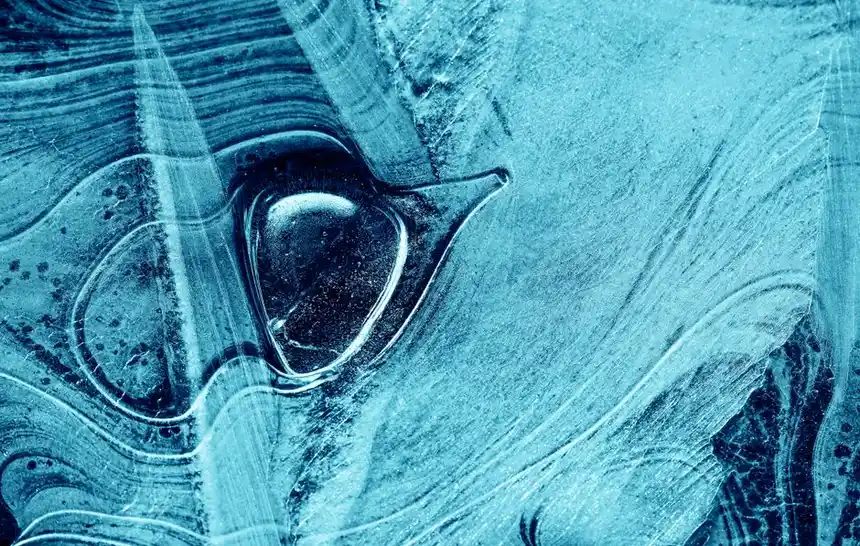
Souderton homes range from older borough houses with exposed basement lines to newer properties with plumbing routed through garages, additions, and exterior walls. When a kitchen faucet stops flowing or a basement fitting begins to drip, you need the source found before water spreads into flooring or finished rooms. We handle frozen pipe thawing, burst-pipe repair, leak detection, and water damage mitigation for homeowners and tenants. Our crew checks which fixtures still work, finds the affected run, and confirms the repair after water returns. If children, pets, or stored belongings share the work area, tell us where they are so we can keep the route and tools clear. Before leaving, we explain what failed and what protection makes sense for that particular pipe.
- Frozen kitchen and bath lines — If a kitchen or bathroom faucet stops flowing in your Souderton home, we compare nearby fixtures and trace the branch to find the cold section. We thaw it carefully, inspect the joints, and check the taps after flow returns. A single affected fixture often points to a localized line rather than a whole-house supply problem.
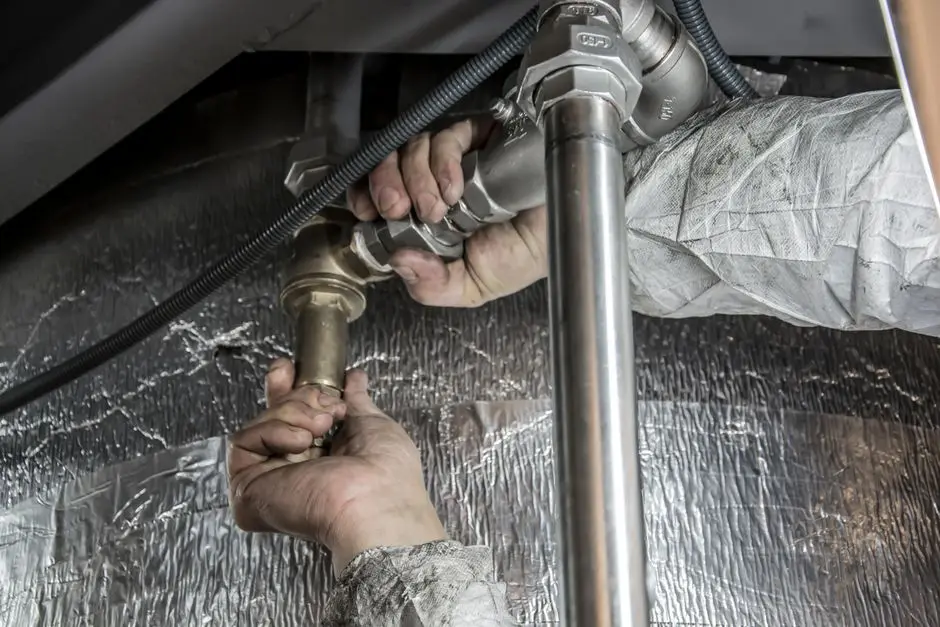
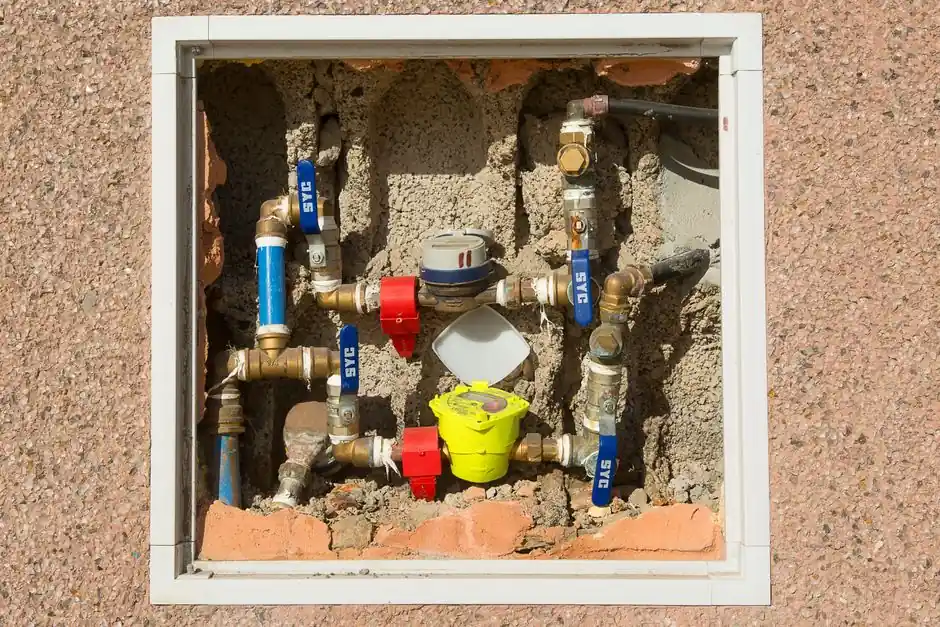
- Basement pipe thaw and repair — Basements in Souderton homes often expose water lines to drafts near windows or foundation walls. We inspect the accessible run, thaw it in controlled stages, and repair cracks or fittings revealed by the thaw. Afterward, we check for moisture and discuss insulation where the pipe remains exposed.
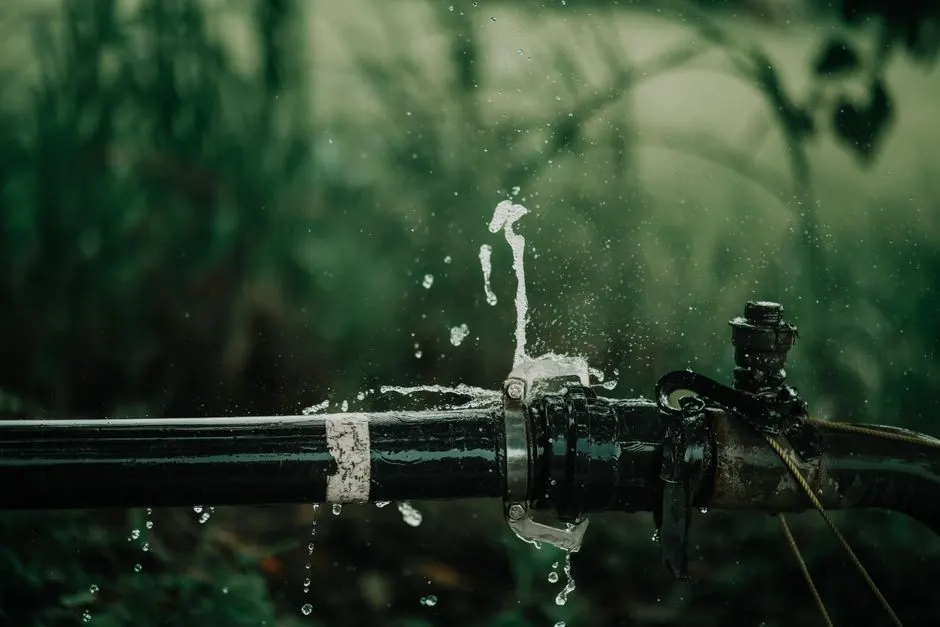
- Burst pipe and leak response — When a pipe splits, we isolate the water first and protect the immediate work area. Our team replaces the damaged segment with compatible fittings, restores water gradually, and checks for seepage. In finished basements, we focus inspection on the wet area before opening surfaces more widely.
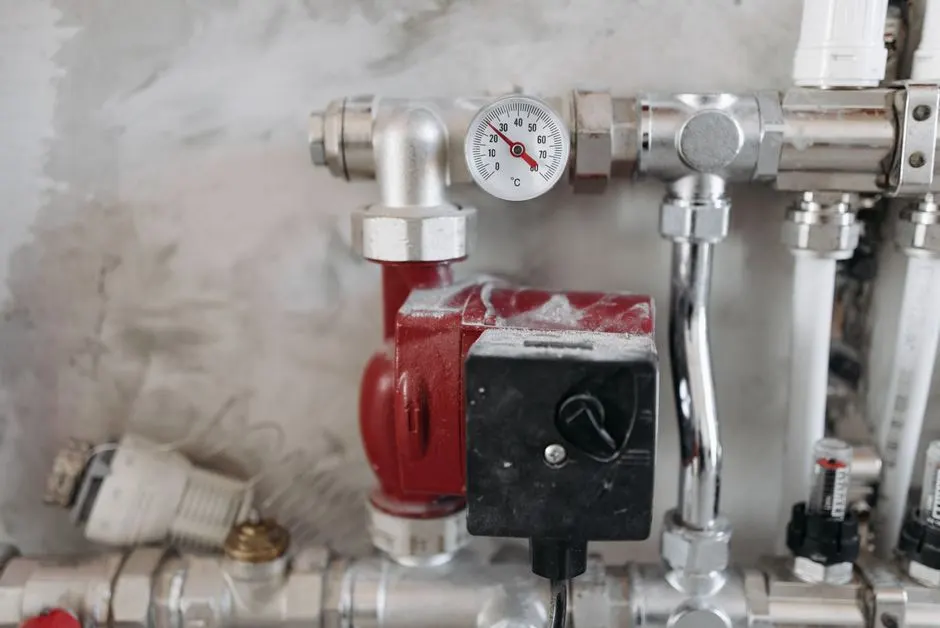
- Winter pipe protection review — After restoring service, we can point out the conditions that contributed to a freeze in your Souderton property, such as an exposed run or cold-air draft. We discuss pipe insulation and suitable heat protection for that location. The aim is to address a repeat risk, not just thaw the same line again.