Residential Frozen Pipe Repair for Phoenixville Homes
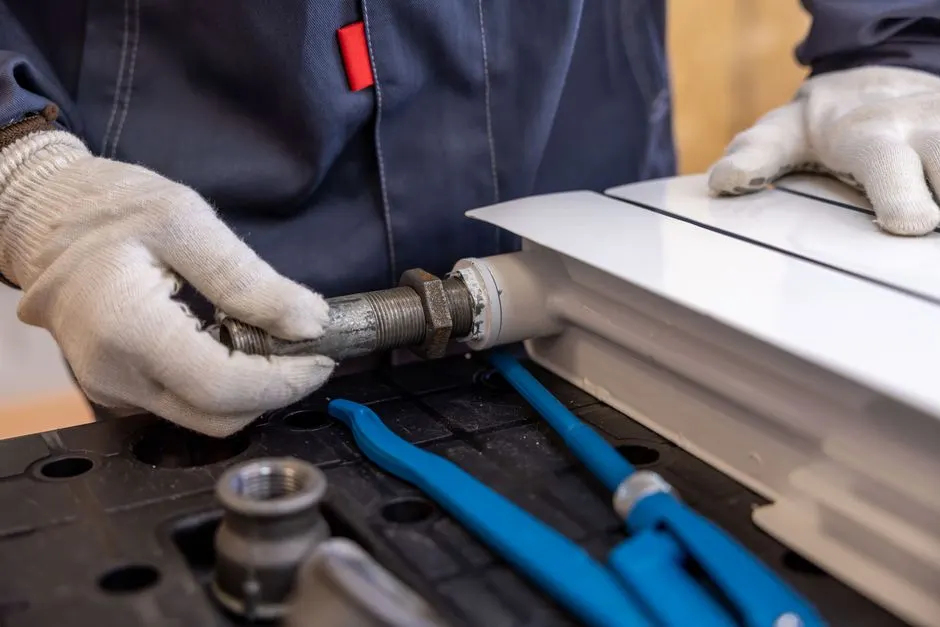
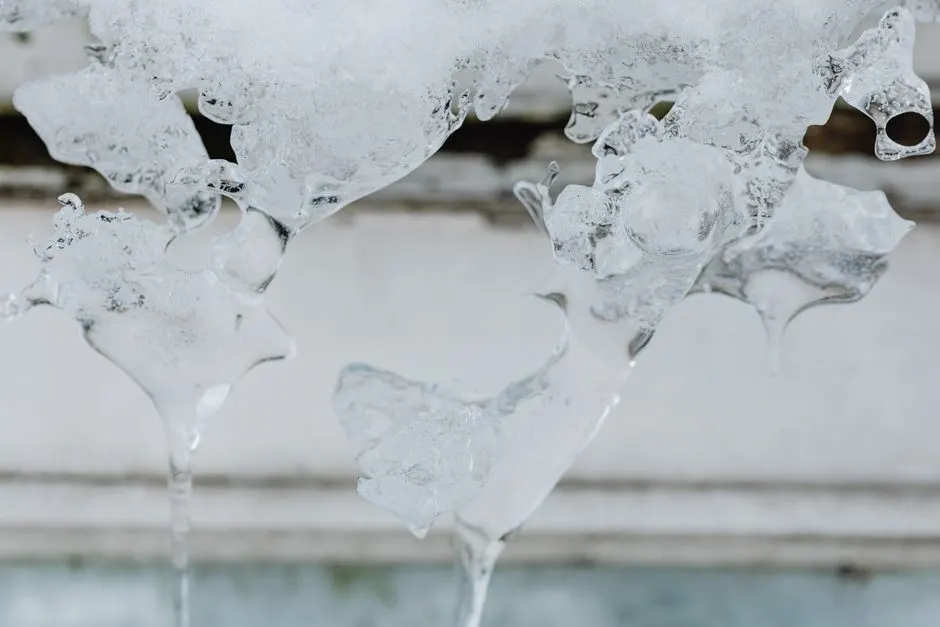
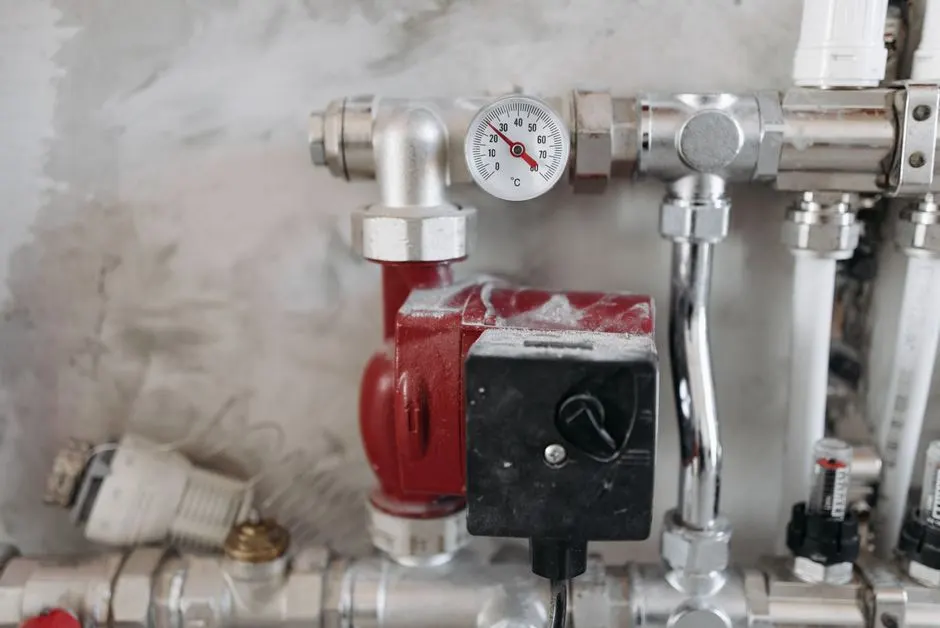
Phoenixville homes range from older borough properties with uninsulated basements to detached houses with garages and additions. That mix means a frozen line may sit behind a kitchen cabinet, along a basement wall, or in a colder utility space separate from the main living area. Our frozen pipe repair Phoenixville, Pennsylvania service restores water while checking for damage caused by expansion and thawing. We protect floors and nearby belongings, identify the pipe material, repair split sections, and test the line before leaving. If several fixtures stop at once, we trace the shared supply rather than treating each faucet as a separate fault. We also help you identify exposed runs that need insulation ahead of the next cold snap.
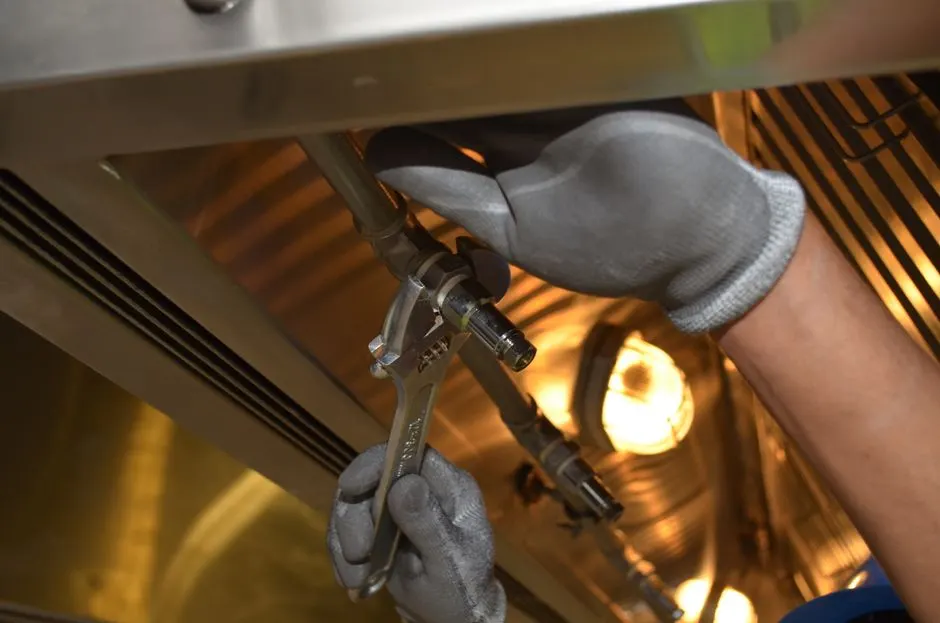
- Basement pipe thaw and repair — We inspect cold basement supply runs in Phoenixville homes, thaw the affected section gradually, and replace cracked pipe or fittings. After flow returns, we check nearby joints and confirm the repair under pressure. You get practical guidance on insulating exposed lines without blocking shutoffs or future inspection access.
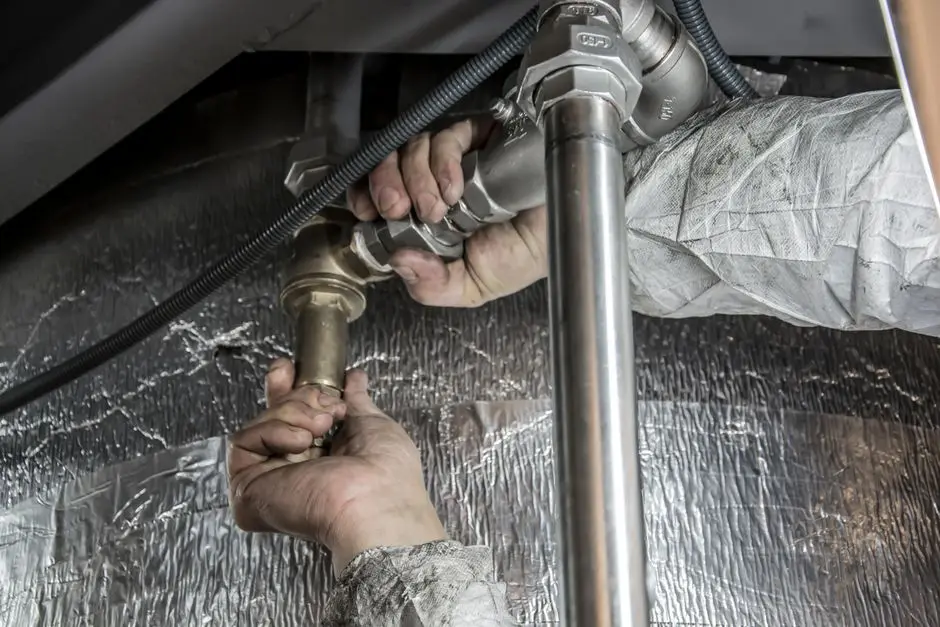
- Garage and addition line repair — Detached homes may have pipes in garages or additions that cool faster than the main house. We locate the frozen branch, stop leaks, and install compatible replacement sections. The completed line is tested so your laundry, sink, or other affected fixture is ready for normal use.
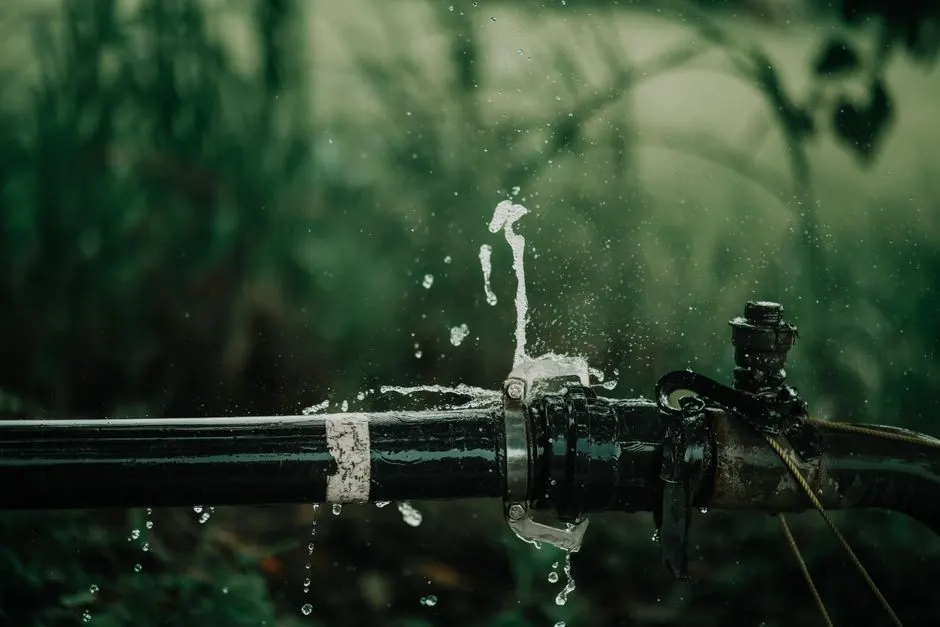
- Hidden leak detection after thaw — A pipe can split while frozen and begin leaking only after ice melts. We inspect the route around damp walls, ceilings, and basement framing, then isolate and repair the leak. Phoenixville homeowners get a focused diagnosis instead of an unnecessary broad search through finished rooms.
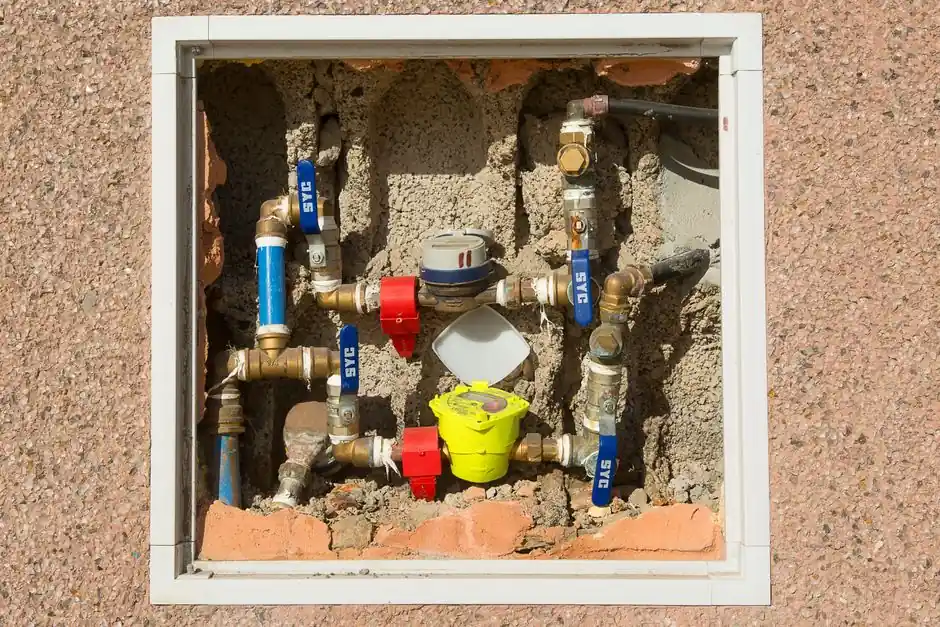
- Seasonal pipe protection checks — Before winter, we review accessible pipe runs in Phoenixville basements, garages, and additions for missing insulation or exposed fittings. We identify problem spots, check shutoff access, and explain practical next steps. Early preparation helps reduce the chance of a no-water call during a hard freeze.