



Residential Frozen Pipe Repair in Northwest Harborcreek
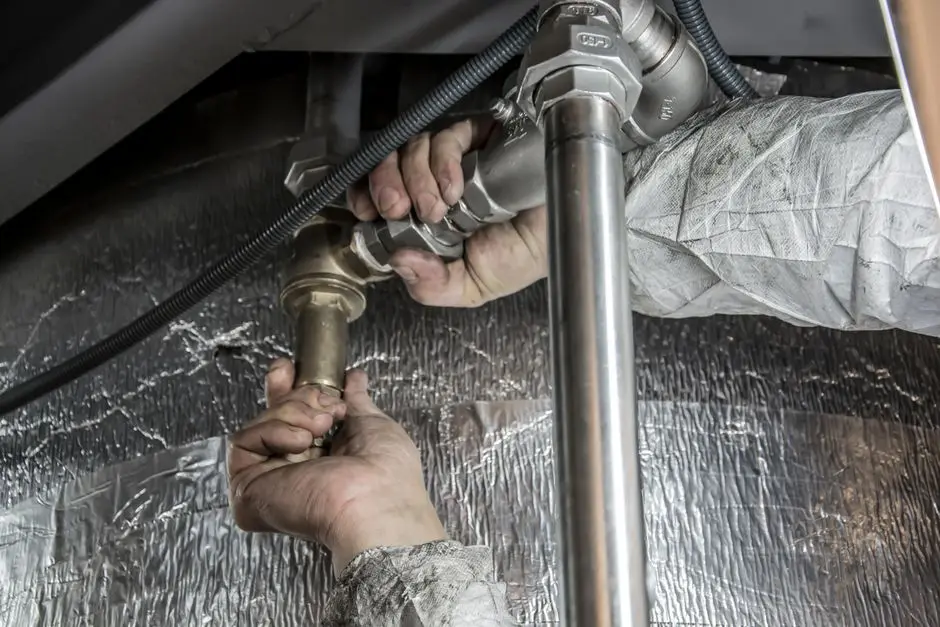
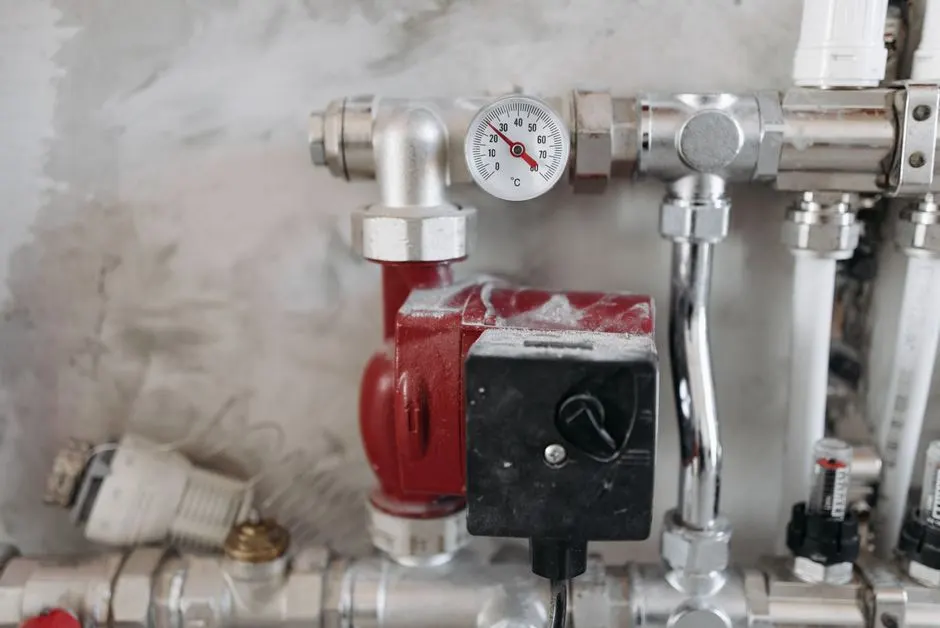
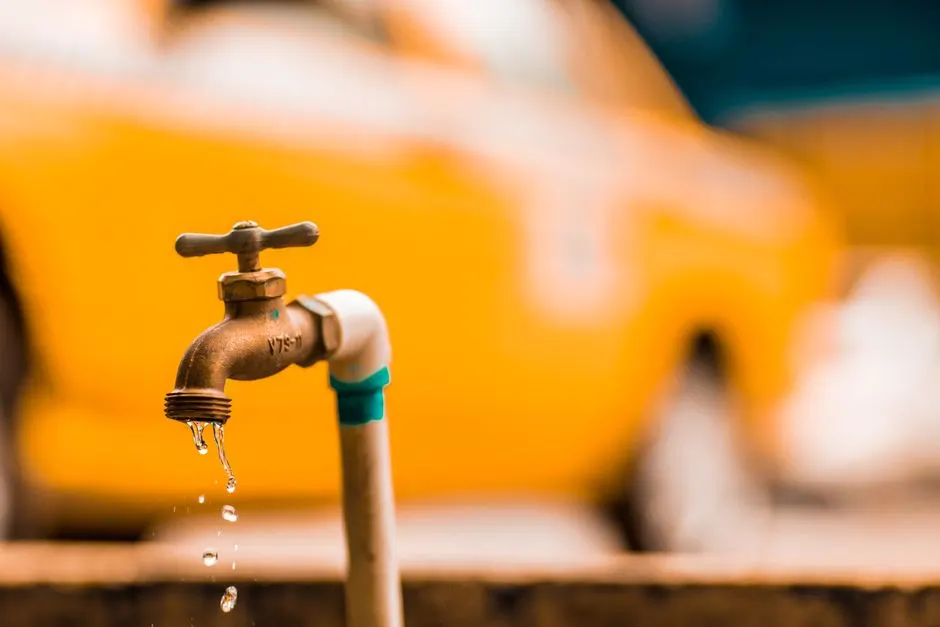
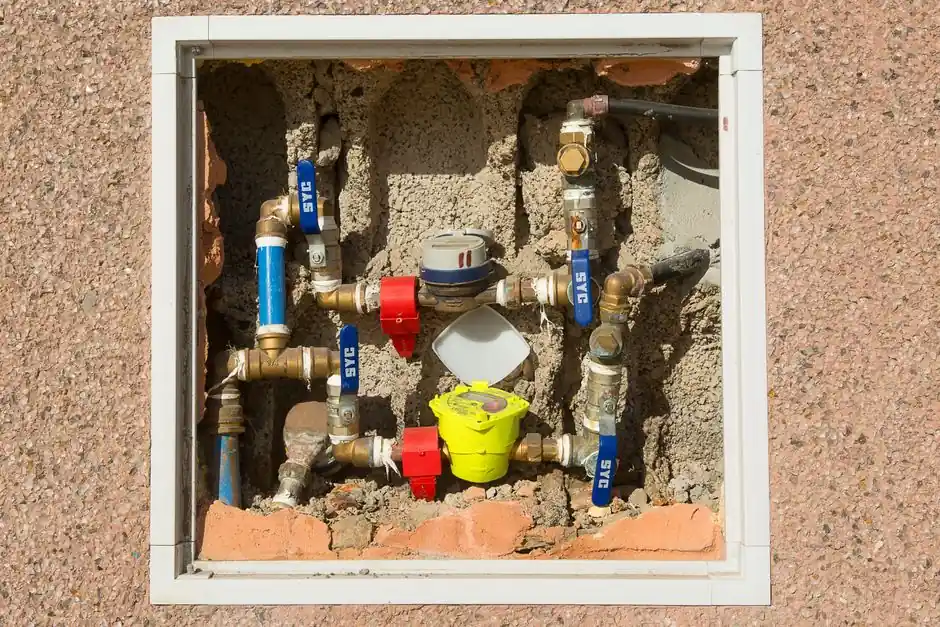
Northwest Harborcreek homes range from established houses with basements to newer construction, additions, and properties with detached garages or crawlspaces. In a cold spell, a pipe routed through an exterior wall or unheated utility area can freeze while the rest of the house remains comfortable. We locate the affected branch, thaw it carefully, and check for a split before restoring normal use. If a thaw exposes damage, we replace the failed section and test the repair. Frozen Pipe Repair is especially urgent when a family loses water to a kitchen, bathroom, or laundry area, or when a leak threatens finished floors and stored belongings. We also show you the shutoff and identify exposed pipe that needs protection before the next freeze.
- Home frozen line thawing — We thaw frozen supply lines in Northwest Harborcreek homes using controlled methods suited to the pipe and its location. Our crew checks accessible basement, garage, and cabinet routes first, then verifies water flow and looks for leaks. You get a clear explanation if the pipe needs replacement instead of another thaw.
- Burst pipe replacement — When a frozen pipe splits, we isolate the water and remove the damaged section in your Northwest Harborcreek home. We fit compatible replacement pipe and connections, restore supply, and test the repair. If water reached a ceiling or floor, we identify the affected area so mitigation can start promptly.
- Hidden leak inspection — Damp drywall or unexplained pressure loss can point to a hidden freeze-related leak. We inspect Northwest Harborcreek properties with visual checks and moisture readings, then narrow access to the likely source. Finding the failed pipe before opening a large area saves disruption and helps target the repair.
- Winter pipe protection review — If the same line freezes each winter, we review its location, insulation, and nearby heat conditions at your Northwest Harborcreek home. We point out vulnerable runs in garages, crawlspaces, and exterior walls, then discuss practical improvements. Prevention work is easier to plan before temperatures drop.