
Residential Frozen Pipe Repair in Jefferson Hills
Jefferson Hills homes include older houses with basement plumbing, newer subdivisions, and properties with additions or finished lower levels. That variety changes how a frozen pipe is found and repaired. A kitchen faucet with no flow may point to one branch, while a cold garage line can affect laundry or bathroom fixtures. Our team checks the main shutoff, identifies the pipe material, and looks for a split before thawing. We protect floors and stored belongings, then test the line under pressure. If you have repeated pipe freezing, we trace the exposed route and discuss insulation or heat-trace options that fit the property. The goal is to restore water and leave you with a clear understanding of the repair.
- Home emergency pipe thawing — We locate and thaw frozen residential lines in Jefferson Hills basements, garages, crawlspaces, and utility rooms. Before applying heat, we check accessible sections for cracks and isolate the water if leakage is active. Once flow returns, we run the affected fixture and inspect nearby joints so you know the line is holding.
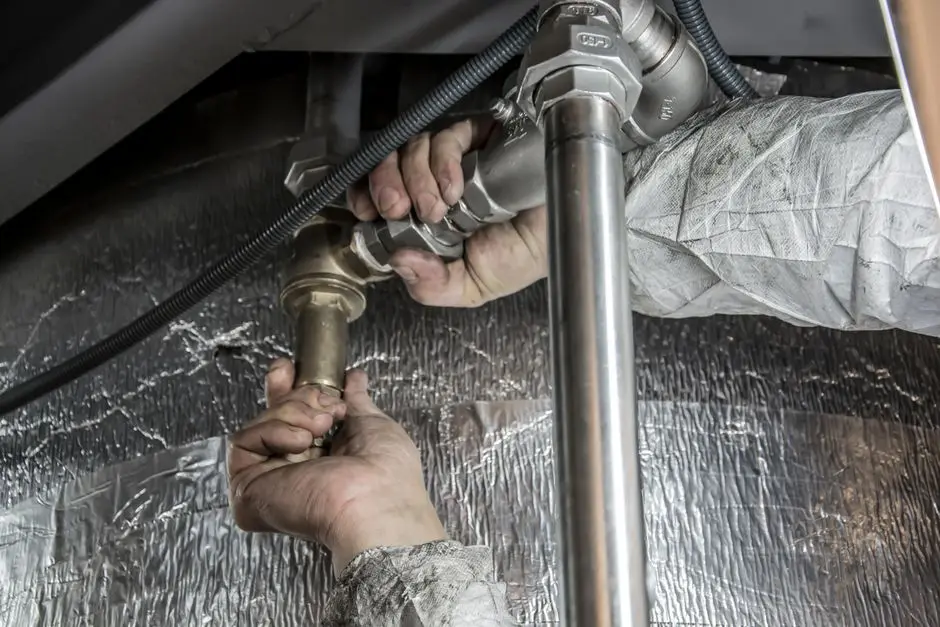
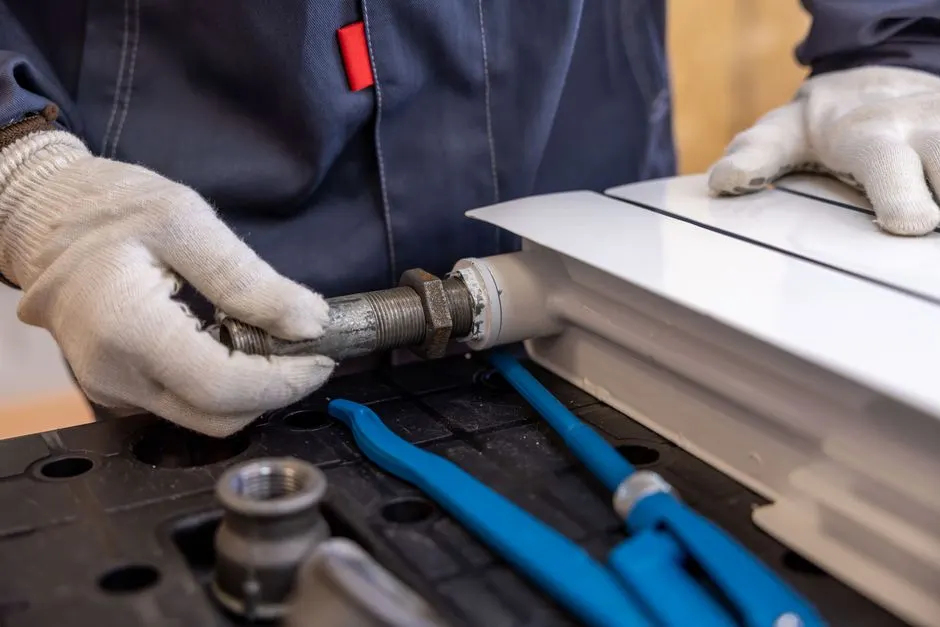
- Burst pipe section replacement — A split pipe can release water into finished rooms or stored basement areas. We shut off the supply, remove damaged material, and install a compatible replacement section in your Jefferson Hills home. We restore pressure gradually, check the repair, and identify any nearby pipe that shows stress.
- Hidden leak location and repair — A wet wall or ceiling does not always reveal where a frozen line cracked. We trace the plumbing route in Jefferson Hills homes, use moisture readings where useful, and limit opening to the area needed for access. After repair, we test the line before the space is closed.
- Winter pipe protection planning — If the same area freezes each winter, we inspect the pipe route and the conditions around it. In Jefferson Hills, that often means checking a garage, crawlspace, or exterior wall. We explain practical steps such as insulation, draft control, and maintaining safe heat.