
Residential Frozen Pipe Repair for Erie Homes
Erie homes range from older properties with basements to houses with utility lines near exterior walls and building entries. During a long cold spell, one frozen branch can stop water to a bathroom or kitchen; a split pipe can then wet a ceiling, cabinet, or stored items when the ice thaws. Our residential service begins by finding the affected section and protecting the home from further water release. We provide frozen plumbing services Erie, Pennsylvania residents can use for thawing, repair, leak detection, and water damage response. Tell us which fixtures stopped working and where you last saw water. We will inspect the route, identify the pipe material, make the repair, and test the line before normal use resumes.
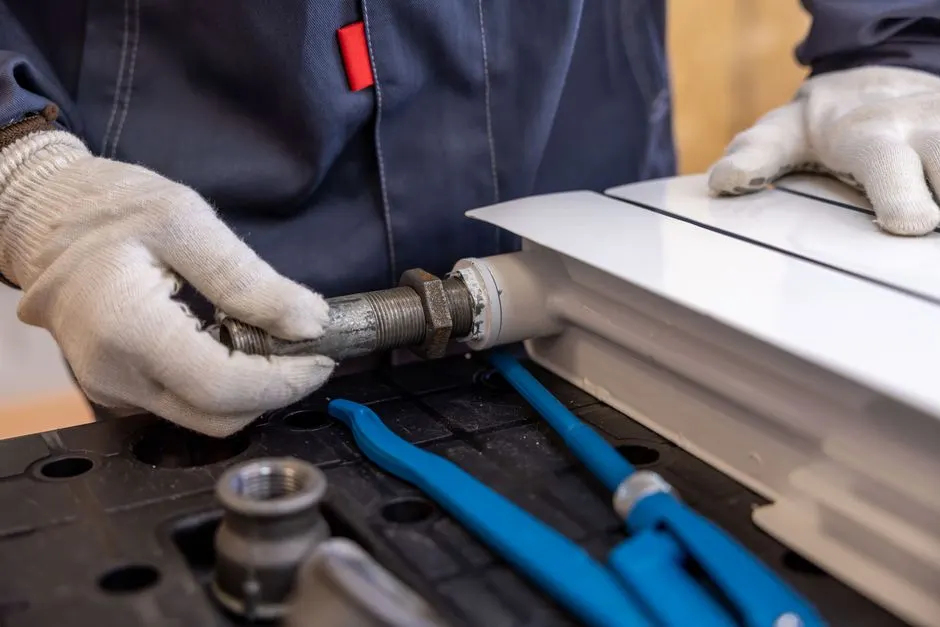
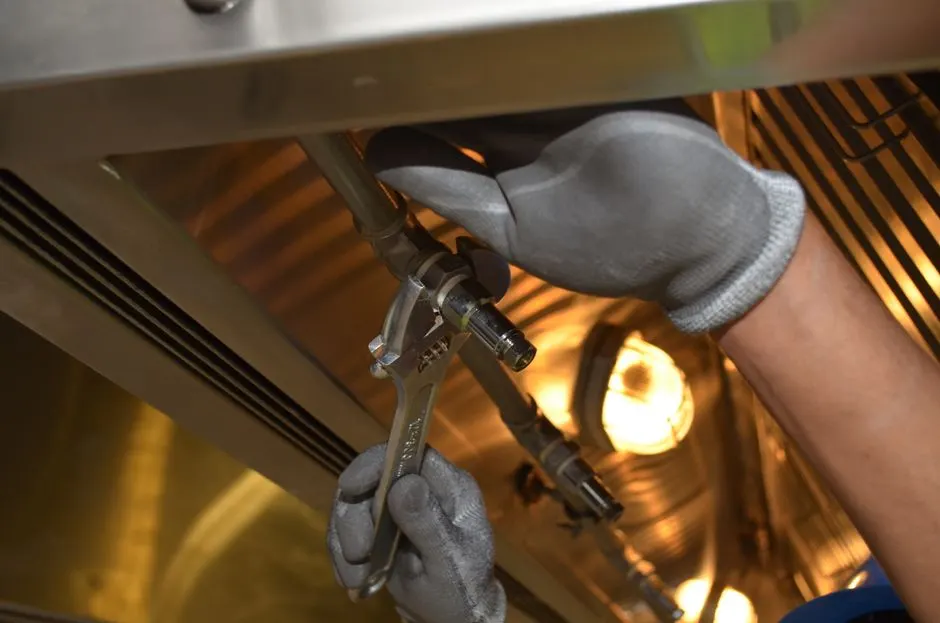
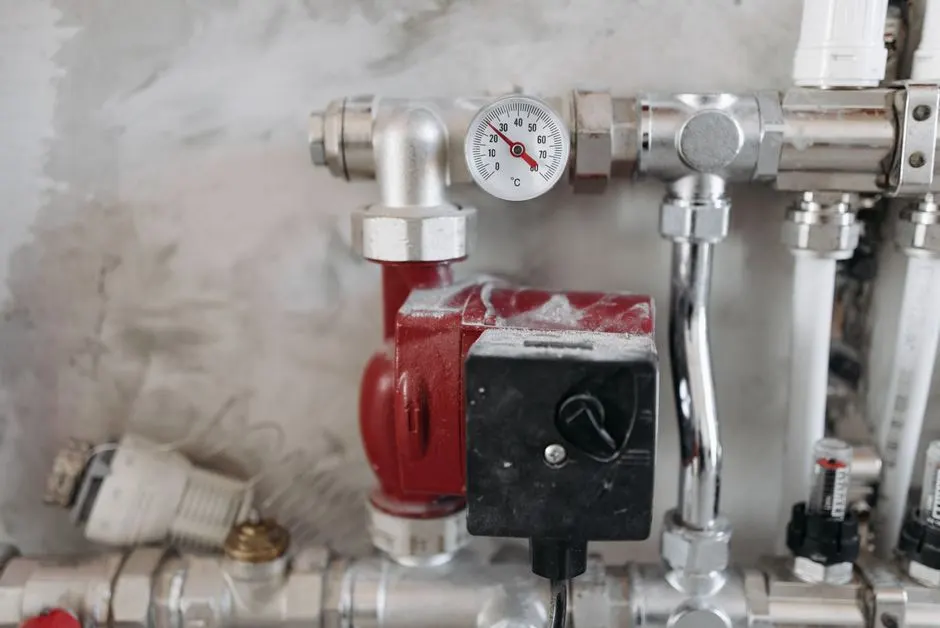
- Basement pipe thaw and repair — We inspect cold corners, utility rooms, and basement runs where a line may be exposed to unheated air. In Erie, we thaw the affected section carefully, check adjacent fittings for damage, and replace any split material before restoring water. We also identify practical insulation improvements without blocking access to shutoffs.
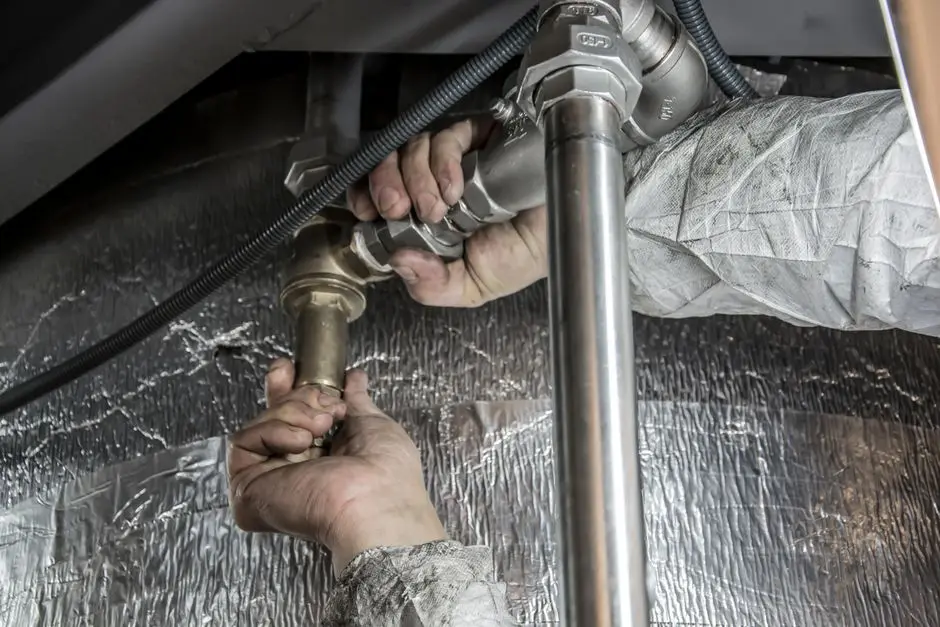
- Kitchen and bathroom line repair — A single fixture losing flow can point to a frozen branch behind a cabinet or inside a wall. We trace the route, narrow the location, and make a targeted repair if thawing reveals a crack. Your Erie home receives a leak check at the repaired connection before the fixture returns to regular use.
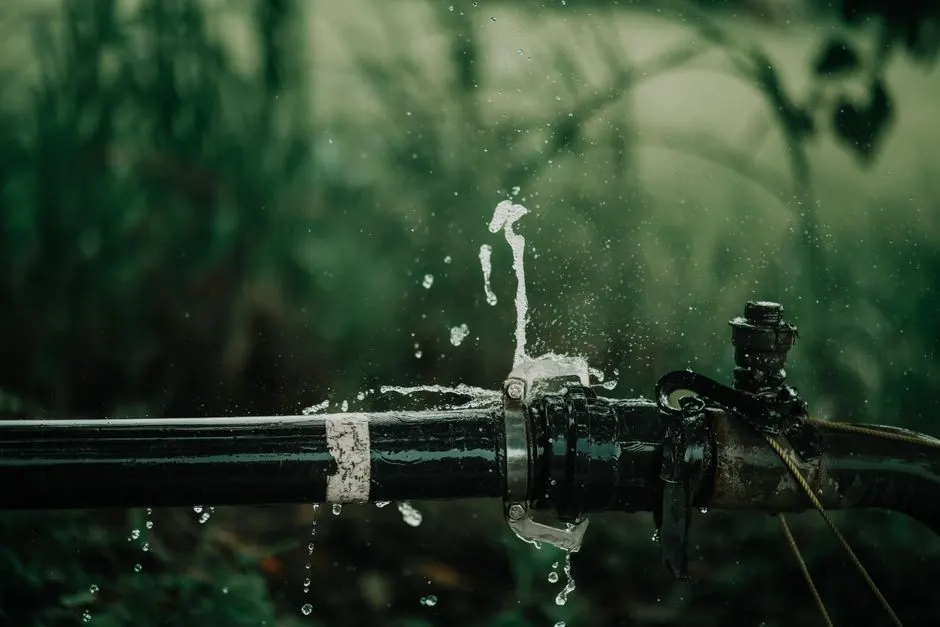
- Hidden leak location and repair — When a wall stain or damp cabinet appears after a cold snap, we look beyond the visible water. We use inspection tools and moisture readings to locate the leak, repair the failed pipe or fitting, and check surrounding surfaces. This keeps the focus on stopping the source rather than masking the symptom.
- Winter line protection planning — After repairing a repeated freeze point in Erie, we review the pipe route, drafts, and insulation condition with you. We can explain where closed-cell foam sleeves or heat-trace cable may suit the installation and keep valves accessible. The goal is to reduce exposure before the next prolonged cold period.