

Residential Frozen Pipe Repair in California
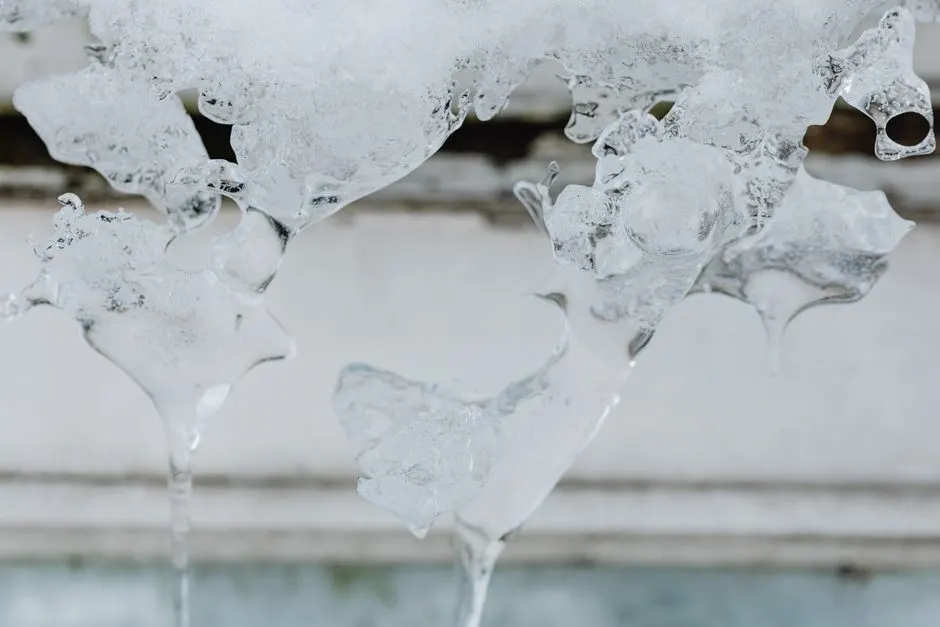
California homes range from older houses with basement plumbing to apartments and student rentals with shared utility spaces. A frozen branch line can shut down one bathroom, while a frozen main can affect the whole property. We ask what still works, where the pipe runs, and whether water is visible before choosing a thaw or repair method. Emergency frozen pipe repair is particularly important when a line has split, because thawing can release water into a basement or finished room. We keep the work focused on restoring safe water service. Our team locates the blockage, thaws the pipe gradually, replaces damaged sections where needed, and tests the line. If you are home during the repair, we explain which shutoff we are using and when water can be turned back on. We also point out exposed pipe runs that deserve protection before another California cold spell.
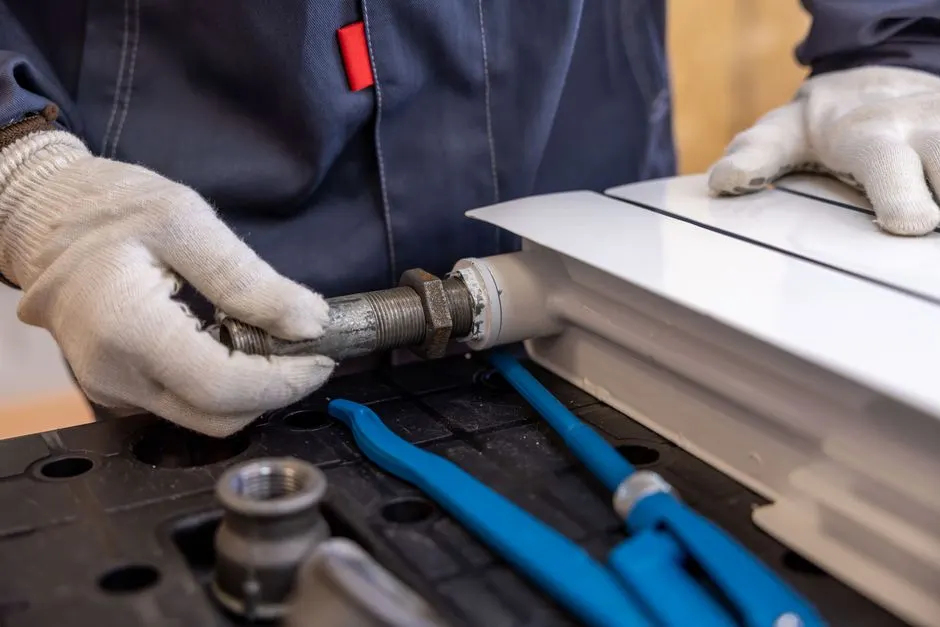
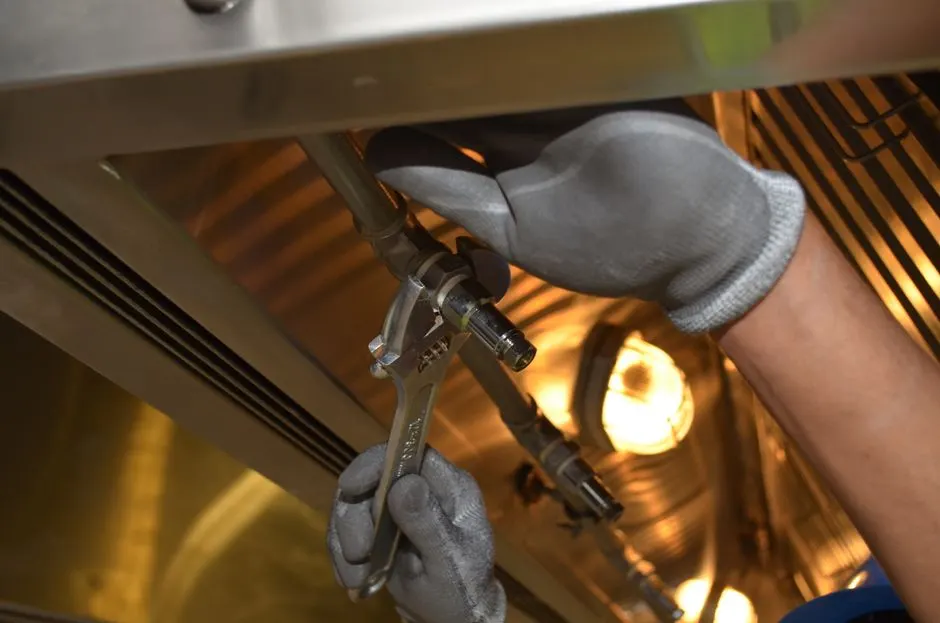
- Home pipe thaw and inspection — We trace the frozen section in your California home, thaw it under control, and inspect the pipe and fittings as water returns. If a crack appears, we isolate the line and repair it before restoring normal use. This service suits a single stopped faucet as well as a broader loss of household water.
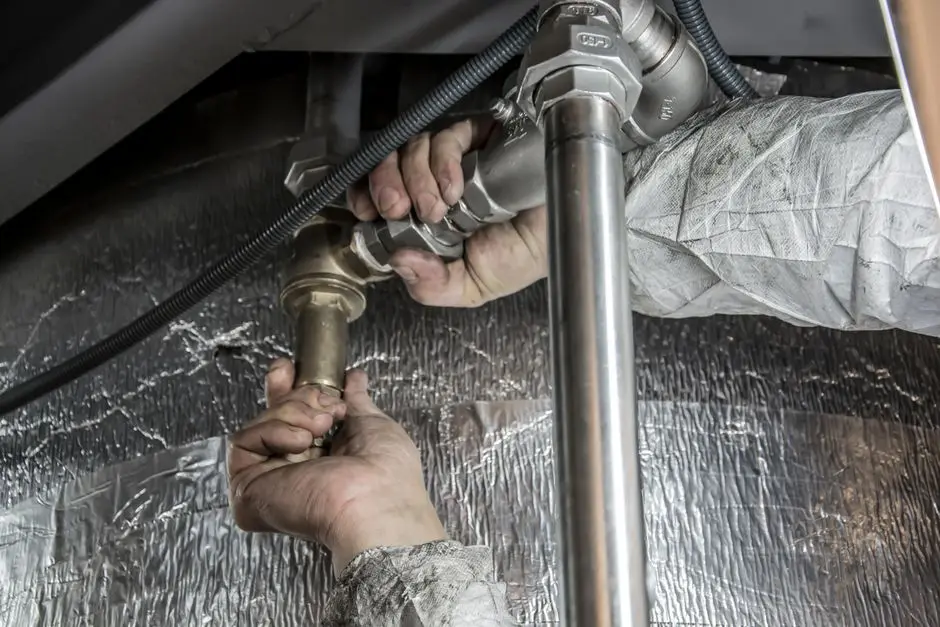
- Basement and crawl-space repair — Basement and crawl-space lines can be hard to reach when storage blocks the route or the pipe sits near a cold wall. We identify the safest access, clear the immediate work area, and check the surrounding surfaces for leaks. California homeowners get a repair based on the actual pipe material and condition.
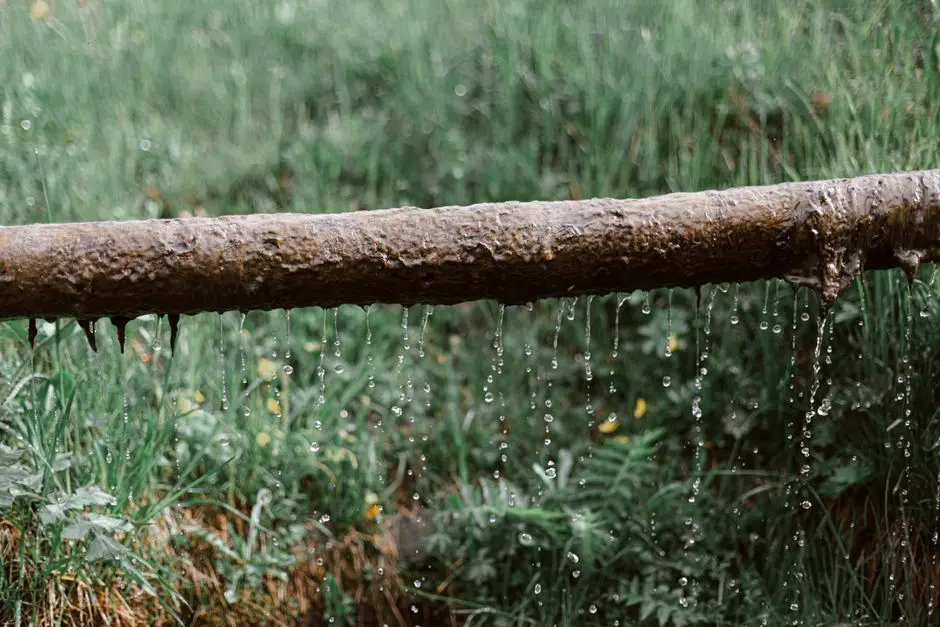
- Burst pipe and leak response — If a frozen pipe bursts, we help stop the water, remove the damaged section, and test the replacement. We also check nearby flooring and walls for moisture after the plumbing repair. In California, acting quickly can reduce the amount of water reaching a finished basement, cabinet, or stored belongings.
- Freeze-prevention inspection — Before winter, we can inspect vulnerable lines in a California home and identify exposed runs, poor access, and areas that lose heat. We discuss appropriate insulation and practical ways to keep the space warm. You leave with clear information about the pipe locations that deserve attention before temperatures drop.