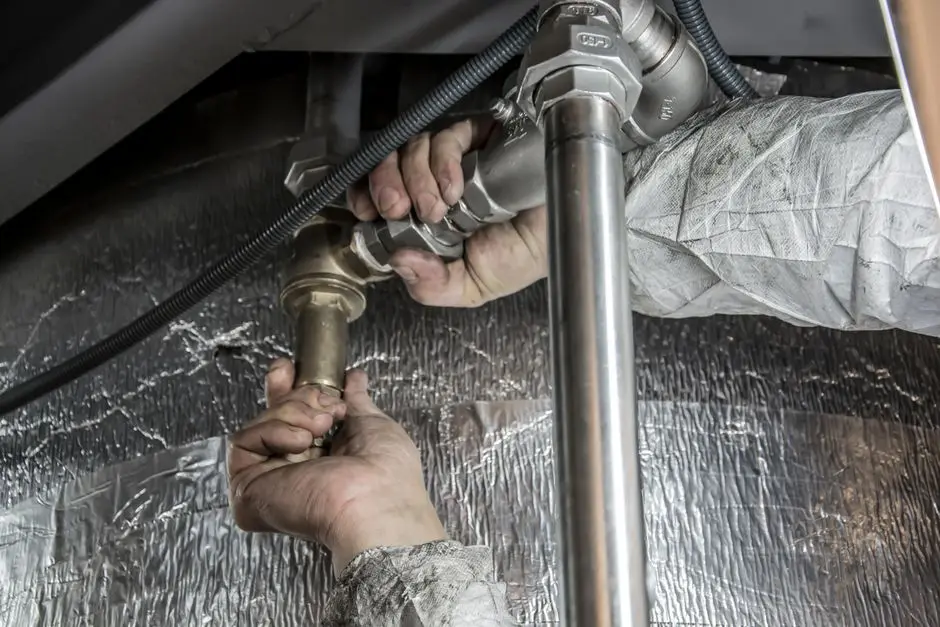
Residential Frozen Pipe Repair for Blue Bell Homes
Blue Bell residential properties range from detached homes with basements and garages to townhomes and apartments with shared or concealed plumbing runs. A frozen faucet can interrupt cooking, bathing, and laundry, while a burst line can damage finished rooms before anyone sees the source. We ask which fixtures stopped, whether the affected wall or room feels cold, and where the nearest shutoff is. Our residential frozen pipe repair focuses on restoring water and preventing a hidden leak from becoming a larger cleanup. We inspect accessible plumbing, thaw the affected section safely, repair damaged pipe or fittings, and test the line. If a freeze keeps returning in the same spot, we explain practical steps for that pipe route rather than offering a generic fix.
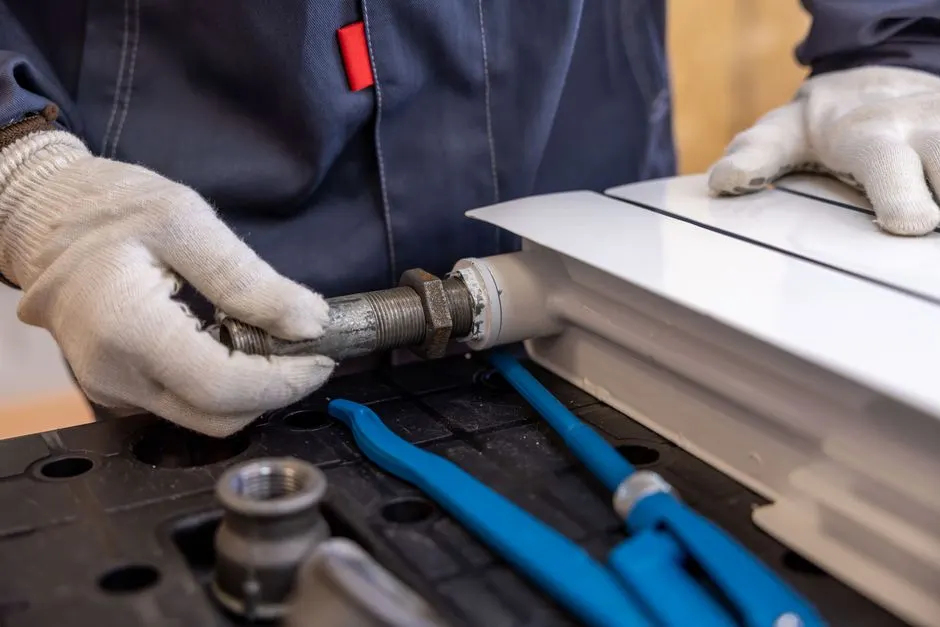
- Home emergency pipe thawing — We respond to frozen water lines in Blue Bell homes, locate the affected section, and thaw it with a controlled method suited to the pipe and access. Afterward, we check the pipe and fittings as water returns. If a crack appears, we repair it and verify the line before your household resumes normal use.
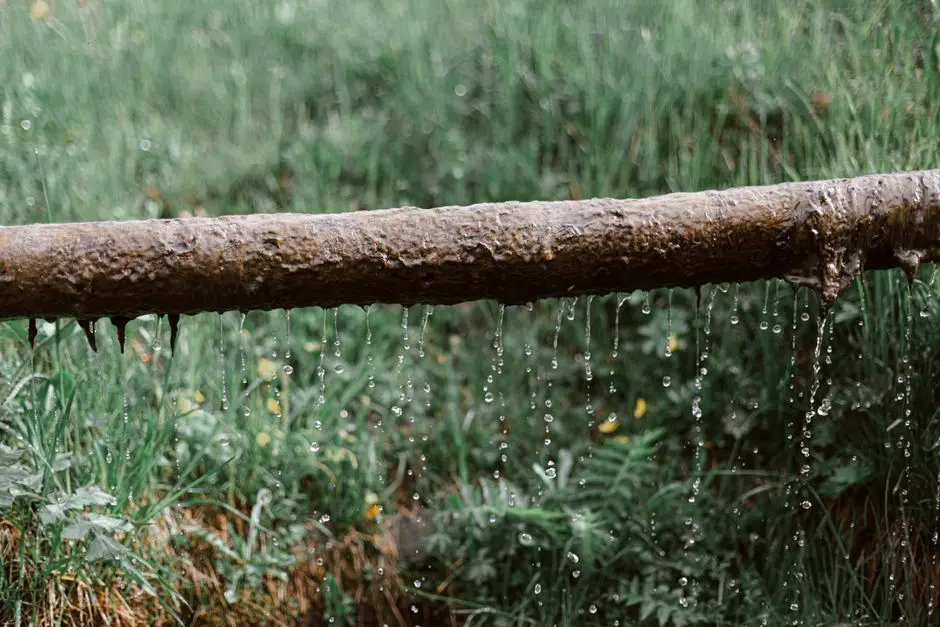
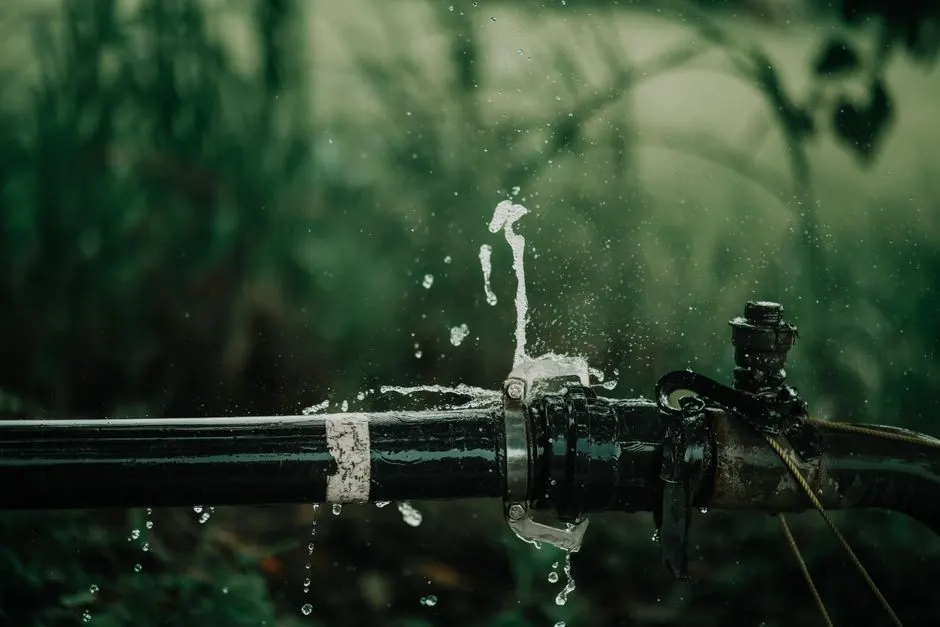
- Residential burst pipe repair — When a pipe splits in a Blue Bell home, we help isolate the water, remove damaged material, and install a compatible repair. We check nearby surfaces for water migration and explain what needs drying. The work focuses on stopping the leak and confirming that the repaired line holds under normal use.
- Hidden leak inspection — A stain in a ceiling or damp basement floor may be the first sign of a frozen-pipe leak. We trace moisture and inspect likely plumbing routes in Blue Bell properties, keeping access focused on the evidence. Once the leak is located, we repair the line and check the connection.
- Repeat-freeze prevention review — If the same pipe freezes each winter, we inspect the location, nearby airflow, and existing insulation. In Blue Bell homes, the vulnerable section may sit in a garage, basement, or exterior wall. We repair current damage first, then explain options such as pipe insulation or suitable heat protection.